Trump Taps Kushner, Witkoff for Iran Talks; Vance Out
President Trump has appointed Jared Kushner and Steve Witkoff to lead U.S. peace talks with Iran, excluding Vice President J.D. Vance due to security concerns. The negotiations aim for Iran to permanently abandon nuclear weapons, though specific U.S. concessions remain undisclosed. China's role in supporting Iran and its influence on the talks were also discussed.

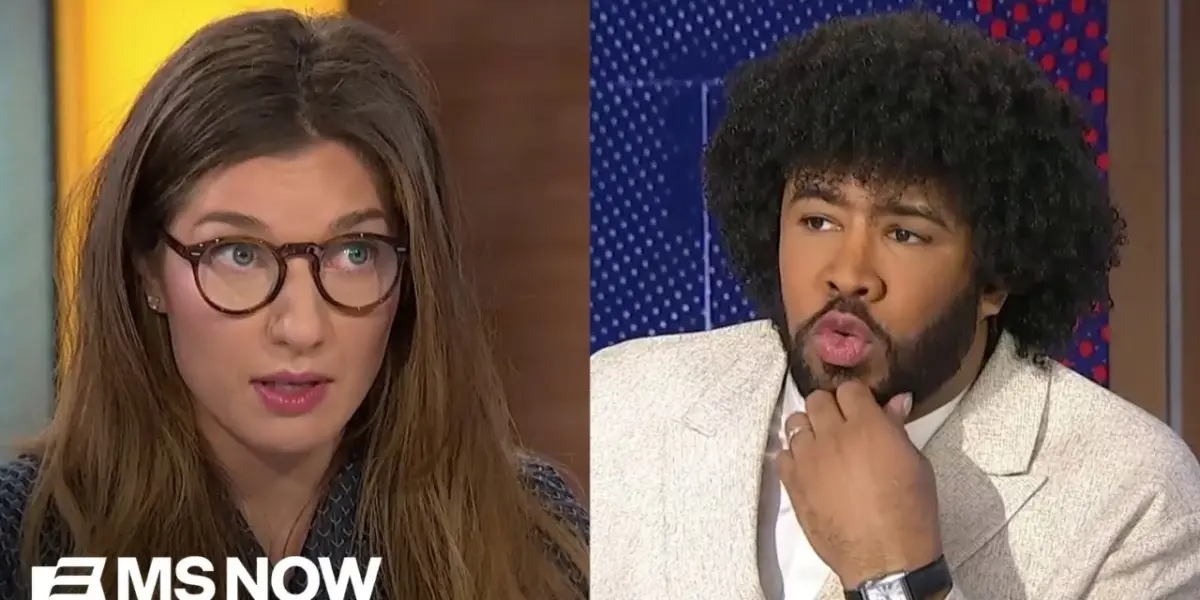
Trump Taps Kushner, Witkoff for Iran Talks; Vance Out
President Trump announced that Jared Kushner and Steve Witkoff will represent the U.S. in upcoming peace talks with Iran, while Vice President J.D. Vance will not attend due to security concerns.
The decision came just hours before the scheduled negotiations, with Trump confirming the change in a phone call with reporter Jackie. The U.S. is seeking an agreement where Iran permanently forswears nuclear weapons.
Vance’s Absence Sparks Questions
The Vice President’s withdrawal from the peace talks has raised eyebrows, especially given his previous high-profile role. Trump stated that security reasons prevented Vance from participating, citing the speed required for such arrangements.
This contrasts with reports from other officials, creating confusion about the administration’s coordination. Vance, who has expressed skepticism about foreign interventions, faces a potentially defining moment in his career regarding his role in this conflict.
Iran’s Nuclear Promises and U.S. Concessions
President Trump reiterated his claim that Iran has agreed to permanently abandon its pursuit of nuclear weapons. This commitment, he stated, is for an indefinite period.
The U.S. had initially proposed a 20-year limit on Iran’s nuclear activities, but Iran countered with a three-year offer. This proposal faced backlash from some U.S. hardliners who want an indefinite suspension of Iran’s nuclear program.
The president now saying that that is what Iran is promising, but when we followed up for some of the specifics about the concessions that the U.S. is making in return, he said he was not going to negotiate with us.
When asked about the concessions the U.S. is prepared to make in return for Iran’s nuclear commitment, President Trump declined to elaborate, stating he would not negotiate through the media. Details regarding the specific terms of any potential agreement remain undisclosed.
China’s Role in the Negotiations
The involvement of China in the peace talks was also a key topic. President Trump revealed he had sent a letter to Chinese President Xi, urging him to halt weapons supplies to Iran.
Reports suggested that China’s military support may have enabled Iran to sustain its involvement in the conflict longer than expected. China has a vested interest in the region, receiving a significant portion of its crude oil through the Strait of Hormuz.
Despite these concerns, Trump indicated that China has been acting favorably in the situation. This statement from the President seemed less confrontational than some of his recent public remarks and social media posts.
Negotiation Strategy and Presidential Tone
Observers noted a less combative tone from President Trump during his recent phone call compared to his usual public statements. He did not mention specific threats or strategies that have appeared in his social media posts. Some speculated whether this shift in demeanor reflects confidence in his negotiating position or a calculated strategy to appear unpredictable.
The President sounded self-assured while discussing the ongoing situation. This confidence was a notable contrast to the often-aggressive rhetoric seen in his public communications. The effectiveness of his public strategy, including threats and a perceived instability, remains a subject of discussion among analysts.
Upcoming Talks and Future Considerations
The second round of peace talks is set to proceed with Jared Kushner and Steve Witkoff leading the U.S. delegation. Vice President Vance’s absence, attributed to security concerns, leaves a significant gap. His potential future presidential aspirations mean his role, or lack thereof, in these high-stakes negotiations will likely be scrutinized.
The outcome of these talks will be closely watched, particularly concerning Iran’s nuclear program and the broader implications for regional stability. The next steps will likely involve further diplomatic engagement and monitoring of Iran’s adherence to any agreed-upon terms.
Source: IMMEDIATE REACTION: Trump tells MS NOW Vance will NOT participate in tomorrow’s Iran peace talks (YouTube)

Related Articles
Global Leaders Shun Trump, Forge New Alliances Abroad
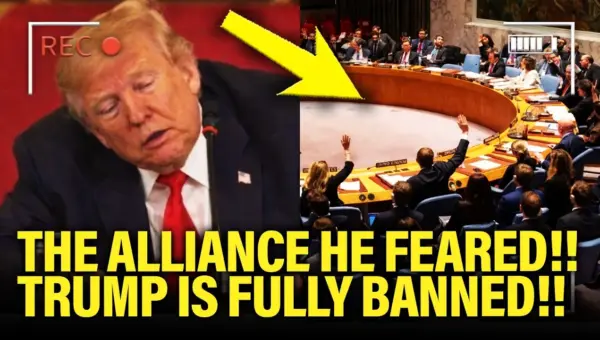
World leaders are increasingly excluding Donald Trump from international conferences, signaling a global pushback against his movement. Nations are exploring new alliances and security frameworks independent of the U.S., driven by concerns over American reliability and the rise of right-wing ideologies.
Trump Taps Vaccine Advocate to Lead CDC, Shifting from Skepticism
President Trump has nominated Dr. Erica Schwartz, a vaccine supporter and former COVID-19 response official, to lead the CDC. This move signals a potential shift away from vaccine skepticism within his political circle. However, experts like Dr. Chris Pernell express cautious optimism, emphasizing the need for vigilance due to ongoing concerns about leadership influenced by anti-science views.

Trump’s Iran Claims Ignite Crisis, Sparking Emergency Talks
Reports detail an emergency meeting convened by Donald Trump following Iran's denial of his claims about a trade deal. Iran has threatened to close the Strait of Hormuz, escalating tensions. Analysis suggests military pressure is unlikely to yield concessions from Iran, potentially leading to further confrontation.