Global Leaders Shun Trump, Forge New Alliances Abroad
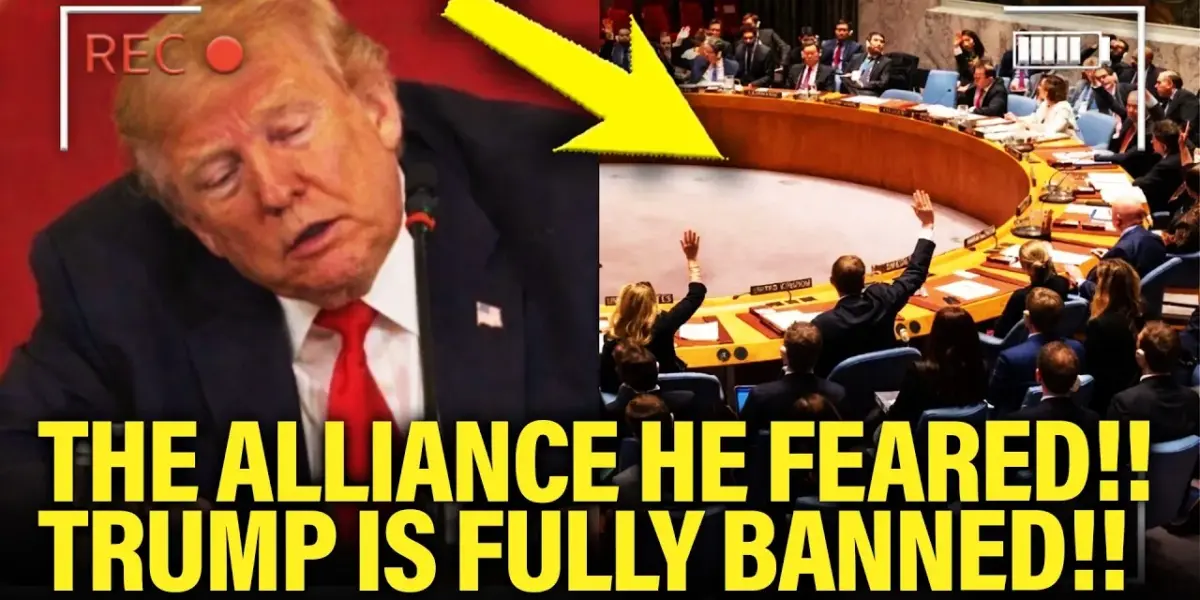
World leaders are increasingly excluding Donald Trump from international conferences, signaling a global pushback against his movement. Nations are exploring new alliances and security frameworks independent of the U.S., driven by concerns over American reliability and the rise of right-wing ideologies.

Global Leaders Shun Trump, Forge New Alliances Abroad
World leaders are increasingly excluding Donald Trump and his political movement from major international gatherings. A recent pro-democracy conference in Barcelona, which brought together global leaders, notably did not invite Trump. Prominent figures like Brazil’s President Lula and Spain’s Prime Minister Sanchez spoke at the event, with Sanchez calling for a united front against what he termed “right-wing MAGA BS” and advocating for pro-democracy ideals.
Meanwhile, a separate conference in Turkey highlighted concerns among Gulf states regarding the United States’ security commitments in the region. Leaders expressed a need for stronger, independent alliances among themselves, citing a perceived weakening of the U.S. security umbrella. They also voiced criticism of actions by figures like Jared Kushner and Richard Witkoff, suggesting a growing distrust in American leadership.
Canada’s Shifting Stance
Canada, often seen as a bridge between transatlantic and trans-Pacific partnerships, is also navigating a changing geopolitical landscape. Following recent election wins, Prime Minister Justin Trudeau’s Liberal Party now holds a majority government. Recent polling suggests a significant portion of the Canadian population is interested in closer ties with the European Union, with some even favoring full membership.
This sentiment comes as European nations discuss security frameworks that might operate independently of the United States, sometimes referred to as a “European NATO” or a “NATO without Trump.” The idea of a new global security arrangement that excludes the U.S. is being explored, with countries like Canada and Australia potentially playing key roles.
Canada Reassesses Military Ties
Beyond political and economic ties, Canada is also re-evaluating its military relationships. There’s a growing interest among Canadians in joining the military, a shift from previous years where military service was less emphasized. This renewed interest comes after a period where Canada had scaled back joint military exercises with the United States, including the cancellation of special forces training missions in Africa.
Canada is reviewing its purchase of F-35 fighter jets from the U.S., considering alternatives like Swedish aircraft and prioritizing domestic manufacturing. This reflects a broader trend of nations seeking greater autonomy in their defense and security strategies, partly in response to perceived unreliability in U.S. military equipment supply and support, especially under the previous Trump administration.
Critiques of U.S. Foreign Policy
The transcript highlights criticisms of U.S. foreign policy, particularly concerning its impact on international trust and alliances. Examples include the removal of missile defense systems from Asia and the alleged diversion of funds intended for other nations’ weapons purchases for U.S. projects. These actions, attributed to the Trump administration, are seen as damaging to confidence in U.S. military partnerships.
Leaders at the Barcelona conference voiced strong opinions on global issues. Spain’s Prime Minister Sanchez asserted that the “far right is fading” and is resorting to shouting and lies because its time is ending. He condemned exploitation, discrimination, and support for war, directly criticizing what he sees as the destructive impact of right-wing movements and policies.
Latin America and the Middle East Speak Out
Brazil’s President Lula da Silva spoke forcefully against foreign interference in elections and the spreading of lies to destabilize nations. He criticized the stereotypical portrayals of regions like Latin America as drug-ridden or the Arab world as terrorist-infested, suggesting these narratives are used to justify domination. Lula also questioned the pretexts for major military interventions, citing the Iraq War and the situation in Libya.
In Turkey, Jordan’s Deputy Prime Minister Ayman Safadi emphasized the need for Middle Eastern nations to develop their own institutions for defense and security. He highlighted the ongoing Israeli occupation of Palestinian land as a major obstacle to peace and regional stability, warning that expansionist Israeli policies threaten the entire region.
The Palestinian Issue Remains Central
Ahmed Aboul Gheit, Secretary General of the League of Arab States, echoed these sentiments, criticizing efforts to normalize relations with Israel while sidelining the Palestinian issue. He argued that any lasting peace requires a just settlement for the Palestinian people, based on their right to self-determination and statehood. The idea of expelling Palestinians for the sake of newcomers was strongly rejected.
The discussions at these conferences suggest a significant global realignment is underway. Nations are seeking more independent and cooperative frameworks, partly driven by a perceived unreliability of U.S. leadership and a desire to counter the spread of authoritarian and right-wing ideologies internationally.
Why This Matters
The exclusion of Trump from international forums and the explicit calls for alliances independent of the U.S. signal a potential shift in global power dynamics. This suggests that countries are no longer willing to solely rely on the United States for security and diplomatic leadership, especially if they perceive that leadership to be unstable or detrimental to global cooperation.
The concerns raised by leaders in the Middle East and Latin America point to a growing dissatisfaction with U.S. foreign policy and its historical interventions. The emphasis on regional self-reliance and the critique of narratives used to justify conflict indicate a desire for a more multipolar world order where regional actors have greater agency.
Implications and Future Outlook
This trend could lead to the formation of new regional blocs and security arrangements that operate with less U.S. influence. It also suggests a growing international consensus against the rise of right-wing populist movements, which are seen by many as destabilizing forces. The focus on pro-democracy conferences and the explicit rejection of “MAGA BS” indicate a concerted effort to counter these ideologies.
The future may see a more fragmented global landscape, with countries forming alliances based on shared values and regional interests rather than solely on historical partnerships. The effectiveness of these new alliances will depend on their ability to address complex global challenges, from security threats to economic stability, without relying on traditional U.S.-led structures.
Historical Context
Historically, international relations have often been shaped by shifting alliances and power vacuums. The post-World War II era saw the rise of U.S. leadership through institutions like NATO and the United Nations. However, periods of U.S. isolationism or perceived unilateralism have historically prompted other nations to seek alternative arrangements, as seen during the Cold War with the Non-Aligned Movement.
The current discussions echo these historical patterns, with nations actively seeking to build collective security and economic frameworks that ensure their interests are protected, regardless of the direction of U.S. foreign policy. This proactive approach highlights a desire for greater stability and predictability in international affairs.
The trend of nations building their own security and economic partnerships, as seen in the Middle East and the discussions around a potential “European NATO,” suggests a move towards a more decentralized global order. This could empower regional actors and lead to a more diverse set of international collaborations in the coming years.
Source: FURIOUS World Leaders FORM ALLIANCE Trump FEARED MOST!!! (YouTube)

Related Articles
Trump Taps Vaccine Advocate to Lead CDC, Shifting from Skepticism
President Trump has nominated Dr. Erica Schwartz, a vaccine supporter and former COVID-19 response official, to lead the CDC. This move signals a potential shift away from vaccine skepticism within his political circle. However, experts like Dr. Chris Pernell express cautious optimism, emphasizing the need for vigilance due to ongoing concerns about leadership influenced by anti-science views.

Iran Deal: A Risky Gambit or a Diplomatic Triumph?
President Trump claimed a major breakthrough with Iran, but conflicting reports and denials from Tehran cast doubt on the deal's finality. Experts warn of Iran's complex negotiating tactics, stressing the need for verifiable actions over mere words. The situation's outcome carries significant implications for regional stability and U.S. foreign policy.

Trump’s Iran Claims Ignite Crisis, Sparking Emergency Talks
Reports detail an emergency meeting convened by Donald Trump following Iran's denial of his claims about a trade deal. Iran has threatened to close the Strait of Hormuz, escalating tensions. Analysis suggests military pressure is unlikely to yield concessions from Iran, potentially leading to further confrontation.