Iran Deal: A Risky Gambit or a Diplomatic Triumph?
President Trump claimed a major breakthrough with Iran, but conflicting reports and denials from Tehran cast doubt on the deal's finality. Experts warn of Iran's complex negotiating tactics, stressing the need for verifiable actions over mere words. The situation's outcome carries significant implications for regional stability and U.S. foreign policy.

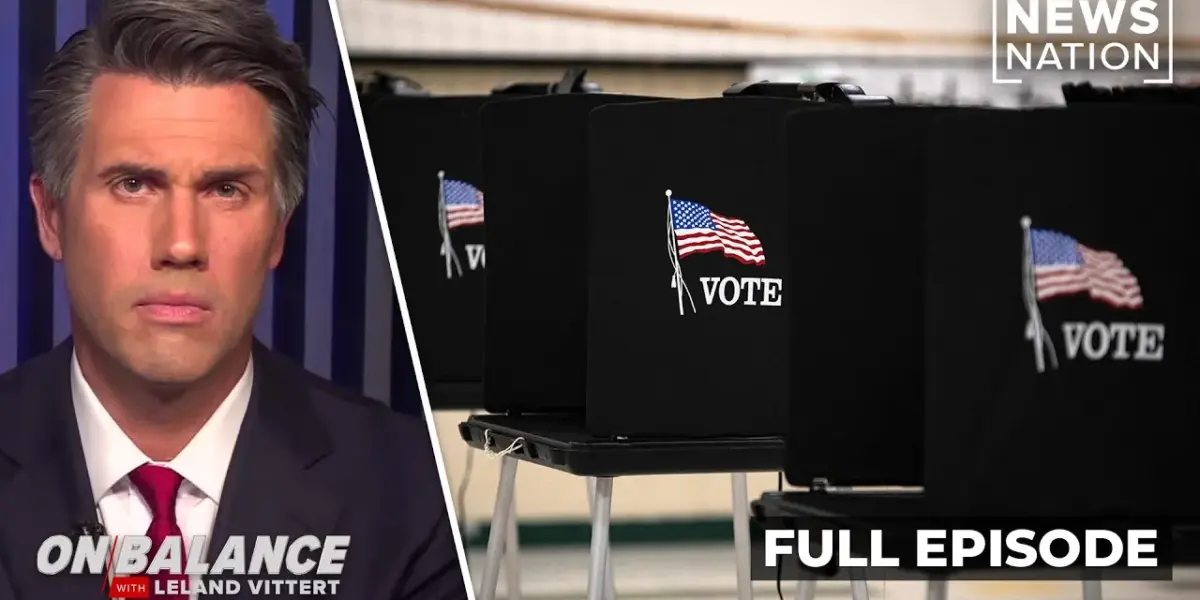
Iran Deal: A Risky Gambit or a Diplomatic Triumph?
President Trump announced what seemed like a major breakthrough with Iran, claiming a deal had been struck. However, the situation quickly became unclear, with Iran denying key points of the agreement. This left many wondering if the president was overstating his success or if a genuine path forward was emerging.
Trump’s initial statements painted a picture of Iran agreeing to never close the Strait of Hormuz again. He also claimed the U.S. would receive all nuclear material and that Iran would stop funding proxy forces. He even declared that Iran had agreed to “everything.” These bold claims sent markets soaring and created a sense of optimism.
But the reality seemed far more complicated. Shortly after the markets closed, Trump himself admitted the deal wasn’t finalized and that it was unclear what Iran had actually agreed to. He noted that more negotiations were scheduled for the following week, adding a layer of uncertainty to the situation.
Confusion and Denials Emerge
The Iranian government quickly pushed back, denying critical parts of the reported agreement. Specifically, an Iranian spokesperson stated that Iran’s enriched uranium would not be transferred anywhere. This direct contradiction to Trump’s claims fueled doubts about the true state of the negotiations.
Adding to the confusion, while Trump celebrated Iran announcing the Strait of Hormuz was fully open, ship tracking data showed vessels heading towards the strait then turning around. This suggested that the situation on the ground did not match the president’s optimistic pronouncements.
Historical Context: Iran’s Negotiating Tactics
Experts on the program pointed out that Iran has a history of using complex negotiation tactics. They are known for saying what others want to hear while pursuing their own interests. This historical pattern suggests that Trump needed to demand concrete actions, not just words, to ensure any agreement was truly honored.
The analogy was made to entering a Persian rug store and declaring you’ll get every rug for $10. The initial invitation to look at the rugs is just the start; the real negotiation happens when discussing the actual price and terms. Similarly, Trump’s announcement was seen as the beginning of a tough negotiation, not the end result.
Why This Matters: Trust and Verification
The core issue revolves around trust and verification. Past agreements with Iran have shown that promises made are not always promises kept. For any deal to be successful, there needs to be a clear, verifiable path to ensure Iran meets its commitments.
Retired Navy Captain Brent Sadler emphasized the need for sustained U.S. military strength and engagement. He stated that Iran’s military capabilities, including its navy and air force, have been significantly degraded. This military reality provides the U.S. with leverage, but it must be maintained to ensure Iran meets minimum standards: peaceful coexistence with neighbors, not threatening American lives, keeping straits open, and abandoning nuclear weapons.
Economic Realities and Diplomatic Leverage
The economic situation in Iran is dire, with high inflation, unemployment, and damage to its industries. This economic weakness, combined with sanctions and the prospect of blockades, puts Iran in a difficult position. They are unlikely to give up valuable assets like their nuclear program for free.
Mark Caputo, an Axios White House correspondent, explained that while Trump stated no money would exchange hands, Iran owns its frozen funds. Releasing these funds isn’t an exchange but returning what already belongs to them. However, Iran will likely seek concessions, possibly including the return of their money, in exchange for nuclear concessions.
What to Watch For: Iran’s Actions
To gauge Iran’s sincerity, observers should look for specific actions. This includes whether the Islamic Revolutionary Guard Corps (IRGC) challenges shipping or launches drones, or if Iran launches drone or missile attacks on its neighbors. The absence of such provocations for an extended period would be a positive sign.
Two main reasons could be driving Iran’s current approach: either the regime lacks the resources for further conflict, or they genuinely fear their own population and wish to de-escalate. The latter, a fear of internal unrest, could be a powerful motivator for peace.
Democratic Response and Midterm Concerns
On the political front, Democrats expressed skepticism about Trump’s claims, suggesting he might be misrepresenting the situation. Congressman Adam Smith noted that while a successful deal would be positive, available evidence suggested Iran had not agreed to the terms Trump described.
The discussion also touched on the upcoming midterm elections. Republicans were reportedly worried that the situation with Iran could hurt their chances. President Trump attempted to frame the election as a referendum on Democrats, portraying them as weak and dangerous.
However, political analysts suggested that midterms are typically a referendum on the party in power. With the economy not fully cooperating and the Iran situation unclear, Trump faced challenges in shifting the focus away from his own performance.
Future Outlook: Uncertainty Remains
The path forward remains uncertain. While a diplomatic agreement with Iran could be a significant achievement, the lack of clear communication and Iran’s history of evasion create substantial hurdles. The coming weeks of negotiation will be critical in determining whether this situation leads to a lasting peace or further instability.
The next round of critical talks with Iran is scheduled for the following week, with President Trump expected to spend the weekend strategizing.
Source: Iran deal far from done; GOP midterm worries | On Balance Full Show 4/17 (YouTube)

Related Articles
Global Leaders Shun Trump, Forge New Alliances Abroad
World leaders are increasingly excluding Donald Trump from international conferences, signaling a global pushback against his movement. Nations are exploring new alliances and security frameworks independent of the U.S., driven by concerns over American reliability and the rise of right-wing ideologies.
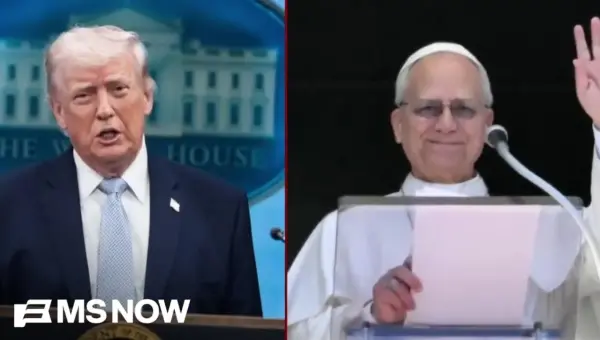
Trump’s Divine Claims Fuel Feud with Pope Francis
Former President Donald Trump has escalated his feud with Pope Francis by sharing an AI image of himself as a Jesus-like figure and planning a marathon Bible reading. Analysts suggest his actions are fueled by those around him who encourage him to see himself as divinely appointed, a sentiment echoed by some political allies.
GOP Rebels Defy Trump on Surveillance Bill
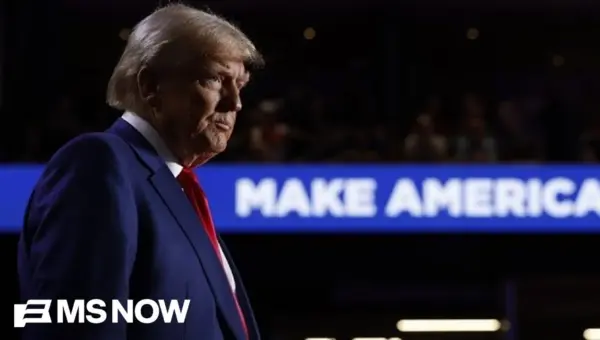
Twenty Republican lawmakers defied President Trump this week, voting against a renewal of the Foreign Intelligence Surveillance Act (FISA). The dissent forced a short-term extension of the law and signals growing divisions within the GOP, raising questions about Trump's influence. This rebellion highlights internal power struggles and principled stands on surveillance within the party.