Iran Deal Sparks Market Surge Amid Diplomatic Maneuvers
Market surges as Iran opens the Strait of Hormuz amid complex diplomatic maneuvers with the U.S. Meanwhile, New York City faces debate over a new tax on luxury properties, and Dr. Oz discusses efforts to combat widespread healthcare fraud.

Iran Deal Sparks Market Surge Amid Diplomatic Maneuvers
In a significant development ahead of peace talks, President Trump and Iranian officials announced that the Strait of Hormuz is now open to commercial ships. This news sent markets soaring, with the S&P 500 and Nasdaq reaching new highs and the Dow Jones Industrial Average jumping over 850 points. Conversely, oil prices dropped more than 9% following the announcement, reflecting the market’s positive reaction to increased stability in the vital waterway.
Despite the opening of the strait, President Trump made it clear that the U.S. naval blockade on Iranian ships will remain in full effect until a comprehensive deal is reached. He suggested that Iran has agreed to all terms, including ceasing uranium enrichment, a long-standing point of contention. Reports also indicate the U.S. is considering releasing $20 billion in frozen Iranian funds in exchange for Iran abandoning its uranium enrichment program, though Trump clarified no money would change hands directly.
Expert Analysis on the Iran Deal
Foreign policy experts offered insights into the complex negotiations. Lisa Devari, editor-in-chief of The Foreign Desk, described President Trump’s approach as a “strategy of ambiguity,” keeping adversaries guessing while maintaining pressure. She emphasized that the opening of Hormuz was a direct result of the economic and military pressure on Iran, stating, “The only reason we got them to open up Hormuz is because the boot is still on the neck of the regime and they know it.”
Counterterrorism and national security expert Mahek emphasized the critical nature of the upcoming talks, calling the next 120 hours “the most significant hours in our lifetime.” She stressed the need for a deal that permanently prevents Iran from obtaining nuclear weapons, expressing distrust in future administrations to uphold such an agreement. Mahek warned that if Iran falters, President Trump’s only remaining option would be to “take out the strait to make sure that cargo no longer exists.
Take out the economic lifeline. Finish the job.”
Historical Context and the JCPOA
Devari also reflected on the Joint Comprehensive Plan of Action (JCPOA), the Iran nuclear deal from the previous administration. She recalled candidate Trump’s promise to undo what he called the “biggest foreign policy mistake of our lifetime,” which she believes he has not forgotten. The concerns raised about the JCPOA included the financial resources it provided to the regime, the continued spinning of centrifuges, and the suppression of internal dissent.
She argued that any lifeline to the current Iranian regime is dangerous, as its very existence is tied to its pursuit of deadly weapons. Devari stated, “You’re not able to get reforms or concessions from them,” suggesting that diplomatic talk is a way forward but that Trump understands the unique, generational opportunity to address the threat posed by Iran.
Geopolitical Implications and Western Allies
The discussion also touched upon the role of Western allies. David Touuri, a former State Department official, addressed the meeting of leaders from the UK, France, Germany, and Italy in Paris.
He suggested these meetings were planned before the surprising announcement from Iran about opening the Strait of Hormuz and were intended to find ways to help. Touuri noted President Trump’s criticism of NATO for not doing more but also pointed out that Trump did not consult NATO before initiating military action and did not work to convince allies of the necessity of the war.
Touuri acknowledged that European allies have reasons to complain about Trump’s policies, citing his cuts to assistance for Ukraine as an example. He also mentioned that European countries were concerned about some of Trump’s rhetoric, such as his statement about wanting to “destroy civilization,” which made them hesitant to be associated with his actions. Nazi Mouan, an adjunct fellow at the Middle East Institute, offered a different perspective, emphasizing President Trump’s long-standing concern for the Iranian people, dating back to his real estate dealings in New York City.
New York City’s Tax Plan and Medicaid Fraud
The conversation shifted to domestic issues, focusing on New York City Mayor Eric Adams’s new tax plan. Adams announced an annual fee on luxury properties worth more than $5 million, which critics have labeled as “class warfare.” New York City Councilwoman Vicky Paladino and New York Apartment Association CEO Kenny Bergos expressed strong opposition to the plan.
Paladino criticized the mayor for publicly shaming property owners, comparing his tactics to those used in Russia, Cuba, and China. She warned that such policies would drive away job creators and businesses, ultimately forcing the city to tax the middle and working classes.
Bergos highlighted that the proposed tax would only generate about $500 million, falling far short of the city’s budget gap. He explained that if this gap isn’t closed, property taxes could rise by 9.5%, disproportionately affecting renters who, through their landlords, are the largest payers of property taxes in the city.
The discussion also covered rampant healthcare fraud, with Dr. Mehmet Oz providing an update on efforts to combat fraud within Medicare and Medicaid. Dr. Oz explained how fraudsters exploited the system during COVID-19, leading to significant theft of federal dollars. He noted that some states might view these services as a “feature of the system” and a job creation program, pointing to the rise of personal care service providers in New York.
Dr. Oz stated that the scale of fraud is immense, estimating it at $100 billion annually, which could significantly extend the life of the Medicare trust fund. He countered the argument that rooting out fraud cuts essential services, arguing that it preserves the program for those who genuinely need it. He cited examples in Minnesota, where a budget for autism services ballooned due to manufactured needs, and in California, where payments to 450 hospices were stopped due to suspected fraud, with no complaints from those affected.
Why This Matters
The developments in Iran highlight the delicate balance of international diplomacy and economic pressure. The market’s reaction highlights the global economy’s sensitivity to stability in critical trade routes like the Strait of Hormuz. The ongoing negotiations with Iran, particularly concerning its nuclear program, have profound implications for regional security and global non-proliferation efforts.
Domestically, New York City’s tax policies and the fight against healthcare fraud reveal deeper challenges. The debate over taxing the wealthy versus its impact on job creation and the broader economy is a recurring theme in urban governance. Simultaneously, the large-scale fraud within Medicare and Medicaid poses a significant threat to the sustainability of essential social programs, impacting millions of Americans who rely on these services.
Future Outlook
The future of the Iran deal remains uncertain, with both sides engaged in high-stakes negotiations. The success of President Trump’s strategy will depend on Iran’s willingness to adhere to its commitments and the long-term implications of the pressure campaign. The actions taken in the coming weeks will shape regional stability and global energy markets.
In New York City, the long-term effects of Mayor Adams’s tax policies will be closely watched. The city’s ability to balance its budget while retaining businesses and residents will be a key indicator of its economic health. The ongoing efforts to combat Medicaid and Medicare fraud are crucial for the solvency of these programs and ensuring that taxpayer money is used effectively to provide care for those in need, with continued vigilance against those who exploit vulnerable systems.
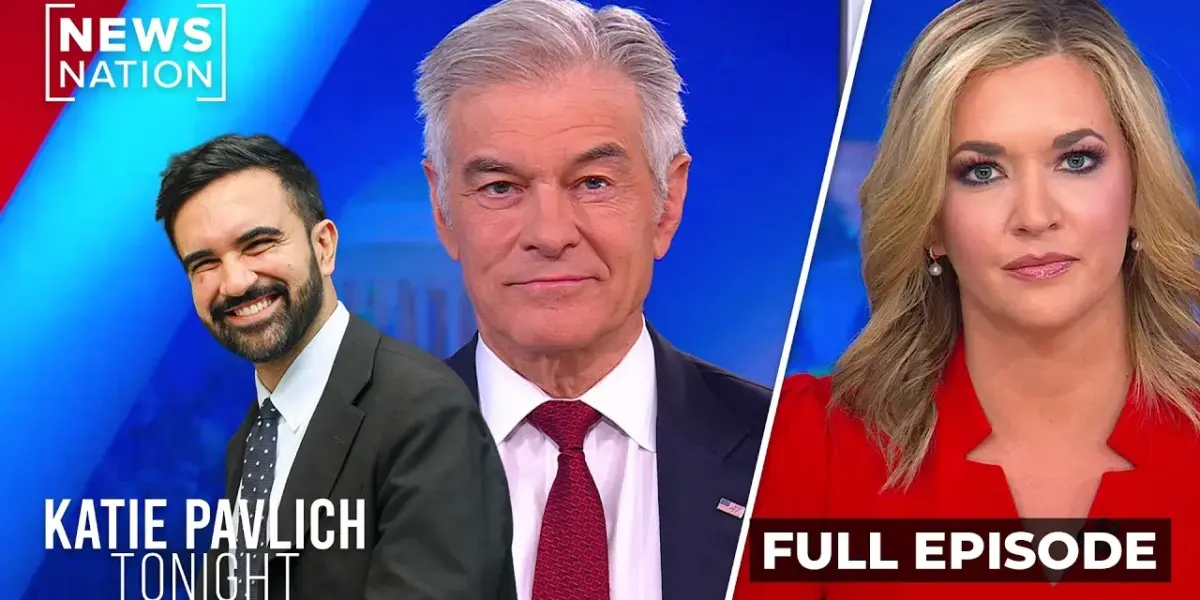
Source: Dr. Oz on fighting medicaid fraud; Mamdani’s new tax plan | Katie Pavlich Tonight Full Show 4/17 (YouTube)

Related Articles

Strait of Hormuz Reopens, Easing Global Oil Fears
The Strait of Hormuz has reopened, potentially easing global economic pressures and lowering oil prices. Meanwhile, singer D4vd has been arrested on suspicion of murder, with new details emerging about the case. A broader investigation is underway into the suspicious deaths and disappearances of 11 scientists involved in sensitive US research.

Iran Deal: A Risky Gambit or a Diplomatic Triumph?
President Trump claimed a major breakthrough with Iran, but conflicting reports and denials from Tehran cast doubt on the deal's finality. Experts warn of Iran's complex negotiating tactics, stressing the need for verifiable actions over mere words. The situation's outcome carries significant implications for regional stability and U.S. foreign policy.

Trump’s Iran Claims Ignite Crisis, Sparking Emergency Talks
Reports detail an emergency meeting convened by Donald Trump following Iran's denial of his claims about a trade deal. Iran has threatened to close the Strait of Hormuz, escalating tensions. Analysis suggests military pressure is unlikely to yield concessions from Iran, potentially leading to further confrontation.