Robot Smashes Half Marathon Record, Outpacing Humans
A humanoid robot has dramatically broken the human record for completing a half marathon, finishing over six minutes faster than the previous best. This achievement underscores the rapid advancements in robotics, particularly in China, and signals a new era of human-robot capabilities.

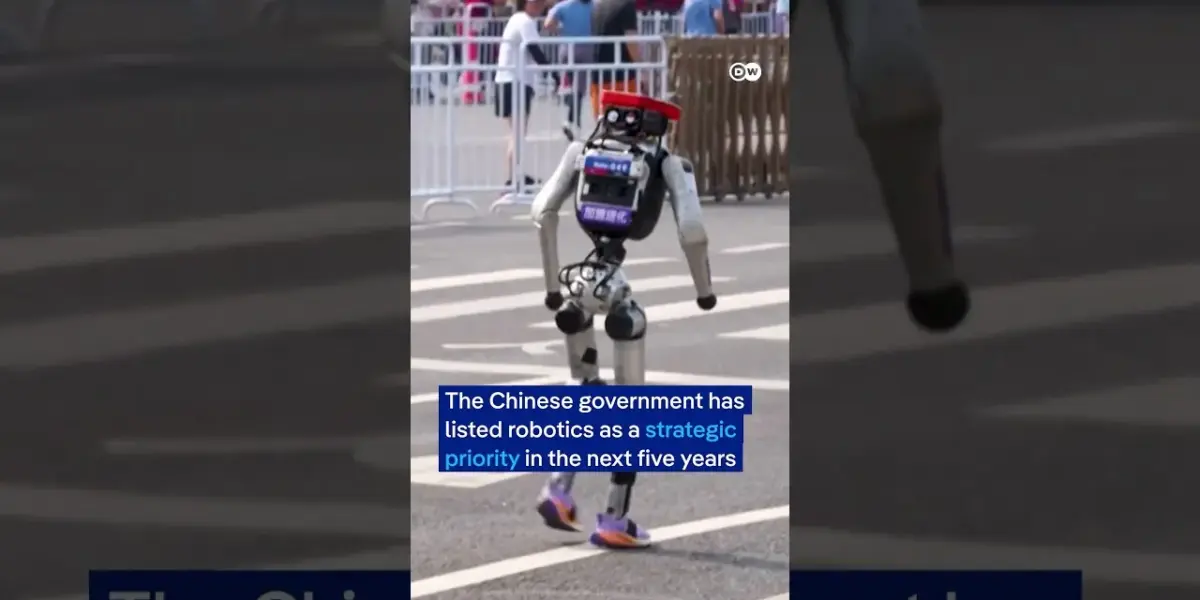
Robot Shatters Human Half Marathon Record
A remarkable feat of engineering has unfolded as a humanoid robot completed a half marathon in a time that significantly surpasses the fastest human performance. Just one year after struggling to keep pace with human runners, this advanced robot crossed the finish line more than six minutes ahead of the previous human record. The event highlights the rapid progress in robotics and artificial intelligence, showcasing how quickly machines are advancing in areas once thought to be exclusively human domains.
The robot, developed with cutting-edge technology, ran the 13.1-mile (21.1 kilometer) course with impressive speed and endurance. While specific details about the robot’s design and the exact location of the run were not provided in the initial report, its performance is a clear indicator of the accelerating pace of robotic development. This achievement raises intriguing questions about the future of human-robot interaction and competition in various fields.
Robotics Industry Sees Rapid Advancements
This breakthrough is part of a broader trend of rapid advancements within the global robotics industry. Companies and research institutions worldwide are investing heavily in developing more sophisticated robots capable of complex tasks. These robots are moving beyond industrial assembly lines into areas like healthcare, logistics, and even athletic performance, as demonstrated by this half marathon run.
The development of humanoid robots, in particular, has seen significant leaps forward. These machines are designed to mimic human form and movement, allowing them to operate in environments built for people. Their increasing agility, processing power, and energy efficiency are key factors driving their expanding capabilities and applications across diverse sectors.
Implications for Future Competition and Collaboration
The robot’s record-breaking run prompts consideration of how humans and robots might coexist and compete in the future. While this event is a demonstration of technological prowess, it also sparks discussions about the potential impact on human athletes and the definition of athletic achievement. It raises questions about whether such competitions will become more common and what rules might govern them.
Beyond competition, the advancements shown by this robot have profound implications for collaboration. As robots become more capable, they can assist humans in demanding tasks, improve efficiency, and even enhance safety in hazardous environments. The focus is shifting towards how humans and robots can work together to achieve greater outcomes.
The Drive Towards Advanced Automation
China, a major player in the global robotics market, is at the forefront of many of these advancements. The nation’s commitment to technological innovation and manufacturing prowess is evident in the development of sophisticated machines like the one that ran the half marathon. This focus on automation is driven by a desire to increase productivity, address labor shortages, and maintain a competitive edge in the global economy.
The speed at which these technologies are evolving suggests that we will see even more impressive robotic capabilities in the near future. The current achievement, while striking, may soon be surpassed as research and development continue to push the boundaries of what is possible. The ongoing race to innovate in robotics promises exciting, and perhaps surprising, developments ahead.
Looking Ahead: The Next Steps in Robotics
The successful completion of the half marathon by a robot marks a significant moment, but it is just one step in a much larger journey. Researchers will undoubtedly analyze the data from this run to further refine the robot’s performance, focusing on aspects like energy management and stride efficiency for even longer distances. Continued investment in AI and materials science will likely lead to robots that are lighter, faster, and more durable.
The next phase of development will likely involve integrating these advanced robots into more practical applications, whether that means assisting in search and rescue operations or performing complex medical procedures. The world will be watching to see how these technological leaps translate into tangible benefits for society and how humans adapt to an increasingly automated future.
Source: China: Robot wins half marathon as industry races forward | DW News (YouTube)

Related Articles


AI Race Shifts: Mindset Beats Skills, Says Expert
Experts now say that a positive mindset towards AI is more important than technical skills for future success. Those who see AI as a tool for growth and learning will thrive, while those who fear replacement may fall behind. This perspective emphasizes adaptability and continuous learning.

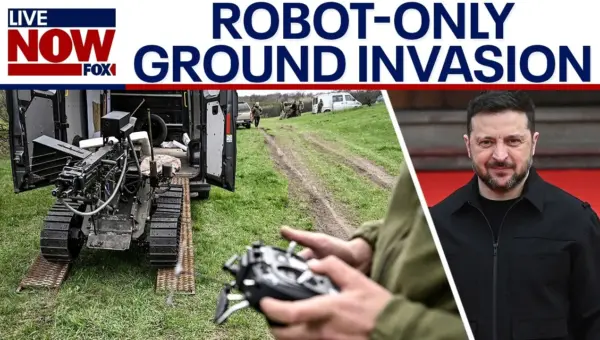
Ukraine Deploys Robot Ground Force to Capture Position
Ukraine has successfully captured a Russian position using an exclusively unmanned ground force, marking a first in the war. President Zelensky highlighted the operation, where ground robots and drones took the position without any Ukrainian casualties. This technological advancement signals a potential shift in battlefield dynamics.


Markets Brace for Uncertainty Amid Geopolitical Tensions, AI Boom
Geopolitical tensions surrounding Iran are creating market uncertainty, but a booming artificial intelligence sector and a stable labor market are providing significant economic support. Investors are watching closely as AI investment continues to drive growth and buffer against potential downturns.