Putin Faces Unprecedented Pressure Amidst Ukraine War
President Putin is reportedly under unprecedented stress due to the ongoing war in Ukraine. The conflict has resulted in a massive refugee crisis and significant Russian casualties, marking one of Europe's largest wars since World War II. International sanctions and military aid continue to shape the geopolitical landscape.


Putin Under Intense Pressure as Ukraine War Escalates
Recent assessments suggest Russian President Vladimir Putin is facing unprecedented stress. Analysts observe this period as a unique challenge for the Kremlin leader, marking a significant shift in his long tenure. The ongoing conflict in Ukraine appears to be the primary driver of this heightened pressure.
The war, which has escalated significantly since its inception, has drawn widespread international condemnation. Putin, who has been indicted as a war criminal by the International Criminal Court (ICC), initiated a large-scale invasion of Ukraine. This action is notable as one of the most significant military operations in Europe since World War II.
Humanitarian and Military Costs of the Conflict
The consequences of the invasion have been devastating. The conflict has resulted in a massive displacement of people, with an estimated 6 million individuals forced to flee their homes. This represents one of the largest refugee crises in recent European history.
The human cost extends to casualties within Russia itself. Reports indicate that approximately 1.3 million Russian soldiers have been killed or injured. These figures highlight the immense sacrifices being made by Russian forces and the significant toll the war is taking on the nation’s personnel.
Strategic Context and International Reaction
The ongoing military campaign in Ukraine has had far-reaching strategic implications. Russia’s objectives in the conflict, which include territorial gains and establishing a sphere of influence, have been met with strong resistance from Ukraine and its international partners. The protracted nature of the war has strained Russia’s military resources and economic stability.
The international community has responded with a series of sanctions aimed at crippling Russia’s economy and limiting its ability to fund the war effort. These measures, coupled with military aid to Ukraine, aim to isolate Russia and pressure Moscow to cease hostilities. The global response reflects a unified stance against the aggression and a commitment to upholding international law and territorial integrity.
Historical Parallels and Future Outlook
The current situation in Ukraine draws parallels to other major conflicts in modern history, particularly in terms of its scale and geopolitical impact. The challenges faced by leaders during prolonged wars often test their resolve and strategic decision-making. The long-term consequences of such conflicts can reshape regional dynamics and international relations for decades.
As the conflict continues, the focus remains on the battlefield developments and the diplomatic efforts to achieve a resolution. The resilience of the Ukrainian forces, supported by international assistance, has been a key factor in the ongoing struggle. The situation highlights the complex interplay of military strategy, economic pressures, and international diplomacy in resolving contemporary conflicts.
What This Means on the Ground
The reported stress on President Putin suggests a potential reevaluation of strategies within the Kremlin. For Russian forces, this could translate into increased pressure to achieve battlefield objectives despite significant losses. The high casualty figures indicate a costly campaign, potentially impacting troop morale and the availability of experienced personnel.
For Ukraine, the continued international support is crucial for sustaining its defense efforts. The sustained resistance, coupled with Western aid, aims to prevent further Russian advances and eventually regain lost territory. The humanitarian crisis, marked by millions of refugees, remains a critical concern, requiring ongoing international aid and support for displaced populations.
Geopolitical Ramifications
The war in Ukraine has fundamentally altered the geopolitical landscape in Europe and beyond. It has strengthened NATO alliances and prompted increased defense spending among member states. The conflict has also highlighted the growing importance of energy security and the global supply chains that are vulnerable to geopolitical instability.
Russia’s actions have led to its increased isolation on the world stage, impacting its economic and diplomatic relationships. The long-term geopolitical consequences will likely involve a reordering of international alliances and a renewed focus on collective security measures. The ongoing conflict is a clear reminder of the fragility of peace and the enduring challenges of maintaining global stability.
Source: 💥Putin Under Unprecedented Stress: Is the Kremlin Cracking? (YouTube)

Related Articles
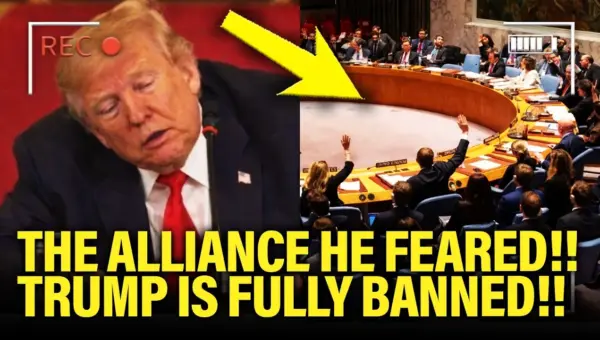
Global Leaders Shun Trump, Forge New Alliances Abroad
World leaders are increasingly excluding Donald Trump from international conferences, signaling a global pushback against his movement. Nations are exploring new alliances and security frameworks independent of the U.S., driven by concerns over American reliability and the rise of right-wing ideologies.

Iran Deal: A Risky Gambit or a Diplomatic Triumph?
President Trump claimed a major breakthrough with Iran, but conflicting reports and denials from Tehran cast doubt on the deal's finality. Experts warn of Iran's complex negotiating tactics, stressing the need for verifiable actions over mere words. The situation's outcome carries significant implications for regional stability and U.S. foreign policy.

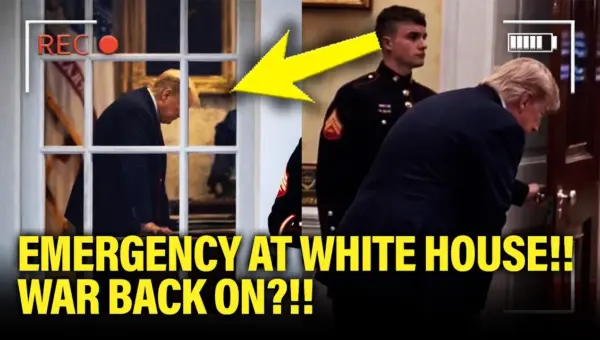
Trump’s Iran Claims Ignite Crisis, Sparking Emergency Talks
Reports detail an emergency meeting convened by Donald Trump following Iran's denial of his claims about a trade deal. Iran has threatened to close the Strait of Hormuz, escalating tensions. Analysis suggests military pressure is unlikely to yield concessions from Iran, potentially leading to further confrontation.