Agents of SHIELD Lives! Show Confirmed MCU Canon
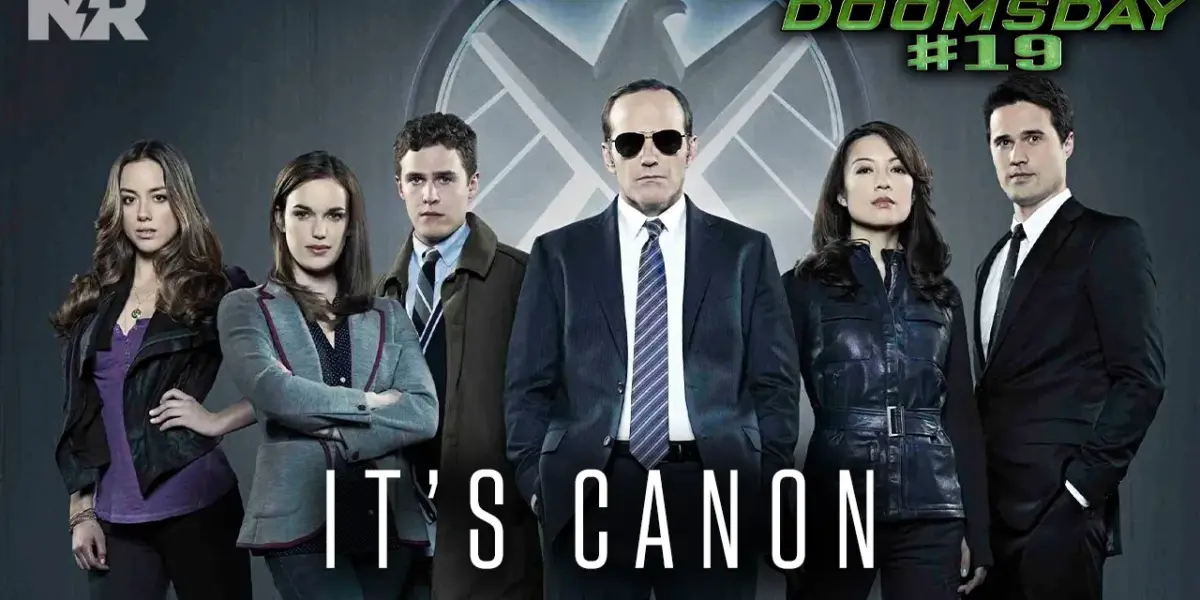
Marvel's 'Agents of SHIELD' is officially confirmed as canon within the MCU, much to the delight of fans. The seven-season series, lauded for its storytelling and character development, is now recognized as a vital part of the interconnected universe. Experts discuss its impact and key moments, especially its connection to 'Captain America: The Winter Soldier'.

Agents of SHIELD Lives! Show Confirmed MCU Canon
Exciting news for Marvel fans! The long-running ABC series Agents of SHIELD, which aired for seven seasons from 2013 to 2020, has officially been confirmed as canon within the Marvel Cinematic Universe (MCU). This revelation comes as anticipation builds for upcoming MCU projects like Avengers: Doomsday.
While the marketing for Avengers: Doomsday hasn’t yet featured direct nods to the show, the canonicity of Agents of SHIELD is now undeniable. This is especially true after the events of Secret Invasion and considering how the series handled certain storylines, some of which fans believe surpassed the movies.
As many fans revisit the MCU in preparation for new releases, the Road to Doomsday podcast series has been a popular guide. Their 19th episode, dedicated to Agents of SHIELD, has been the most requested so far. The episode features New Rockstars co-host Gina Epilo and special guest Jamie Jerich, who also hosts his own episode-by-episode Agents of SHIELD rewatch podcast, Love in the Time of Hydra.
A Beloved Series Gets Its Due
“It’s my favorite part of the MCU,” Gina Epilo shared. “I think it’s a perfect show.
If you are going into it knowing that it was on network TV at a very specific time and you just want like great storytelling and great acting, this is the show for you.” The series, available on Disney Plus, is praised for its character development, particularly highlighting figures like Quake and the iconic Agent Coulson, played by Clark Gregg. Many believe these characters, along with elements like LMDs and Ghost Rider, will reappear in the MCU.
Jamie Jerich emphasized the show’s unique appeal. “When it comes to Marvel, Agents of SHIELD is definitely my beat,” she explained.
Her podcast, Love in the Time of Hydra, revisits every episode on its 10th anniversary, ensuring the show’s legacy continues until 2030. Jerich has even had stars like Clark Gregg and Brett Dalton on her show, cementing her status as a go-to expert for the SHIELD fandom.
From Network TV to MCU Staple
The journey of Agents of SHIELD began shortly after Disney acquired Marvel in 2009. Marvel Television started discussions with ABC, also owned by Disney, in July 2012 to develop a TV show that would be in continuity with the MCU. This was a deliberate move to expand the narrative beyond just the blockbuster films.
Joss Whedon pitched the show, and it was picked up for a full 22-episode first season in May 2013. The series was developed by Joss Whedon, Jed Whedon, Maurissa Tancharoen, and Jeffrey Bell.
Bell, known for his work on Angel, brought a wealth of experience to the project. The show aimed to explore the stories of the “peripheral people” on the edges of the Avengers’ massive adventures, offering a ground-level view of the MCU’s impact on ordinary lives.
Despite being a network TV show with a TV budget, Agents of SHIELD consistently delivered impressive visual effects, thanks to supervisors like Mark Colac. The series maintained a high standard that, for many viewers, still holds up today. As Jeffrey Bell noted, the show was designed so that viewers who didn’t watch the films could still follow along, while film fans would appreciate the cameos and connections.
Star Power and Fan Favorite Moments
The show benefited from significant crossover appeal, with major MCU figures like Samuel L. Jackson as Nick Fury and Cobie Smulders as Agent Maria Hill appearing in the first season.
Bill Paxton also made a memorable appearance in season one, with his son later playing a younger version of his character in the final season. These high-profile guest stars helped legitimize the series and draw in a wider audience.
The series ran for an impressive seven seasons, a rarity in today’s television climate where shows often struggle to reach three seasons. The extended run, with initial seasons featuring 22 episodes and later seasons having 13, provided incredible job security for its cast and crew. This longevity allowed for deep character arcs and complex storytelling, a fact many fans and creators alike cherish.
“I still to this day cannot believe it happened,” said one podcast host, reflecting on the constant stress of worrying about their favorite shows getting canceled each year. The series finale was initially planned for the end of season five, but the surprise announcement of two additional seasons brought immense relief to the dedicated fanbase. The positive work environment on set was frequently cited by those involved in the show.
The Coulson Lives Phenomenon and the Hydra Twist
Agents of SHIELD played a key role in establishing the interconnectedness of television and film in the Marvel universe. It directly addressed events from the movies, most notably the death of Agent Coulson in 2012’s The Avengers. The fan campaign “Coulson Lives” was so powerful that it motivated Marvel to bring the character back, explaining his survival through a complex storyline involving a secret project.
This narrative choice became a central mystery of the first season. The show expertly built audience investment in its core team: the brilliant scientists Fitz and Simmons, the formidable Agent Melinda May, the seemingly dependable Agent Ward, and the hacker Skye.
The season’s climax, timed to coincide with the release of Captain America: The Winter Soldier, delivered a devastating reveal: Hydra had infiltrated S.H.I.E.L.D. From within, and Agent Ward was a traitor.
“It is hard to overstate how great this reveal is,” the podcast hosts explained. The betrayal hit hard because the groundwork had been laid for viewers to genuinely care about and trust the team.
Skye’s performance in discovering Ward’s true nature was particularly lauded. The show’s ability to subvert typical “will they, won’t they” tropes by revealing the love interest as a villain demonstrated its unique storytelling approach.
Fans are encouraged to watch Captain America: The Winter Soldier around episode 16 or 17 of Agents of SHIELD season one for the most impactful experience. While other films like Thor: The Dark World and Avengers: Age of Ultron are referenced, The Winter Soldier is considered essential viewing for understanding the show’s major turning point.
Season by Season: A Deeper Dive
Season 1 (September 2013 – May 2014): Kicking off with Agent Coulson’s return, the season focused on building a new S.H.I.E.L.D. Team and tackling weekly cases.
Broad mysteries like Project Centipede and the Clairvoyant culminated in the shocking revelation of Hydra’s infiltration, mirroring the events of Captain America: The Winter Soldier. The season finale was a powerful cliffhanger, proving the show could deliver major cinematic-level twists.
Season 2 (September 2014 – May 2015): The fallout from Hydra’s takeover left S.H.I.E.L.D. In ruins. This season explored the struggle to rebuild trust and identify remaining Hydra agents.
Coulson, now director, led a scrappier team, facing new threats and introducing compelling new characters. The season delved deeper into Hydra’s history and featured significant flashbacks, further expanding the MCU’s lore.
The series continued to weave intricate plots, introducing Inhumans, exploring alien artifacts, and even traveling through time. Characters like Daisy Johnson (Quake), Leo Fitz, Jemma Simmons, Melinda May, and Phil Coulson became fan favorites, each with their own compelling storylines. The show’s ability to balance action, drama, and character-driven narratives across its seven seasons is proof of its enduring quality and its rightful place in the Marvel canon.
Source: AGENTS OF SHIELD (2013-2020) REVISITED | Road to Doomsday #19 (YouTube)

Related Articles

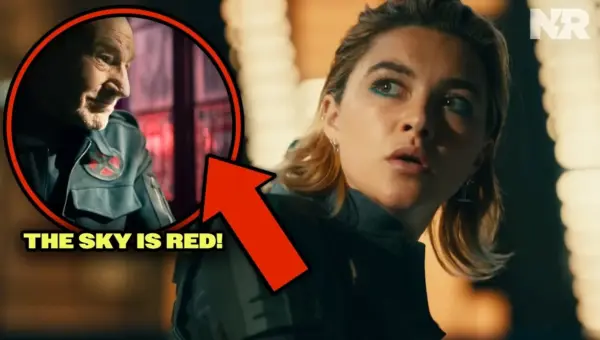
Doom’s Return: Avengers Trailer Stuns With Shocking X-Men & Cap Cameo!
The first trailer for Avengers: DoomSDAY has dropped, revealing Robert Downey Jr. as Doctor Doom and confirming the integration of Fox's X-Men into the MCU. The trailer showcases multiversal incursions, a tense Avengers Tower summit, and a shocking return of a beloved hero.

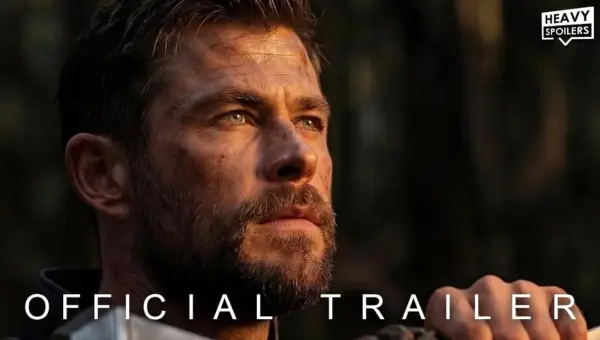
Doom Unleashed! Avengers: Doomsday Trailer Stuns Fans
Marvel's CinemaCon presentation unveiled the first trailer for Avengers: Doomsday, showcasing Doctor Doom and a massive multiversal threat. The trailer hints at epic battles, the return of Steve Rogers, and the introduction of the Fantastic Four to the MCU. Leaks suggest the film will be a grand farewell to older Marvel universes.

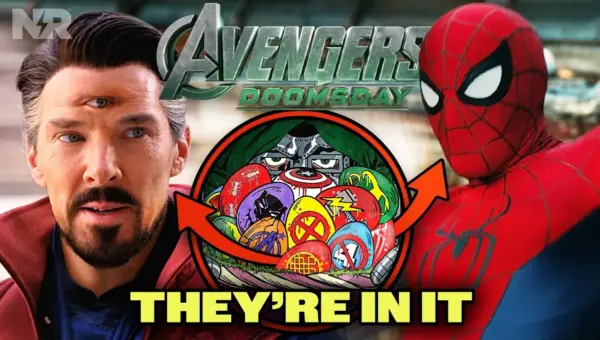
Spider-Man, Strange Arrive in Avengers Doomsday!
Robert Downey Jr.'s cryptic Instagram post has confirmed major character reveals for Avengers Doomsday, showcasing Spider-Man and Doctor Strange. Hidden Easter egg clues point to a vast array of Marvel heroes and villains involved in the epic crossover event.