House Floor Shutdown: A Political Power Play?
House Speaker Mike Johnson adjourned the House floor in the early hours of Friday, halting legislative votes until Monday. This move occurred amidst debates over war powers, economic messaging, and sharp partisan rhetoric. The shutdown raises questions about governmental function and the clarity of information in a polarized political climate.

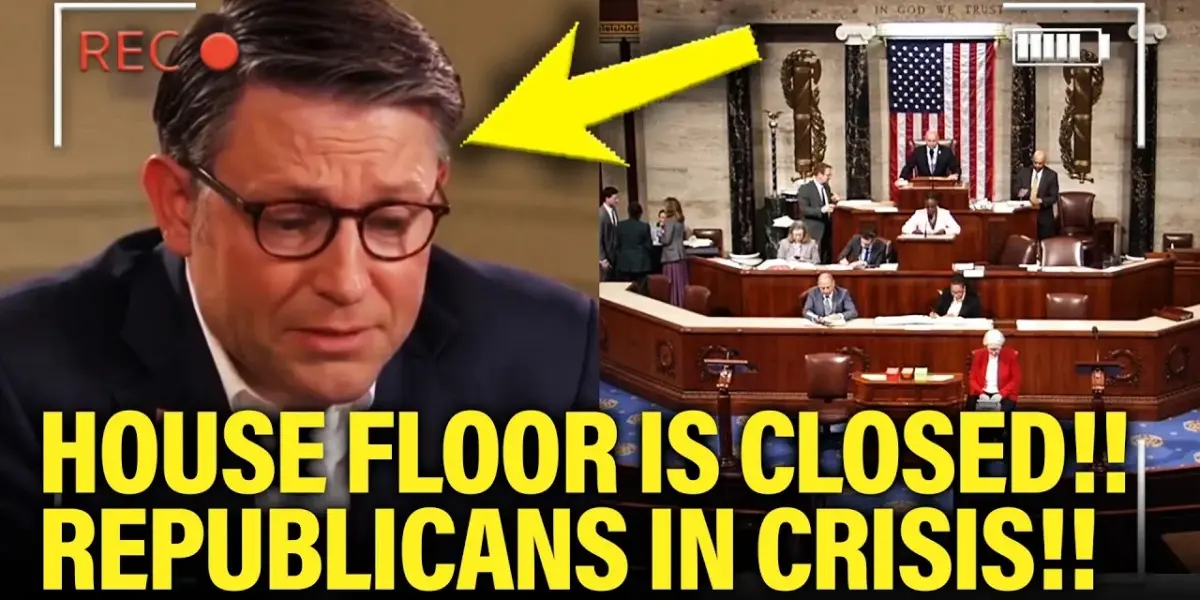
House Floor Shutdown: A Political Power Play?
In a move that halted legislative action, House Speaker Mike Johnson, often referred to as ‘MAGA Mike,’ adjourned the House floor in the early hours of Friday. This decision meant no votes would take place until Monday afternoon.
This abrupt halt to proceedings occurred around 2:00 AM. The official record from the House clerk shows the House adjourned by special order, with the next meeting scheduled for noon on April 20th, 2026.
This adjournment followed a unanimous consent motion. The agreement was to adjourn early Friday morning, allowing members to stop working until Monday.
While hearings continued in both the House and Senate, the floor for official votes was cleared. The speaker’s action effectively stopped any potential votes from occurring.
Questions About War Powers and Truth
The timing of this shutdown raises questions, especially concerning potential votes on war powers. One significant area of concern is the ongoing situation with Iran.
Reports suggest that former President Donald Trump has made claims about Iran’s actions and intentions regarding nuclear materials and shipping lanes. These claims have been met with skepticism and accusations of misinformation.
Specifically, Trump’s statements about American and Iranian excavators working together to handle nuclear dust and the accessibility of the Strait of Hormuz have been widely disputed. Critics argue that Iran maintains firm control over the strait and has no intention of relinquishing its uranium. The narrative presented by Trump, as reported by various news outlets, appears to be a point of contention, with accusations of a coordinated plan to control public perception.
Economic Messaging Amidst Uncertainty
Coinciding with the House floor shutdown, Treasury Secretary Janet Yellen (referred to as Scott Bessinger in the transcript) made remarks about the economy. Despite public sentiment suggesting otherwise, Yellen indicated that consumer spending remains strong. She noted that while people might express concerns, their actions show confidence in the economy.
This economic messaging occurred alongside news that the United States was extending the revocation of sanctions against Russia. This move, seemingly contradicting previous commitments to maintain sanctions, allows Russia to sell oil and generate significant revenue. The combination of the House adjournment and these economic developments adds another layer to the ongoing political discourse.
Statements from Administration Officials
Commerce Secretary Howard Lutnik also made notable statements. He expressed dismay at the number of individuals seeking government assistance, describing it as a demoralizing ‘sucking sound.’ Lutnik also projected strong economic growth, suggesting 6% GDP growth is on the horizon, particularly under potential future leadership.
Lutnik’s remarks, along with comments about Canada potentially being negatively impacted by U.S. economic policies, paint a picture of the administration’s current messaging. These statements, delivered during a period of legislative quiet, aim to shape perceptions of economic strength and national interest.
Republican Perspectives and Criticisms
Within the Republican party, voices like Stutzman (likely referring to Rep. Mike Johnson, though the transcript misattributes some comments) defended Donald Trump’s negotiation style. He described Trump as a tough negotiator who gets results, even in the face of threats from adversaries like Iran.
However, others, like Democratic Congresswoman Summer Lee, sharply criticized the rhetoric, particularly regarding threats against entire civilizations. Lee questioned the justification of such language, framing it as potentially genocidal. This highlights a deep divide in how perceived threats and diplomatic language are interpreted across the political spectrum.
The ‘Crazy’ Label and Policy Debates
Representative Jim Jordan, a prominent Republican, has frequently labeled Democratic policies as ‘crazy.’ He listed initiatives such as sanctuary city policies, defunding the police, and gender-inclusive sports as examples of what he considers extreme positions.
Conversely, supporters of these policies argue they are not fringe but rather mainstream ideas aimed at addressing societal issues. They contend that labeling these proposals as ‘crazy’ is a tactic to avoid substantive debate and dismiss policies that many Americans support, such as universal healthcare and a higher minimum wage.
Media Narratives and Shifting Alliances
Media outlets, including Fox News, have focused on rising foreclosure rates and shifts in voter demographics. Reports indicate a significant drop in Donald Trump’s approval among non-college white voters, a key demographic in past elections. This suggests a potential erosion of support, even among his traditional base.
CNN’s analysis highlighted this shift as a critical ‘Ruy moment,’ indicating a potentially serious challenge for Trump’s campaign. The narrative suggests that the coalition that brought him to power may be fracturing, necessitating a reevaluation of his campaign strategy and appeal.
Congressional Hearings Continue
Despite the House floor adjournment, congressional hearings have proceeded. A notable exchange involved Democratic Congresswoman Summer Lee’s cross-examination of Robert F. Kennedy Jr. The discussion centered on the removal of terms like ‘black’ from funding applications and its impact on addressing the black maternal mortality crisis.
Kennedy’s response emphasized ending division and criticized Diversity, Equity, and Inclusion (DEI) initiatives. Lee countered by arguing that specific interventions are necessary to address documented health disparities, especially when certain populations face higher mortality rates. The debate highlights the ongoing tension between broad policy approaches and targeted solutions for specific demographic groups.
The Broader Political Climate
The events described – the House floor shutdown, the conflicting economic messages, and the sharp partisan rhetoric – paint a picture of a deeply divided political environment. The use of strong language, accusations of lying, and the labeling of opposing policies as ‘crazy’ are common tactics.
These dynamics suggest a focus on political performance and messaging over legislative substance. The upcoming election cycle will likely amplify these trends, with both parties seeking to define the narrative and mobilize their respective bases through strong, often confrontational, communication strategies.
Why This Matters
The adjournment of the House floor, particularly when significant national and international issues are at stake, raises concerns about the functioning of government. When legislative bodies are unable to conduct votes or debates, it can lead to a lack of accountability and a failure to address pressing problems.
The conflicting narratives surrounding foreign policy, economic conditions, and social issues highlight the challenges in discerning objective truth in the current media environment. The strategic use of language and the framing of policies as ‘crazy’ or ‘essential’ can obscure the real-world impact of these decisions on citizens.
Implications and Future Outlook
The trend of political polarization and the use of inflammatory rhetoric are likely to continue. As seen in the transcript, the lines between governing and campaigning are increasingly blurred. This can lead to a focus on short-term political gains rather than long-term policy solutions.
The upcoming election will be a critical test of these trends. Voters will have to weigh the competing claims and decide which vision for the country they believe is most beneficial. The effectiveness of messaging, the ability to connect with key demographics, and the perceived competence of leadership will all play a role.
Historical Context
Congressional adjournments and partisan battles are not new to American politics. Throughout history, periods of intense political division have often been marked by procedural maneuvers and heated rhetoric. The ability of different factions to find common ground has often been tested.
However, the current environment, amplified by social media and a fragmented news landscape, presents unique challenges. The speed at which information—and misinformation—can spread, coupled with the deep ideological divides, makes consensus-building more difficult than in previous eras.
Looking Ahead
The focus will now shift to the next legislative session and the ongoing election campaigns. The effectiveness of the current administration’s messaging on the economy and foreign policy will be closely watched. Similarly, the opposition’s ability to capitalize on perceived weaknesses will be a key factor.
The decisions made in the coming months, both in Congress and on the campaign trail, will shape the direction of the nation. The public’s engagement and demand for clear, truthful information will be crucial in navigating the complexities ahead.
The next scheduled meeting of the House of Representatives is April 20th, 2026, at 12:00 p.m. Eastern Time.
Source: MAGA Mike SHUTS DOWN House Floor and CANCELS VOTES!!!! (YouTube)

Related Articles
Trump’s Vendetta Politics Distract From Real Issues
Donald Trump's communication strategy appears to prioritize personal vendettas over addressing national issues like inflation. His social media activity shows an obsessive focus on perceived enemies, overshadowing economic concerns and raising questions about his leadership priorities.
Democrat Flips NJ Seat, Shrinking GOP House Majority
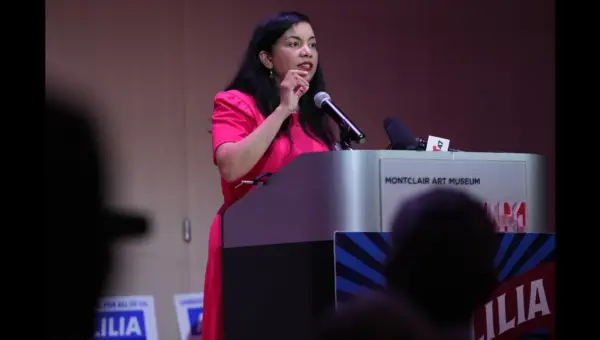
Democrat Analilia Mejia won a special election in New Jersey, taking Mikie Sherrill's former House seat. Her victory narrows the Republican majority in Congress. Mejia campaigned on progressive policies, while her opponent focused on economic issues.
Media Ignores Iran Win, Favors Fear Over Facts
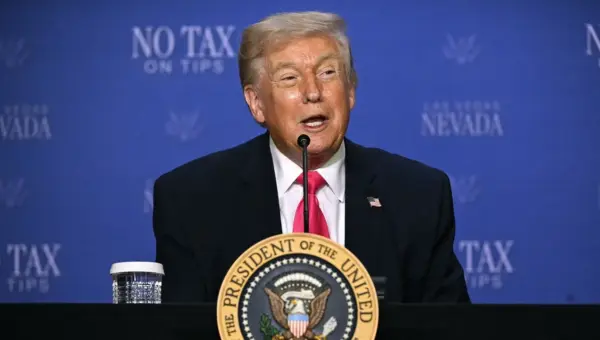
Recent reports highlight media's tendency to downplay significant diplomatic wins, like Iran's uranium deal, while focusing on market impacts. This selective coverage, coupled with ongoing debates about surveillance laws like FISA and the rise of progressive politics, raises questions about how crucial information is presented and perceived by the public.