Bondi’s Subpoena Dodge Fuels Epstein Cover-Up Fears
Pam Bondi's refusal to testify in the Jeffrey Epstein investigation, despite a bipartisan subpoena, fuels fears of a cover-up. Legal experts criticize the delay tactics, arguing Bondi's testimony is crucial for uncovering the truth about the Epstein files and potential government complicity.

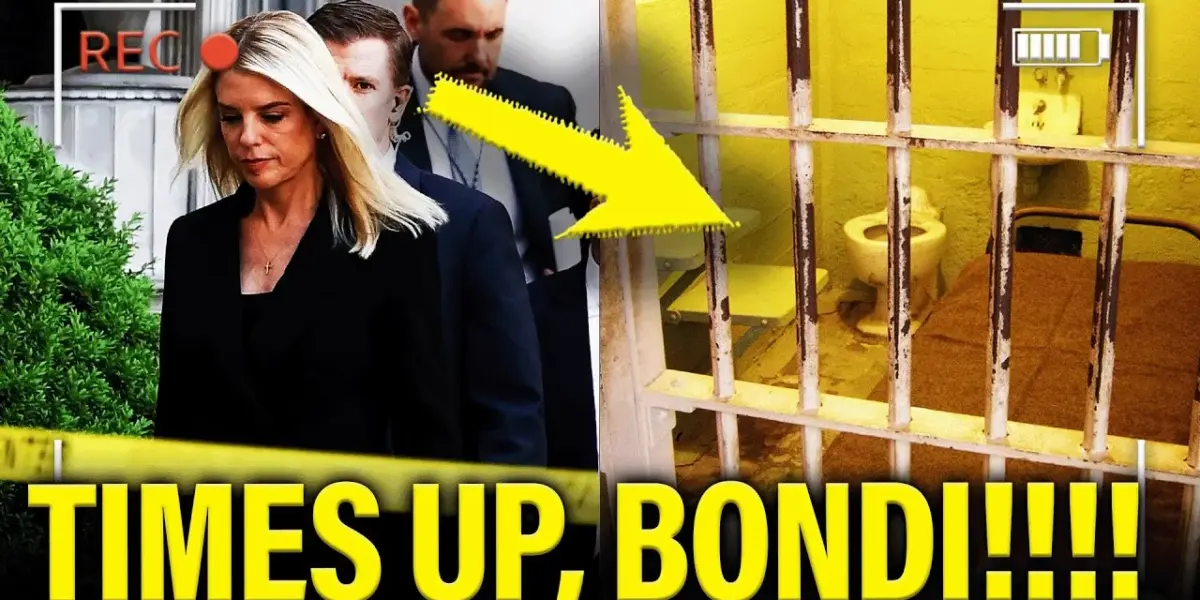
Bondi’s Subpoena Dodge Fuels Epstein Cover-Up Fears
The recent actions surrounding former Attorney General Pam Bondi’s refusal to testify in the Jeffrey Epstein investigation have sparked serious questions. Despite a bipartisan subpoena, Bondi did not appear for her deposition, leading to accusations of a cover-up orchestrated by the Trump Department of Justice. This move has intensified public demand for transparency regarding the Epstein files and the alleged involvement of powerful figures.
Acting Attorney General Todd Blanch stated that the DOJ’s work on the Epstein files is complete and that Bondi, no longer holding public office, should not be compelled to testify. This stance draws a parallel to the seven-month delay before Bill and Hillary Clinton testified in a previous matter. However, critics argue that Bondi’s current role as a central figure with crucial knowledge makes her testimony essential, regardless of her former position.
A Central Figure’s Silence
Pam Bondi is described as the central figure in this ongoing investigation. Her refusal to appear for a deposition, despite a lawfully issued subpoena, is seen by many as an attempt to evade accountability.
While supporters of the delay point to the Clinton’s lengthy testimony period, critics highlight that Bondi’s prior testimony before the House Judiciary Committee was brief and contained. This suggests her upcoming deposition would cover different, potentially more revealing, ground.
The subpoena itself was not an isolated event. It followed months of oversight efforts by a bipartisan group on the House Oversight Committee.
This group came together after Bondi’s previous testimony, which they deemed unsatisfactory. Their focus is exclusively on the Epstein cover-up, a matter they consider to be of immense national importance, representing a significant child sex-trafficking ring in world history.
The Trump DOJ’s Strategy
The strategy from the Trump administration’s Department of Justice appears to be one of delay. By asserting various legal privileges and drawing comparisons to past cases, they aim to push the deposition back, possibly for months or even a year.
The hope, it seems, is that public interest will wane, and the Epstein files will fade from the national conversation. This tactic, however, may be backfiring, generating more attention rather than less.
This approach echoes past attempts to control narratives, such as statements made by Melania Trump denying knowledge of Jeffrey Epstein beyond brief social encounters. These claims are contrasted with information from individuals like Paolo Zampoli, who ran a modeling agency and was involved in bringing Eastern European women, including Melania Trump, into the US. Zampoli, who claims he introduced Melania and Donald Trump, has agreed to testify, potentially shedding light on visa applications and social circles.
“The American people want her to be deposed and that’s why on a bipartisan basis it was called.”
Legal Expert Weighs In
Legal analyst Harry Litman, from the Talking Feds YouTube channel and podcast, believes the delay strategy is failing. He argues that the public’s interest remains high because fundamental answers have not been provided, and victims have not received closure. Litman emphasizes that Pam Bondi is the key witness whose testimony is crucial for understanding what the Department of Justice knew and did regarding the Epstein files.
Litman also refutes the comparison to the Clinton testimony, explaining that presidents are rarely compelled to testify, unlike cabinet officials. He asserts that Bondi’s eagerness to avoid testifying under oath should raise red flags. The Democrats’ insistence on sworn testimony stems from a lack of trust in her willingness to provide truthful accounts, especially given her past alignment with Trump’s narratives.
The Epstein Transparency Act and Future Outlook
The Epstein Transparency Act plays a role in defining any privileges former officials might claim, and it circumscribes them. Bondi’s assertion of privilege is not an excuse to avoid taking the oath.
Litman believes the investigation cannot move forward substantially without her testimony. The fact that several Republicans joined Democrats in voting for the subpoena suggests a bipartisan desire for answers.
Any attempt to pressure these Republicans to retract their support based on Bondi’s former status would be a significant misstep. Her no longer being Attorney General does not diminish the importance of her testimony to the investigation’s progress.
The current situation highlights a broader issue: a lack of full disclosure and a potential cover-up that the American public is not willing to overlook. The call for a special counsel remains, though its appointment may be subject to political manipulation.
Why This Matters
The refusal of a key witness to testify in a high-profile investigation, especially one involving alleged child sex trafficking and potential cover-ups, erodes public trust in governmental institutions. The Epstein case has long been a subject of intense public scrutiny, and any perceived stonewalling or manipulation of the legal process only amplifies concerns about accountability for powerful individuals. The bipartisan nature of the subpoena signifies a shared interest across the political spectrum in uncovering the truth.
This situation also raises questions about the independence of the Justice Department and its willingness to pursue investigations without political interference. The strategy of delay, if successful, could set a dangerous precedent, suggesting that powerful individuals can evade scrutiny by simply waiting for public attention to fade. The ongoing demand for transparency indicates that this is far from over.
Implications and Future Outlook
The legal battle over Pam Bondi’s testimony is likely to continue, potentially leading to contempt proceedings if she continues to refuse. This could further entangle the Department of Justice and bring more unwanted attention to the Epstein case. The involvement of individuals like Paolo Zampoli and the ongoing questions about visa applications and social connections suggest that the investigation may expand into new areas.
The public’s persistent demand for information indicates that the Epstein files remain a significant concern. The strategy of waiting for people to forget is proving ineffective.
The case is a clear reminder that transparency and accountability are paramount, especially when dealing with allegations of serious crimes and potential conspiracies. The coming weeks will reveal whether the legal system can overcome political maneuvering to deliver the truth.
Historical Context
The Epstein scandal itself has a long and disturbing history, involving accusations against Jeffrey Epstein for sex trafficking of minors. His connections to numerous wealthy and influential individuals, including politicians and celebrities, have made it a subject of intense public fascination and concern. The initial investigation and subsequent events have been marked by accusations of preferential treatment and cover-ups, leading to a deep-seated public desire for full disclosure.
The role of the Department of Justice in handling such sensitive cases has always been under scrutiny. The actions taken by the Trump DOJ, as described in this context, are being viewed through the lens of past controversies. The Epstein Transparency Act itself was a legislative effort to force greater disclosure, highlighting the public and political pressure to uncover all aspects of the scandal.
The current situation with Pam Bondi’s subpoena is part of a larger effort to piece together the full story. The comparison to the Clinton testimony, while used as a defense for delay, also serves to remind the public of the long road to accountability in high-profile cases. The insistence on sworn testimony from Bondi suggests a belief that her current statements are insufficient and that the truth can only be obtained under oath.
Source: 🚨Bondi gets INSTANT KARMA after VIOLATING SUBPOENA!!! (YouTube)

Related Articles

Trump Faces Embarrassment at WHCD Over Epstein Report Honor
Donald Trump is set to attend the White House Correspondents' Dinner, an event that will honor the Wall Street Journal for its reporting on a sexually suggestive birthday message allegedly sent by Trump to Jeffrey Epstein. The former president's attendance is expected to be particularly awkward given his history of conflict with the press and the nature of the award.


Pam Bondi’s Epstein Testimony: Fear of Truth or Political Ploy?
Pam Bondi's potential testimony in the Jeffrey Epstein case has sparked fear, with many believing her revelations could be damaging. Her career trajectory, from anti-trafficking advocate to her association with Donald Trump, has led to intense scrutiny. The situation raises questions about political influence and the pursuit of truth.

Bondi Dodges Police Over Epstein Ties
Pam Bondi, former Florida Attorney General, is reportedly facing potential contempt charges. This stems from allegations that she avoided a police investigation related to the Jeffrey Epstein case. The situation raises questions about accountability for public officials.