Doncic’s Tears: A Star’s Struggle with Referees
Luka Doncic's on-court emotional responses to officiating are under renewed scrutiny. Despite conditioning improvements, his vocal complaints persist, potentially impacting his defensive focus and game flow. Analysts suggest a need for greater composure to unlock his full potential.

Doncic’s Tears: A Star’s Struggle with Referees
Luka Doncic, the Slovenian superstar lighting up the NBA, faces a familiar, yet persistent, challenge that often overshadows his dazzling offensive displays: his emotional response to officiating. While his conditioning has seen significant improvement, the volume of his on-court complaints appears to be at an all-time high, a phenomenon that has drawn the attention of analysts and fans alike.
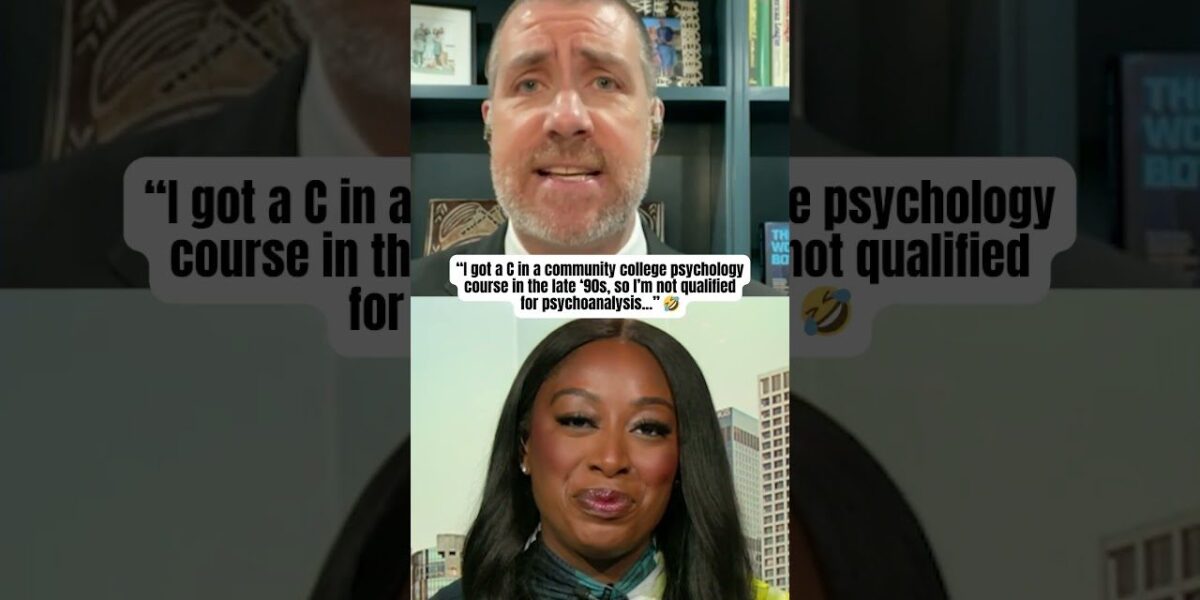
While admitting to a less-than-stellar academic background in psychology from the late ’90s, a period that hardly qualifies him for armchair analysis, the reporter who covered Doncic for the first six and a half years of his career offers a keen insight. Drawing from conversations with coaches and teammates, the perspective is clear: Doncic’s frustration often manifests as vocal appeals to the referees. The more agitated he becomes, the more he vocalizes his displeasure, a cycle that can detract from his focus on the game itself.
This intense focus on the officials, the “three guys in the gray jerseys,” as they are colloquially known, can unfortunately divert his attention from the “five guys in the opposite jerseys.” It’s a delicate balance for any player, but for a superstar like Doncic, whose defensive efforts are already under scrutiny, this can become a significant impediment. The reporter elaborates, “He worries more about sometimes the three guys in the gray jerseys than the five guys in the opposite jerseys.” This internal battle, waged with the officiating crew, can lead to a compromised defensive presence, as he may hesitate to fully engage on that end of the floor due to concerns about potential calls.
The Defensive Dilemma
The issue of Doncic’s defensive struggles is a complex one, often exacerbated by his engagement with the referees. “And look, he’s going to have defensive problems regardless,” the reporter states, acknowledging that defensive shortcomings are inherent to his game. However, the added layer of concern over officiating creates a self-fulfilling prophecy. “It’s hard to play defense if you never cross half court because you’re worried about a call that you…” the sentence trails off, powerfully illustrating the mental gymnastics Doncic seemingly endures, potentially sacrificing defensive positioning and effort in anticipation of perceived injustices.
This tendency to fixate on calls, or the lack thereof, is not new. It has been a recurring theme throughout his young career. While his offensive brilliance remains undeniable, consistently putting up MVP-caliber numbers, this emotional outlet can sometimes be his own worst enemy. The impact extends beyond individual plays; it can disrupt the flow of the game for his team, leading to missed defensive rotations and a loss of momentum.
Looking Ahead: A Call for Composure?
The question for Doncic and his Dallas Mavericks moving forward is how to manage this aspect of his game. While passion and intensity are vital components of elite athleticism, channeling that energy constructively is key. Can Doncic learn to compartmentalize his frustrations, focusing on the game at hand rather than dwelling on calls that have already been made or might be missed?
His conditioning improvements are a testament to his dedication and ability to address areas of his game. The hope for the Mavericks is that his emotional maturity will follow a similar trajectory. As he continues to mature as a player and a leader, developing a more stoic approach to officiating could unlock an even higher level of performance, particularly on the defensive end, where he often faces the most criticism. The league watches with bated breath to see if Luka Doncic can find a way to silence the whistle in his head and fully embrace the challenge of outplaying his opponents, rather than arguing with the arbiters of the game.
Source: Give him a break 😅 (YouTube)

Related Articles

Pistons Want Knicks: Detroit’s Hunger Fuels Rivalry
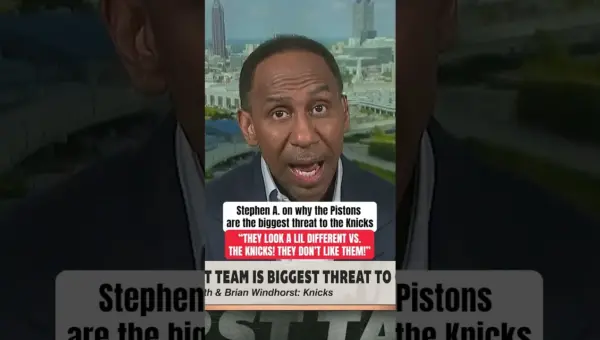
The Detroit Pistons are reportedly driven by a strong desire to face and defeat the New York Knicks, showing an extra level of intensity in their matchups. This hunger makes them a significant challenge for New York, contrasting with Boston's more methodical approach.

Draymond: Kerr Deserves to Leave When Ready
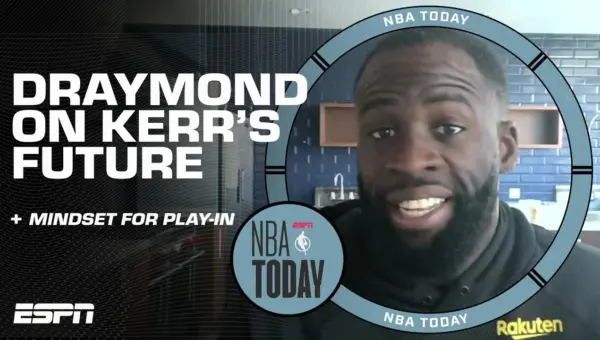
Draymond Green discusses the Warriors' play-in mindset, emphasizing competition and Steve Kerr's legacy. He believes Kerr deserves to leave on his own terms and praises Curry's unique offensive threat.

Avdija Defends His Game: ‘Not a Gross Foul Baiter!’
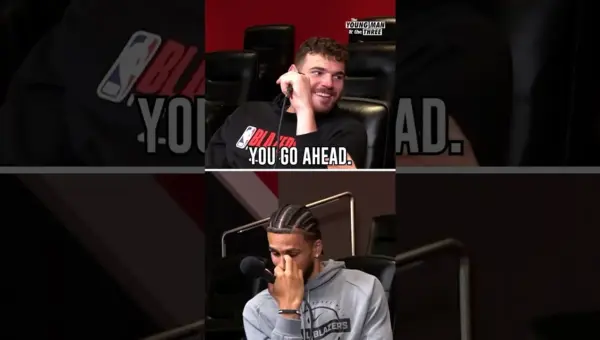
Washington Wizards forward Deni Avdija is pushing back against claims that he's a "gross foul baiter." He argues his aggressive drives to the basket naturally draw contact. Avdija insists he often finishes through fouls and isn't solely looking for free throws.