RFK Jr. Accused of ‘Charlatanism’ Over Tylenol-Autism Claims
Robert F. Kennedy Jr. is facing accusations of being a "charlatan" for promoting the debunked theory that Tylenol causes autism. A recent study involving over a million people found no link, yet the misinformation continues to cause fear among parents. This controversy highlights the dangers of health misinformation and its impact on public health decisions.

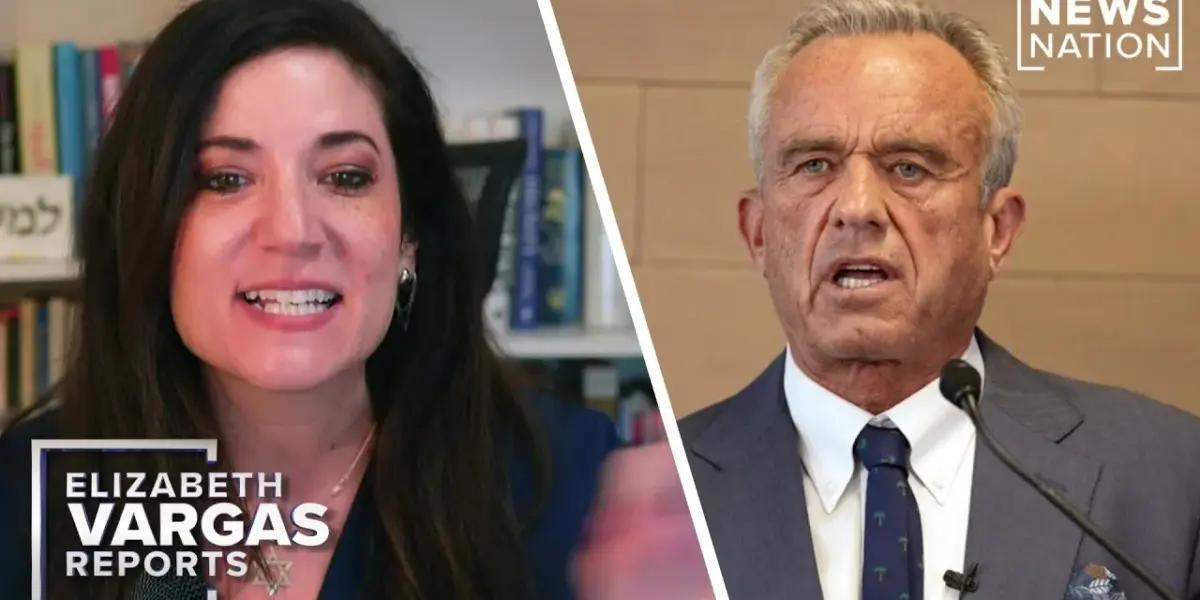
RFK Jr. Accused of ‘Charlatanism’ Over Tylenol-Autism Claims
Robert F. Kennedy Jr. is facing strong criticism for promoting a theory that acetaminophen, commonly known as Tylenol, causes autism in children.
This claim, which has been widely debunked by scientific studies, was brought to the forefront during recent congressional hearings where Kennedy Jr. was testifying. The controversy highlights a disturbing trend of misinformation impacting public health decisions.
During a hearing, a Republican congressman shared a personal story about his wife’s distress over taking Tylenol during pregnancy, influenced by such warnings. He noted that his wife felt guilty for a brief moment, fearing she might be responsible if their child had autism. This emotional anecdote highlights the real-world impact of these unfounded fears on expectant parents.
Debunked Science Fuels Controversy
The congressman’s concern was amplified by a recent study from Denmark, released just days prior. This large-scale research, involving over a million mothers and children, found zero evidence linking Tylenol use during pregnancy to autism. Despite this clear scientific consensus, the theory persists, raising serious questions about its origins and spread.
Batya, a commentator on the program, did not hold back in her assessment of Kennedy Jr.’s claims. She labeled him a “freaking charlatan,” accusing him of being a cynical manipulator who preys on vulnerable people. His approach, she argued, involves spinning conspiracy theories that instill fear and guilt in parents, leading them to believe they are responsible if their child develops autism.
This guy is so appalling. He targets desperate people and spins these conspiratorial yarns, making women think their child’s autism is their fault.
The consequences of such misinformation are dire, according to critics. Women experiencing significant pain during pregnancy, for whom Tylenol is often one of the few safe options, may now avoid it altogether. This fear-driven avoidance could lead to unnecessary suffering for mothers and potentially impact their health during a critical period.
Political Theater and Public Health
The political response to Kennedy Jr.’s claims also drew criticism. While some observers wanted to support those challenging him, they found the Democratic representatives’ approach to be overly theatrical. These politicians seemed more focused on getting their individual moments in the spotlight rather than effectively countering the harmful misinformation.
This dynamic left some viewers feeling conflicted, as they wanted to oppose Kennedy Jr.’s dangerous rhetoric. However, the Democrats’ performance sometimes made it seem like Kennedy Jr. was at least engaging with the issue directly, even if his stance was harmful. The commentator emphasized that Kennedy Jr. represents the “lowest of the low” for exploiting such sensitive fears.
Historical Context of Vaccine and Health Debates
The current debate around vaccines and alleged links to conditions like autism is not new. For decades, misinformation has circulated, often targeting vaccines as a cause. These claims typically gain traction through anecdotal evidence and emotional appeals rather than rigorous scientific backing.
Historically, concerns about public health interventions have sometimes been amplified by public figures with significant platforms. The spread of such theories can create widespread distrust in established medical advice and institutions. This erosion of trust can have serious public health consequences, as seen with rising measles cases due to declining vaccination rates.
The scientific community has consistently refuted the link between vaccines and autism. Numerous large-scale studies have found no such connection. Similarly, the specific claim about Tylenol causing autism has been thoroughly investigated and disproven by extensive research.
Why This Matters
The promotion of debunked medical theories by influential figures poses a significant threat to public health. It creates unnecessary fear and anxiety among parents, potentially leading them to make decisions that harm themselves or their children. This is particularly concerning when it involves widely used and generally safe medications like acetaminophen.
The spread of such misinformation can undermine confidence in science and healthcare professionals. When people are bombarded with conflicting and often emotionally charged narratives, it becomes difficult to discern credible information. This can result in a public that is less likely to follow evidence-based health recommendations, leading to negative health outcomes for individuals and communities.
Implications and Future Outlook
The continued influence of figures like RFK Jr. suggests a need for greater media literacy and critical thinking skills among the public. It also highlights the responsibility of platforms that host such content to address the spread of dangerous misinformation effectively.
Moving forward, it is crucial for public health officials and medical professionals to actively combat these false narratives. Clear, consistent, and accessible communication based on scientific evidence is essential to counter fear and confusion. The hope is that widespread access to accurate information, like the findings from the Danish study, will help protect parents from harmful advice.
The public should remain vigilant and consult trusted medical sources for health information. The latest study from Denmark, involving over a million participants, provides strong evidence that Tylenol does not cause autism. This scientific consensus should guide parental decisions, ensuring they can manage pain safely during pregnancy without undue fear.
Source: RFK Jr. a ‘freaking charlatan’ for pushing Tylenol-autism theory: Batya | Elizabeth Vargas Reports (YouTube)

Related Articles

RFK Jr. Defends Health Agency Amid Vaccine Messaging Clash
HHS Secretary Robert F. Kennedy Jr. clashed with Rep. Linda Sanchez over vaccine messaging during a House hearing. While Sanchez pressed on potential misinformation, Kennedy emphasized the critical threat of chronic diseases to American health.


Trump Taps Dr. Erica Schwarz to Lead CDC Amid Midterm Push
President Donald Trump has nominated Dr. Erica Schwarz to lead the Centers for Disease Control and Prevention (CDC). The announcement, made on Truth Social, also included nominations for deputy directors and a senior counselor. This move aims to bring experienced leadership to the agency ahead of the midterm elections.

RFK Jr. Grilled on Raw Milk Stance During Capitol Hill Hearing
Robert F. Kennedy Jr. was questioned about his past support for raw milk during a Capitol Hill hearing. Representative Rosa DeLauro pressed him on whether he felt a moral duty to discourage raw milk consumption due to health risks. The exchange highlighted ongoing debates about food safety and personal choice.