US Troops Exit Syria Air Base: What Comes Next?
U.S. forces have completed their withdrawal from Qasrak Air Base in Syria's Hasakah province. This move raises questions about the ongoing fight against ISIS and the stability of the region. The SDF now faces increased responsibility for security.

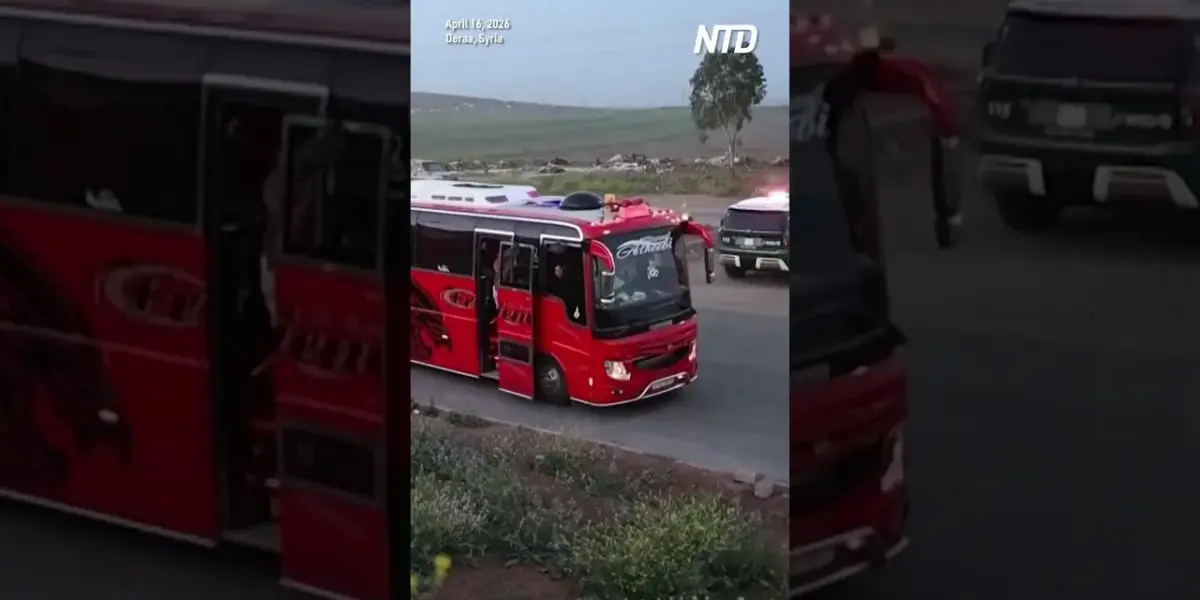
US Troops Exit Syria Air Base: What Comes Next?
American troops recently finished leaving Qasrak Air Base in Syria. This base is located in the Hasakah province, a region that has seen significant conflict and shifting alliances. The final convoy of soldiers and equipment departed on a Thursday evening, marking the end of a specific chapter in the long and complex U.S. involvement in Syria.
The withdrawal from Qasrak Air Base is part of a broader U.S. military strategy in the Middle East. While the exact reasons for this particular pull-out are not fully detailed, U.S. military operations in Syria have aimed to combat the Islamic State (ISIS) and support local partners. These operations have been ongoing for several years, facing numerous challenges and evolving threats.
The Context of the Withdrawal
The fight against ISIS in Syria has been a primary focus for the U.S. and its allies. American forces have worked closely with Syrian Democratic Forces (SDF), a Kurdish-led coalition, to push back the extremist group. Qasrak Air Base served as a key logistical hub and staging ground for these operations, facilitating troop movements and equipment support.
However, the Syrian conflict is incredibly complicated, involving regional powers like Turkey, Iran, and Russia, as well as the Syrian government itself. Each of these players has its own interests and objectives, often conflicting with one another and with U.S. goals. The presence of U.S. troops has been a sensitive issue, sometimes leading to friction with Turkey, which views certain Kurdish groups within the SDF as terrorists.
Shifting Alliances and Regional Dynamics
The withdrawal of U.S. forces can be seen in the context of evolving regional dynamics. As the U.S. shifts its focus and resources, local partners are left to manage security challenges. The SDF, which has relied on U.S. airpower and training, now faces the prospect of operating with reduced support.
This situation has led to concerns about the potential resurgence of ISIS. While the group has been significantly weakened, its ideology persists, and sleeper cells remain a threat.
The departure of U.S. troops could create a security vacuum that extremist groups might exploit. It’s like a security guard leaving a neighborhood; if no one else steps up, criminals might see an opportunity.
Why This Matters
The withdrawal from Qasrak Air Base has significant implications for the ongoing fight against terrorism and the stability of the region. It raises questions about the long-term strategy for combating extremist groups in Syria and the Middle East.
For the Syrian Democratic Forces, this withdrawal means they must increasingly rely on their own capabilities. They have proven to be a capable fighting force, but the loss of U.S. air support and logistical backing could present serious challenges. This is similar to a student who has always had a tutor suddenly having to take a test alone.
Implications and Future Outlook
The long-term effects of this withdrawal are still unfolding. The U.S. military presence in Syria has been a deterrent against ISIS and a stabilizing factor in certain areas. Its reduction could embolden remaining ISIS fighters and complicate efforts to achieve lasting peace.
The actions of other regional powers will become more critical. Russia and Iran, allies of the Syrian government, have a significant presence in the country. Their influence could grow as U.S. involvement wanes, potentially altering the political and military balance.
Historical Context
U.S. involvement in Syria began in earnest following the rise of ISIS. In 2014, the U.S. launched Operation Inherent Resolve, a campaign of airstrikes and support for local forces aimed at degrading and defeating the terrorist group. Over the years, the U.S. has maintained a presence, though the size and scope of its mission have been debated and adjusted multiple times by different administrations.
The initial goal was clear: defeat ISIS. However, the mission evolved, becoming entangled with the broader Syrian civil war and the complex geopolitical interests of multiple nations. The presence of U.S. troops has been a constant source of discussion, with arguments for staying to ensure lasting security and arguments for leaving to avoid further entanglement.
Looking Ahead
The withdrawal from Qasrak Air Base is not necessarily the end of U.S. military operations in Syria. The U.S. has stated its commitment to counter-terrorism efforts and may maintain other bases or deploy forces elsewhere in the country. The focus might shift to intelligence gathering, special operations, and continued support for partners.
However, the reduction of forces at a key air base signifies a change in operational tempo and presence. The coming months will be crucial in assessing the impact on the ground, particularly for the SDF and their ability to maintain security against lingering threats. The situation in Syria remains fluid, with the actions of all involved parties shaping the future of the conflict and regional stability.
Source: US Troops Complete Withdrawal From Air Base in Syria (YouTube)

Related Articles

US Vows to Stop Any Ship Linked to Iran
The U.S. military is expanding its mission to intercept any ship linked to Iran, anywhere in the world. This move comes as a two-week ceasefire between the U.S. and Iran is past its halfway point. Tensions also remain high between Israel and Hezbollah in southern Lebanon.

US Troops Hungry Amidst Iran Tensions, Congress Questions Strategy
Reports indicate U.S. troops in the Middle East are facing hunger amid escalating tensions with Iran. While a ceasefire between Israel and Lebanon was announced, questions linger about its stability. Meanwhile, Congress is scrutinizing the Trump administration's strategy, troop welfare, and the potential politicization of military leadership.


Trump Announces Israel-Lebanon Ceasefire Amid Rising Tensions
President Trump announced a new ceasefire agreement between Israel and Hezbollah, set to take effect immediately. The truce aims to de-escalate weeks of heavy fighting. The announcement comes as a US oil deal nears expiration, and global economic concerns, including rising gas prices, persist.