Spy Law Debate: DNI Gabbard Clashed With Trump on Privacy
Director of National Intelligence Tulsi Gabbard reportedly voiced concerns to President Trump about reauthorizing Section 702 of FISA without privacy reforms. The program allows U.S. collection of foreign communications but can sweep up American data. This disagreement highlights ongoing tensions between national security needs and privacy rights as the law faces a critical deadline.

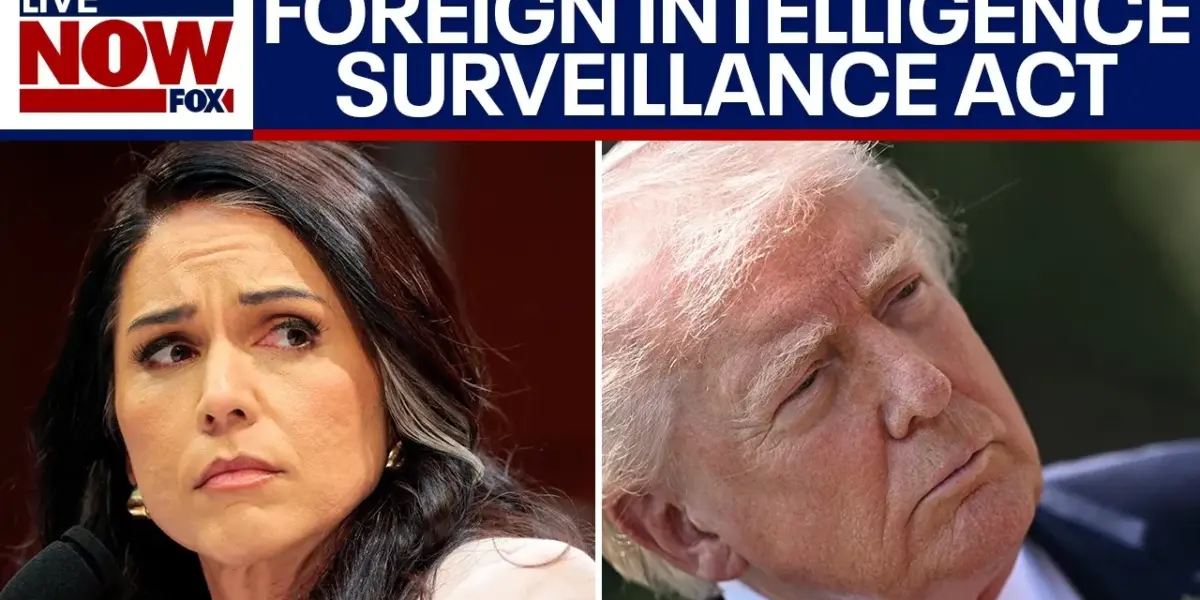
Spy Law Debate: DNI Gabbard Clashed With Trump on Privacy
Director of National Intelligence Tulsi Gabbard reportedly told President Trump she had concerns about renewing a key spy program without changes to protect Americans’ privacy. The program, known as Section 702 of the Foreign Intelligence Surveillance Act (FISA), allows the U.S. government to collect communications from foreigners abroad. Politico reported that Gabbard’s appeal to the president was unsuccessful.
What is FISA Section 702?
Section 702 of FISA permits the U.S. government to gather communications like texts and emails from specific foreigners outside the country. These targets often include terrorists, drug traffickers, and foreign spies.
However, the program can unintentionally capture the communications of Americans who are communicating with these foreign targets. National security officials consider it a vital intelligence tool.
Privacy Concerns Surface
Privacy advocates and lawmakers have long worried that Section 702 acts as a way for the government to bypass privacy rights. They point out that the government can search the collected data for information on Americans. This issue has recently resurfaced on Capitol Hill, causing renewed debate.
Inside the White House Meeting
Details from the meeting between President Trump and Director Gabbard are limited, but the situation highlights potential disagreements within the administration. Gabbard reportedly met with Trump in early February, before he publicly stated his position on the law.
She expressed her dissatisfaction with the program in its current form. Trump, however, later signaled his support for reauthorizing the law without changes for another 18 months.
Congressional Battle Over Reauthorization
In recent weeks, Republicans in Congress have shown resistance to the president’s plan. Members of the House Freedom Caucus, in particular, are pushing for changes.
They argue that the government should be required to obtain judicial warrants before accessing Americans’ communications under Section 702. This debate has intensified as the law’s expiration date approaches.
Lawmakers Wrestle With Section 702
Lawmakers are actively trying to find a way forward as the law is set to expire on April 20th. If not reauthorized, the program could effectively go dark, causing concern among national security officials.
This Section 702 renewal has been contentious in the past, leading to close votes in 2018 and 2024. The current situation mirrors those past fights, with significant divisions on both sides of the aisle.
Gabbard’s History of Disagreements
This is not the first reported instance of Gabbard and Trump having differing views. Her supporters might say the president values diverse opinions, and she voiced hers before his public stance. However, this is not the only time Gabbard has taken a position that diverged from Trump’s.
In the summer of last year, she posted a video warning about nuclear war dangers while Trump was considering air strikes on Iran’s nuclear program. This video reportedly displeased Trump, as he saw it as a criticism of his policy. More recently, Gabbard was in Hawaii when Trump ordered an operation to capture Venezuela’s President Nicolás Maduro.
Although she was in the Situation Room, she was not with Trump at Mar-a-Lago during the initial stages of the ongoing conflict in Iran. These instances suggest a lack of complete trust from the president on certain high-profile national security matters.
A Crucial Tool Facing Scrutiny
While Section 702 might seem like a technical or obscure issue, it is a critical national security tool for the U.S. government. Officials in Washington are working urgently to determine if they can keep the program active before its Monday deadline. The outcome of this debate will have significant implications for both national security and individual privacy rights.
Source: Report: DNI Gabbard raised concerns about spy law reauthorization with President Trump (YouTube)

Related Articles

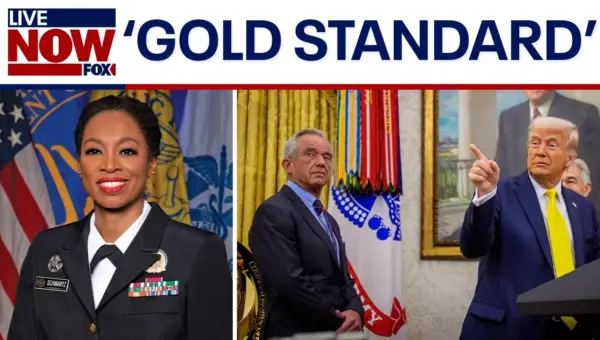
Trump Taps Dr. Erica Schwarz to Lead CDC Amid Midterm Push
President Donald Trump has nominated Dr. Erica Schwarz to lead the Centers for Disease Control and Prevention (CDC). The announcement, made on Truth Social, also included nominations for deputy directors and a senior counselor. This move aims to bring experienced leadership to the agency ahead of the midterm elections.

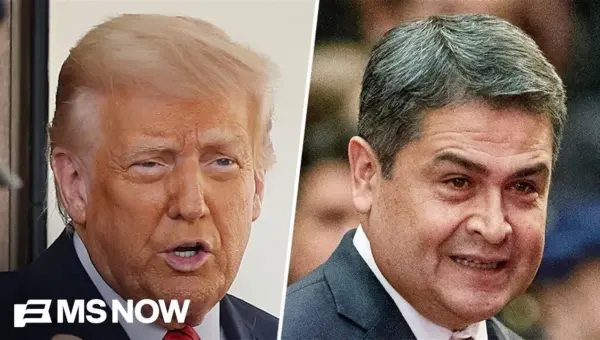
Trump Pardons Ex-Honduran President Convicted of Drug Trafficking
Former Honduran President Juan Orlando Hernandez, convicted of drug trafficking in the U.S., received a controversial pardon from former President Donald Trump. Prosecutors and legal experts criticize the decision, arguing it undermines the justice system and encourages further criminal activity.
Sykes: Trump Uses “Mass Distraction” Amid Global Conflict
Charlie Sykes described Donald Trump's rhetoric as a "weapon of mass distraction," arguing that it serves to divert attention from critical issues and policy debates. Sykes criticized Trump's demand for absolute loyalty, even from religious figures, and questioned the authenticity of religiously-based political justifications.