US Vows to Stop Any Ship Linked to Iran
The U.S. military is expanding its mission to intercept any ship linked to Iran, anywhere in the world. This move comes as a two-week ceasefire between the U.S. and Iran is past its halfway point. Tensions also remain high between Israel and Hezbollah in southern Lebanon.

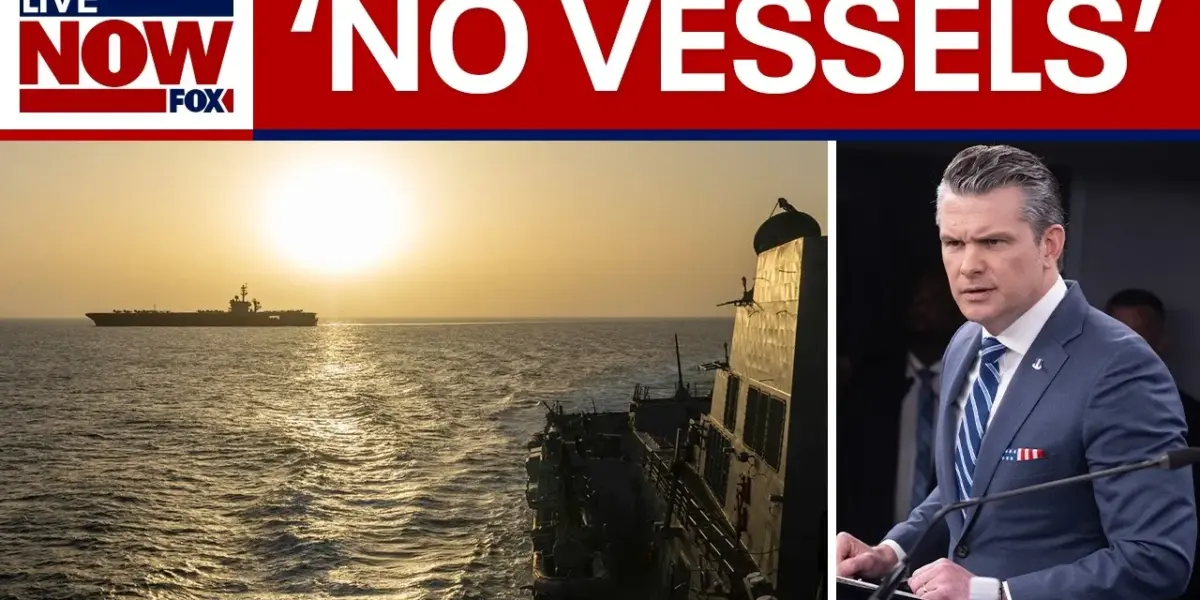
US Expands Efforts to Intercept Iran-Linked Ships
The United States military is broadening its reach beyond blockading Iran’s ports. Forces worldwide now have orders to stop any ship connected to Iran.
This includes vessels suspected of carrying supplies that could aid Iran’s military or economy. The directive signals a significant escalation in pressure on the Iranian government.
Broad Scope of New Interception Policy
The new policy casts a wide net, defining targets simply as “Iran linked ships.” This definition does not specify the ship’s flag, country of origin, or any other identifying details. This broad language suggests a wide range of vessels could be subject to interception.
“It just says Iran linked ships. It doesn’t say what flag.
Doesn’t say what country they’re from. Doesn’t say any of that, just says Iran linked ships.”
This move follows a previous incident where the U.S. sank an Iranian Navy ship with a torpedo. That event marked the first time the U.S. had used a submarine-launched torpedo to sink a ship since World War II. The current strategy, however, focuses on stopping and potentially boarding ships rather than immediate destruction.
Naval Operations and International Waters
U.S. Navy ships may attempt to stop vessels on the high seas or in areas not strictly defined as international waters. Every country has an exclusive economic zone (EEZ) extending 200 miles from its coast.
These zones often cover important shipping lanes, including the Strait of Hormuz, which is considered territorial water. While safe passage is generally allowed, Iran has been accused of obstructing this passage.
The U.S. could potentially stop Iran-linked ships in various oceans, including the Pacific and Indian Oceans. A recent mutual defense pact with Indonesia is noteworthy. Indonesia’s vast archipelago spans over 3,000 miles and includes a large EEZ.
This agreement might indicate Indonesia’s willingness to allow U.S. actions within or near its waters. Legal experts are expected to closely examine the implications of these operations in various maritime zones.
Ceasefire Efforts and Regional Tensions
Meanwhile, a two-week ceasefire in the Middle East is now past its halfway point. A key question is whether the U.S. and Iran can extend this truce.
A Pakistani delegation recently visited Tehran to discuss possibilities for an extension. The goal is to bring the U.S. and Iran together for further talks before the current ceasefire expires.
Northern Israel and Southern Lebanon Fighting
In northern Israel, near the border with southern Lebanon, tensions remain high. The Israeli Defense Forces (IDF) and Hezbollah have seen an increase in fighting.
President Trump recently announced a 10-day ceasefire agreement between Israel and Lebanon. However, Hezbollah is distinct from the Lebanese government.
Hezbollah has not officially commented on the ceasefire. One of its members of parliament stated that Hezbollah would abide by the agreement. However, this statement came with conditions.
The official added that Israeli forces should not operate anywhere in Lebanon, a point not included in the agreement. He also incorrectly linked this to the Iran-U.S. ceasefire, which is a separate matter.
Ceasefire Dynamics and Potential for Renewed Conflict
Under the terms of the Israeli-Lebanese agreement, the Lebanese government is responsible for controlling Hezbollah. If they fail to prevent attacks, Israel retains the right to respond.
Israel has not withdrawn its forces from southern Lebanon, maintaining their positions. While this is a classic ceasefire, Hezbollah’s actions remain unpredictable.
The situation with Iran’s ceasefire is also critical. The U.S. has not yet requested an extension. Significant economic pressure is being applied to Iran.
Reports suggest Iran’s economy could face severe shortages within three to four weeks if current conditions persist. The Iranian regime, though ideologically driven, faces challenges in making the concessions needed for a longer-term agreement.
“If Iran balks at sitting down at the negotiating table, if they do not agree to do that, then there’s a very high chance the U.S. will simply return to kinetic warfare.”
If Iran refuses to negotiate, the U.S. may return to military action. However, even if the ceasefire is extended, the economic blockade remains in effect. A blockade is technically considered an act of war.
Some international lawyers might argue that imposing the blockade after announcing the ceasefire could be seen as a violation. Nevertheless, the ongoing blockade continues to exert substantial economic pressure on Iran.
Looking Ahead
The coming weeks will be crucial. The primary focus will be on whether Iran agrees to further negotiations.
The outcome of these talks will determine if the ceasefire can be extended or if the U.S. will resume military operations. The effectiveness of the economic pressure on Iran also remains a key factor to watch.
Al Kemper, a retired marine intelligence officer and host of the Strat podcast, provided insights into the evolving situation. His analysis highlights the complex geopolitical and legal considerations at play.
Source: US vows to stop any ship tied to Iran amid blockade (YouTube)

Related Articles


US Troops Hungry Amidst Iran Tensions, Congress Questions Strategy
Reports indicate U.S. troops in the Middle East are facing hunger amid escalating tensions with Iran. While a ceasefire between Israel and Lebanon was announced, questions linger about its stability. Meanwhile, Congress is scrutinizing the Trump administration's strategy, troop welfare, and the potential politicization of military leadership.
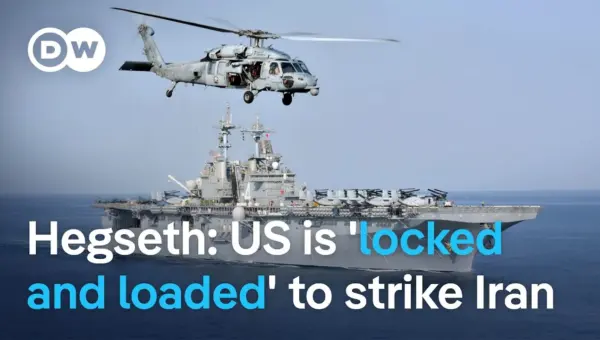
US Blockades Iran’s Oil: Economic Fury Unleashed
The United States has imposed a naval blockade on Iran's ports, intensifying economic pressure by targeting the country's vital oil exports. This move, part of "Operation Economic Fury," aims to cripple Iran's revenue streams and force concessions. Experts warn the blockade could severely choke off Iran's economy, impacting its ability to fund government operations and potentially leading to internal instability.


Trump Announces Israel-Lebanon Ceasefire Amid Rising Tensions
President Trump announced a new ceasefire agreement between Israel and Hezbollah, set to take effect immediately. The truce aims to de-escalate weeks of heavy fighting. The announcement comes as a US oil deal nears expiration, and global economic concerns, including rising gas prices, persist.