Pope and Trump Clash Over Iran’s Nuclear Ambitions
Pope Francis and then-President Donald Trump engaged in a public exchange regarding Iran's nuclear ambitions and the use of religion in politics. The Pope warned against manipulating faith for gain, while Trump defended his stance on preventing Iran from acquiring nuclear weapons. The discussion also touched upon past presidential approaches to foreign policy and religious engagement.

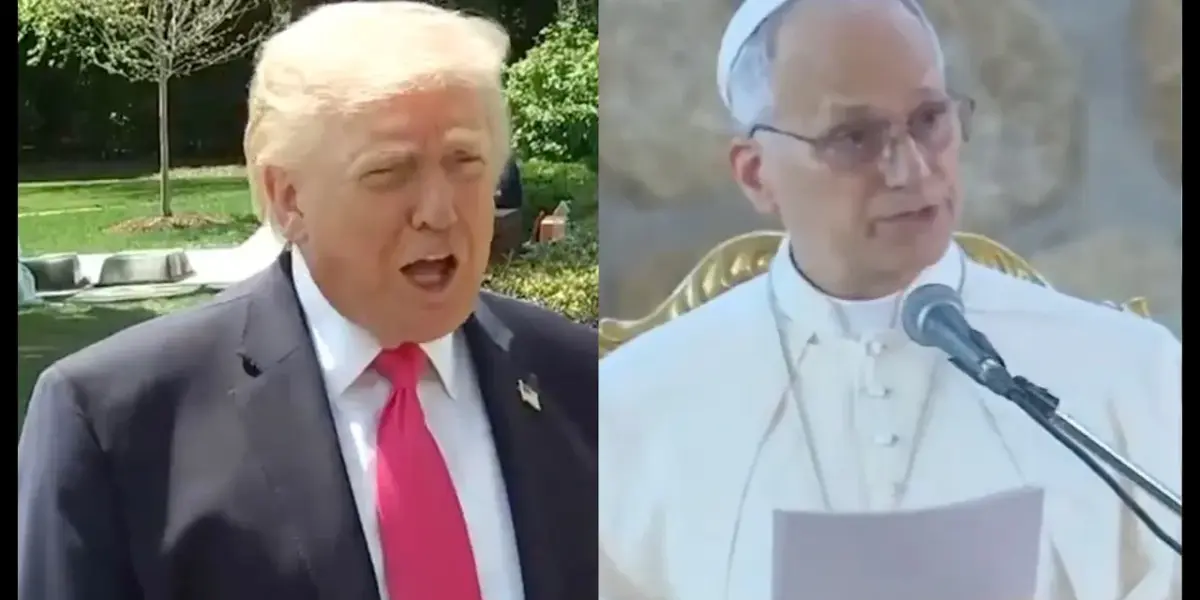
Pope and Trump Clash Over Iran’s Nuclear Ambitions
A notable exchange occurred on the world stage between Pope Francis and then-President Donald Trump, sparked by the Pope’s comments on the use of religion for political gain. The Pope, quoting Jesus, warned against those who “manipulate religion and the very name of God for their own military, economic, or political gain.” This statement appeared to be a veiled criticism of leaders who use faith to justify their actions.
Donald Trump responded directly to the Pope’s remarks, questioning who the Pope might be referring to. He stressed the importance of preventing Iran from acquiring nuclear weapons, stating that such a development would put every country, including Italy where the Vatican is located, in grave danger. Trump highlighted his administration’s efforts to maintain a blockade against Iran, asserting that they were making significant progress.
Trump’s Defense and the Iran Deal
Trump argued that Iran has a history of violence, citing the killing of 42,000 unarmed protesters. He insisted that Iran cannot be allowed to possess nuclear weapons due to the immense global risk. He also suggested that the Pope needed to understand this critical issue, framing his own actions as President as necessary for global security.
The commentary in the video pointed out that an agreement preventing Iran from developing nuclear weapons was already in place before Trump took office. The speaker suggested that Trump dismantled this deal, the JCPOA, not for strategic reasons, but because he disliked the leader associated with it. This action, the speaker claimed, cost Americans billions and was an example of partisan politics interfering with national security goals.
Religious Leaders and Political Actions
The discussion also touched upon a statement from a group of bishops who felt the focus should be on preaching the gospel, not just exercising political opinions. Trump countered by saying he is “all about the gospel” but cannot allow a country like Iran to obtain nuclear weapons. He believed that if Iran acquired them, they would use them, leading to millions of deaths.
Trump expressed confidence that Iran would not obtain nuclear weapons, as they had already agreed not to. He suggested that Pope Francis would be happy with this outcome. The video then contrasted Trump’s stance with his past reluctance to discuss specific Bible verses when asked about his favorite passages, questioning his depth of engagement with religious texts.
Obama, Trump, and Legacy
The video creator drew a comparison between Trump’s interaction with the Pope and former President Barack Obama’s expressed desire to meet Pope Francis. Obama had spoken positively about the Pope, describing him as someone who “walks the walk” and gets “his hands dirty trying to help people.” This was presented as a contrast to Trump’s approach.
The speaker suggested that Trump’s animosity towards Obama fuels his actions, including dismantling the Iran nuclear deal and challenging the ACA. Trump’s focus, according to this perspective, is often on undermining Obama’s legacy rather than on the well-being of Americans.
The video argued that Trump’s drive stems from a perceived need to outshine or diminish Obama, even if it means negative consequences for the country. This perspective posits that Trump’s actions are less about policy and more about personal rivalry and ego, a theme explored in the creator’s book, “The Day After: How to Wield Power in a PostTrump World.”
Why This Matters
This exchange highlights the complex intersection of religion, politics, and international relations. It shows how deeply held beliefs and political strategies can collide on the global stage. The differing approaches to foreign policy and the use of religious rhetoric by leaders like Pope Francis and Donald Trump offer insight into distinct leadership styles and their potential impact on international affairs.
Implications and Future Outlook
The public disagreement between a spiritual leader and a political leader, especially concerning matters of war and peace, raises questions about the role of faith in guiding national policy. It also highlights the ongoing debate about how religious principles should inform or influence secular governance. The continued tension between these perspectives suggests that such discussions will remain relevant in future political discourse.
The events described also point to a trend where political figures engage directly with religious leaders, sometimes in confrontational ways. This dynamic can influence public opinion and shape how religious communities engage with political issues. As international challenges evolve, the interplay between religious authority and political power will likely continue to be a significant factor.
Historical Context
Throughout history, religious figures and institutions have often played a role in political and social commentary. From medieval popes influencing monarchs to modern religious leaders advocating for social justice, their voices have carried weight. The current dynamic between the Vatican and political leaders reflects this long-standing tradition, albeit in a modern context shaped by global media and complex geopolitical issues.
The specific context of the Iran nuclear deal and the broader geopolitical tensions in the Middle East are crucial. The agreement itself was a product of years of international diplomacy, and its unraveling had significant consequences. Understanding this background is key to appreciating the gravity of the statements made by both the Pope and President Trump.
The video concludes by promoting the author’s book, which explores how power is wielded in politics. It offers a blueprint for progressives on how to use power effectively, suggesting that the ability to act decisively is crucial for achieving political goals. The book aims to provide strategies for those seeking to move beyond simply restoring the past and instead build a different future.
Source: BREAKING: The Pope CLAPS BACK at Trump as feud ERUPTS (YouTube)

Related Articles
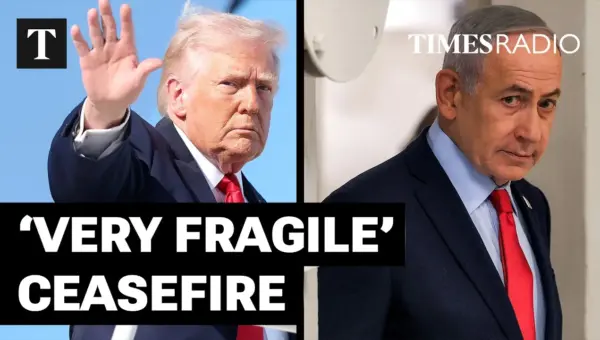
Israel-Lebanon Ceasefire Fragile Amidst Disagreements
President Trump announced a 10-day ceasefire between Israel and Lebanon, aiming for a historic meeting between leaders. However, the truce is fragile, with Israeli ministers reportedly angered by the announcement and Hezbollah signaling its intent to resist Israeli forces on Lebanese soil. The complex dynamics involving Hezbollah, a key spoiler, and shifting U.S.-Israel relations cast doubt on the ceasefire's long-term stability.
Trump’s Presser: Epstein, Pope, and a World in Turmoil
Donald Trump's recent press event saw him address the Epstein case, spar with the Pope over Iran's nuclear program, and discuss potential ceasefires. His remarks on survivor testimony and gas prices drew criticism. The event highlighted ongoing global tensions and differing perspectives on critical issues.
Trump Promises Answers on Missing Nuclear Scientists Within a Week
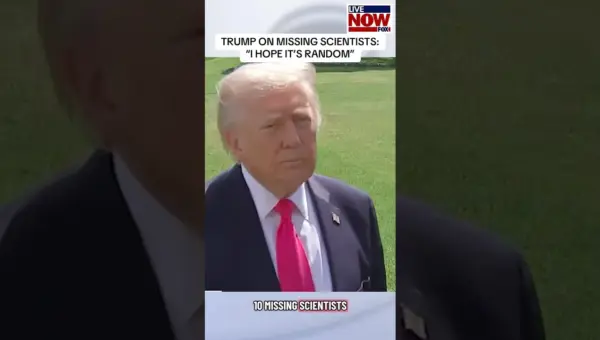
Former President Donald Trump expects to have answers within a week regarding ten scientists who have gone missing or died, many with access to nuclear and aerospace secrets. He acknowledged the seriousness of the situation, hinting at potential foreign adversary involvement while also referencing border security.