Mayor Slams Iran War’s Economic Pain on New Yorkers
New York City Mayor Eric Adams is criticizing the war in Iran for worsening the city's cost of living crisis. He highlighted the massive government spending on the conflict contrasts sharply with a lack of investment in working-class Americans. Adams echoed Tupac Shakur's sentiment that there's always money for war but not to feed the poor.

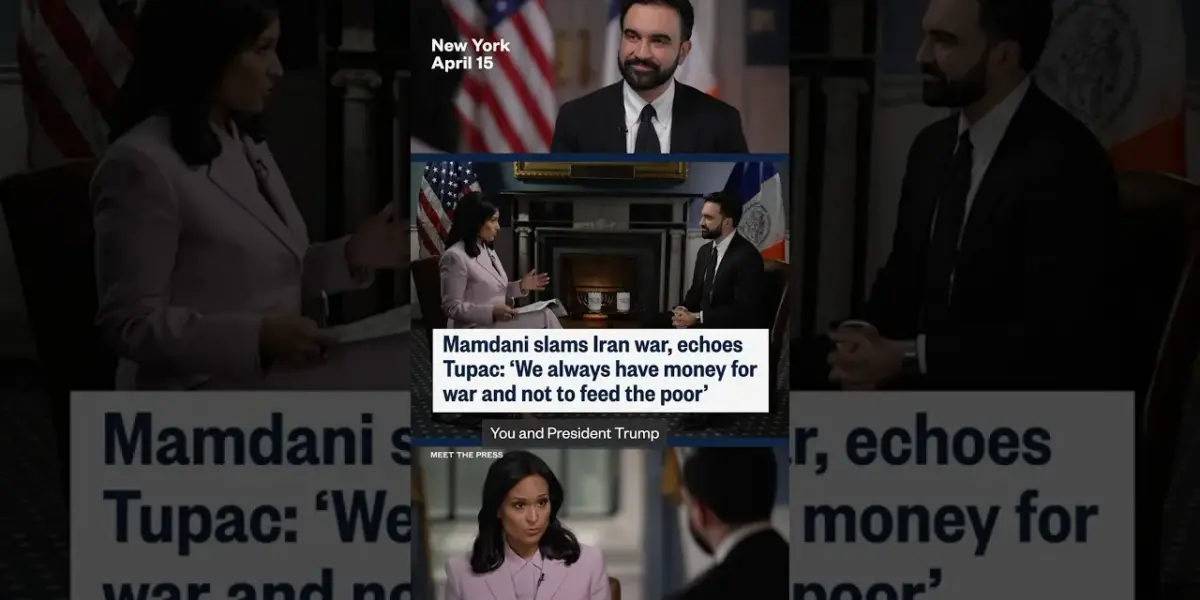
Mayor Criticizes Iran War’s Economic Impact
New York City Mayor Eric Adams is speaking out against the war in Iran, highlighting its severe economic toll on the city’s residents. Adams argues that the conflict has worsened an already difficult cost of living crisis for New Yorkers. He points to the war as a major factor driving up energy prices, which were already among the highest in the nation.
The mayor’s comments came in response to questions about rising energy costs. He stated that his administration is actively seeking ways to provide relief to New Yorkers.
This relief is needed because the high cost of living was a problem even before the current conflict began. New York City is widely known as the most expensive city in the United States.
Economic Costs of Conflict
Adams drew a direct line between the war and the financial strain on everyday citizens. He questioned the government’s priorities, citing massive spending on military action overseas.
The mayor noted that the federal administration has reportedly spent over $28 billion on the conflict in the Middle East. This spending has resulted in thousands of deaths.
At the same time, Adams highlighted a stark contrast. He pointed out that federal officials claim there isn’t enough money to invest in working-class Americans nationwide.
This disconnect between war spending and domestic investment is a key concern for the mayor. He feels this is a critical issue that affects everyone.
Echoes of Tupac’s Message
The mayor’s critique echoed the powerful words of the late rapper Tupac Shakur. Adams quoted Shakur’s famous line from the 1990s: “We always have money for war and not to feed the poor.” This sentiment, he lamented, remains painfully relevant today. The rapper’s words sadly continue to ring true for many struggling Americans.
Adams believes the war is not just a political or moral issue, but also an economic one. He emphasized that the decision to engage in conflict has direct financial consequences for ordinary people.
The war’s impact on oil prices, a critical commodity, directly affects household budgets. This is especially true in a city like New York, which relies heavily on energy.
Urgent Need for Relief
The mayor stressed the urgency of addressing these economic burdens. He indicated that his administration is exploring all available options to ease the financial pressure on New Yorkers.
This includes looking at energy costs and other essential expenses. The goal is to provide tangible help to residents facing rising bills.
Adams’ statements signal a clear call for a reevaluation of national spending priorities. He wants to see more resources directed towards supporting American citizens.
The current situation, he implies, is unsustainable and unfair to the working class. His focus remains on finding practical solutions for New Yorkers.
The conflict in Iran has triggered significant oil disruptions, impacting global markets. This has led to increased prices for gasoline and other energy sources.
New Yorkers are feeling these effects directly at the pump and in their utility bills. The mayor’s office is monitoring the situation closely.
Looking ahead, Mayor Adams is expected to continue advocating for economic relief measures. His administration will likely work with federal partners to explore policy changes.
These changes could aim to stabilize energy prices and support struggling households. The focus remains on making New York City more affordable for its residents.
Source: Mamdani slams Iran war, echoes Tupac: 'We always have money for war and not to feed the poor' (YouTube)

Related Articles
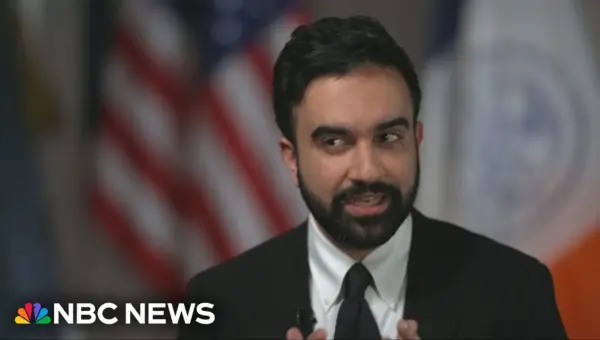
Mayor Slams Iran War Costs, Cites Tupac’s Plea for the Poor
New York City's mayor has sharply criticized the economic fallout from the Iran conflict, stating it worsens an existing cost of living crisis. He echoed Tupac Shakur's plea, "We always have money for war and not to feed the poor," questioning billions spent overseas while domestic needs go unmet. The mayor is exploring relief measures for New Yorkers facing high energy costs due to the war.


Record Heat, Severe Storms Slam Millions in US
Millions of Americans are facing record-breaking heat waves, while the Midwest battles severe storms, flooding, and tornadoes. Meanwhile, the war in Iran continues to draw international pressure for an exit strategy, and Wall Street experiences a historic surge despite economic uncertainties. In entertainment, a jury ruled against Live Nation and Ticketmaster for monopolistic practices, and the use of AI in Hollywood sparks controversy with a new film featuring an AI version of Val Kilmer.


Democrat Slams Trump, Vance for Attacking Pope Over Iran War
Democratic Congressman Greg Landsman calls attacks on Pope Francis by President Trump and Senator J.D. Vance "insane" amid the ongoing Iran conflict. Landsman, who now supports a War Powers Resolution, criticized the president's lack of clear communication and failure to build a coalition. He urged more people of faith to speak out against the war, echoing the Pope's call for peace.