US Senate Forum: Support for a Free, Non-Nuclear Iran
A US Senate forum focused on how America can support a free, non-nuclear Iran, featuring lawmakers and the NCRI. Speakers highlighted the Iranian regime's oppression and the organized resistance movement's role in seeking democratic change. The event underscored the need for international backing for the Iranian people's aspirations for freedom and human rights.

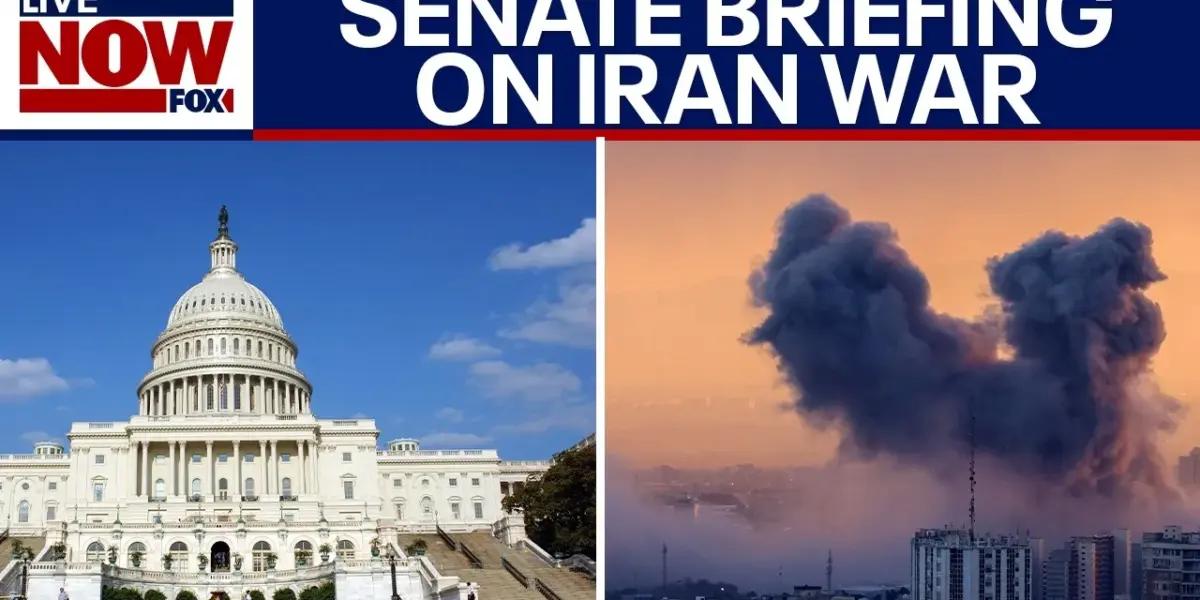
US Senate Forum Highlights Support for Free Iran
A crucial forum held in the US Senate brought together lawmakers and experts to discuss how the United States can support the Iranian people’s path toward a free and non-nuclear nation. Organized by the National Council of Resistance of Iran (NCRI), the event emphasized the urgent need for international backing for democratic aspirations within Iran.
Moderator’s Call for Justice
Mark Ginsburg, serving as moderator, opened the forum by welcoming attendees and stressing his long-standing commitment to a democratic Iran. He shared personal motivations rooted in family losses due to Iranian state-sponsored terror. Ginsburg highlighted the oppressive nature of the current Iranian regime, describing its leaders as “theopascists” who harm their own people and pose a threat to regional and global peace.
“The theopascists who maim and massacre their own people in the name of this mull theocracy and who have a blood lust for Israelis, for Sunni Arabs, and for America’s Jewish community must be brought to justice.”
Senator Tillis Champions Iranian Freedom
Senator Tom Tillis, a member of the Senate Committee on the Judiciary and co-chair of the bipartisan Senate Human Rights Caucus, addressed the forum. He expressed his belief that recent actions by President Trump could enable meaningful change in Iran. Senator Tillis emphasized the potential of Iran’s 92 million people and its rich history, stating that the majority simply desire peace.
He urged Congress to stand with the president and prioritize addressing the threat of nuclear weapons while simultaneously guiding Iran toward freedom. Tillis stressed the importance of democratic nations serving as a model for Iran, rather than countries like China, Russia, or North Korea. He also called for any agreement reached regarding Iran to be ratified by Congress to ensure its longevity beyond specific administrations.
NCRI Leader’s Vision for Iran
A video message from Madame Maryam Rajavi, leader of the NCRI, was presented. She acknowledged the recent ceasefire as a positive step toward protecting civilians and achieving lasting peace. Rajavi reiterated her call for an immediate halt to executions and recognition of the Iranian people’s right to overthrow the current regime.
Her 10-point plan, introduced in 2006, was highlighted as a blueprint for Iran’s future. This plan calls for a pluralistic republic based on the separation of religion and state, gender equality, abolition of the death penalty, peace, coexistence, and a non-nuclear Iran. Rajavi emphasized that true and lasting peace can only be achieved through the overthrow of the ruling religious dictatorship by the Iranian people and their organized resistance.
“The solution to the crisis in Iran lies in its people, in their courage and in their organized resistance. I call on all of you to support the Iranian people and think about regime change.”
Addressing the Human Rights Crisis
The forum also clarify the severe human rights abuses occurring within Iran. Speakers detailed the recent executions of political prisoners, including members of the NCRI’s domestic democracy movement and young protesters. The names of those executed were read, serving as a somber reminder of the regime’s repression.
The transcript described the executions as a tactic by the regime to create an atmosphere of terror and prevent further uprisings. It was noted that the regime fears its own people more than any external enemy, especially as the country faces ongoing conflict and internal dissent.
Call for International Support
The participants stressed that external military pressure alone is insufficient to bring about change in Iran. Instead, they pointed to the internal developments driven by the Iranian people and the organized resistance movement as the key to challenging the regime. The NCRI, through its organized resistance and leadership, was presented as a credible framework for a peaceful transition.
Senator Roy Blunt spoke about the significant changes that have occurred in Iran over the past year, including the targeting and weakening of the regime’s leadership. He noted that the surveillance systems used by the regime can also be exploited by adversaries. Blunt emphasized the importance of sustained internal opposition and the courage of young Iranians who are demanding a different future for their country.
The Path Forward
The forum concluded with a strong call for the international community to recognize the role of the Iranian people and their organized resistance. Participants urged lawmakers to focus their attention on supporting this movement, which they believe is essential for achieving democracy, stability, and peace in Iran. The event highlighted that the aspirations of the Iranian people for freedom are akin to the principles of the American Revolution.
Source: LIVE SOON: Senate briefing on Iran war (YouTube)

Related Articles

US Warns Iran: Deal or Face Military Action
The U.S. military is on high alert, warning Iran of potential action if diplomatic talks fail. Tensions are escalating in the Strait of Hormuz, with economic sanctions also being prepared as leverage. Mediators are working to secure a second round of negotiations, but the outcome remains uncertain.

Iran’s War Strategy Outlasts US Patience
Iran's strategy of prolonging conflict to outlast US patience is a key factor in current Middle East tensions. While President Trump seeks an end, Iran aims to inflict economic pain. This analysis explores the military warnings, political fallout, and economic vulnerabilities shaping the standoff.


Iran’s AI Trolls Trump With Viral Videos
Iran is using AI-generated videos, often with a playful Lego animation style, to mock Donald Trump and his family. These viral clips aim to portray Trump as weak and out of touch, turning his own social media tactics against him in a new form of digital warfare.