Hungary Ousts Putin Ally, Shifting EU Stance
Hungary's recent election ousted Viktor Orban, a key Putin ally, potentially altering the EU's stance on Russia and Ukraine. The new government may lift Orban's blockade on crucial aid for Ukraine. This shift comes amidst complex US-Iran negotiations and Ukraine's continued resilience on the battlefield.

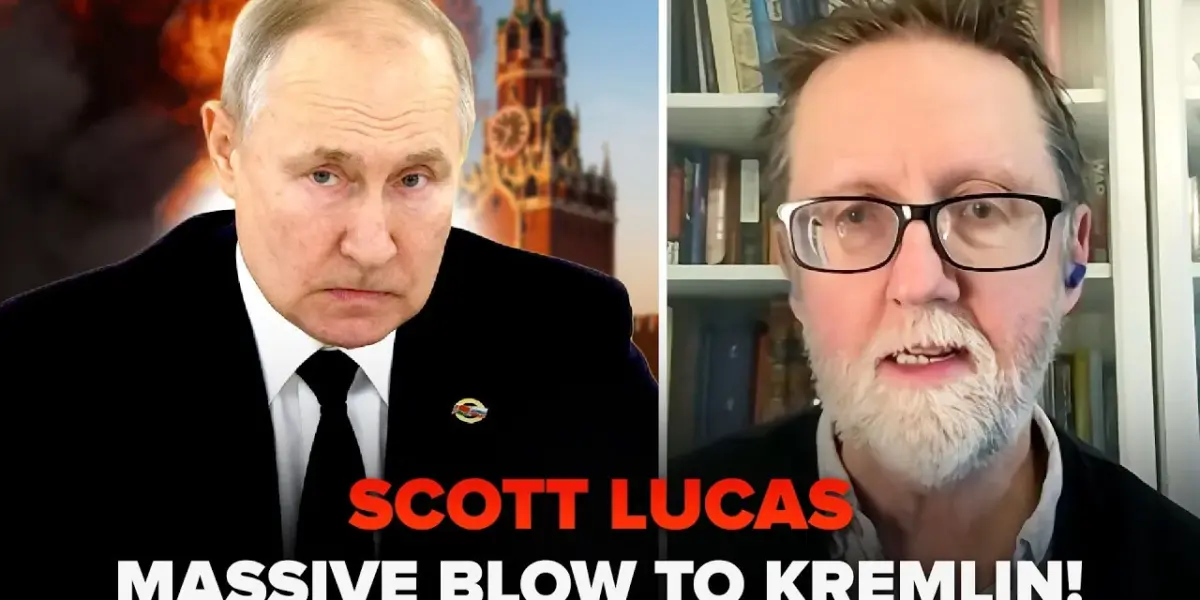
Hungary Ousts Putin Ally, Shifting EU Stance
Hungary’s recent general election has removed Prime Minister Viktor Orban from power after 16 years, marking a significant political shift with potential implications for Ukraine, Russia, and the European Union. The opposition alliance, Tisza, secured a supermajority, winning two-thirds of the parliamentary seats. This outcome means they can now dismantle legislation enacted during Orban’s tenure, which critics described as leaning towards authoritarianism.
The election result is seen as a crucial moment, not just for Hungary but also for European security. While the new government’s full stance on Ukraine remains to be seen, the immediate impact is the removal of Orban’s blockade on a 90 billion euro loan package for Ukraine, intended to finance support through 2027.
Orban had been obstructing this aid since December. The election also suggests a potential reduction in opposition to sanctions against Russia within the EU, though the new Hungarian leadership has not yet explicitly addressed this.
Impact on European Politics and Russia
The ousting of Orban removes a key ally for Russian President Vladimir Putin within the European Union. Orban’s government had been accused of maintaining close ties with the Kremlin, including allegedly sharing confidential EU information. New Hungarian Prime Minister Peter Magyar has indicated a shift away from such close collaboration with Moscow.
Professor Scott Lucas, an international politics expert at University College Dublin’s Clinton Institute, noted the Kremlin’s initial reaction, which included a refusal to congratulate the new government. Russian officials later adopted a more accommodating tone, expressing a desire to work with Hungary if it aligns with perceived national interests. However, the loss of Hungary as a consistent ally within the EU is considered a short-term setback for Russia’s strategic objectives.
Beyond Hungary, other countries like Slovakia, under Robert Fico, still maintain closer ties with the Kremlin. However, Hungary’s influence within the EU bloc was considered more substantial. The change in Budapest is expected to help the EU proceed more smoothly with supporting Ukraine without facing consistent delays and obstacles.
Broader Geopolitical Context
The election outcome also challenges the narrative of a sweeping global rise of hard-right populism. Orban was seen as part of an international network of right-wing politicians, including connections to figures like Donald Trump in the United States. His defeat, especially with a significant opposition win, questions the momentum of this political movement.
For Ukraine, while the election does not immediately accelerate its path to EU membership, it removes a significant hurdle to receiving vital financial aid. The new government’s approach to sanctions and future EU policies will be closely watched.
Ukraine War Negotiations and US-Iran Tensions
In a separate development, Ukrainian officials have expressed cautious optimism regarding peace talks with Russia. General Kyrylo Budanov, head of Ukraine’s military intelligence, suggested that both sides understand the need for the war to end and that a settlement may not be far off. However, experts interpret this as a strategic communication aimed at encouraging continued Western support, rather than an immediate reflection of Moscow’s willingness to negotiate on Ukraine’s terms.
The situation regarding US-Iran negotiations and maritime security in the Strait of Hormuz also remains complex. Reports indicate the US may be implementing a naval blockade on Iranian ports, a move intended to exert pressure. However, its effectiveness is debated, particularly given Iran’s control over the Strait of Hormuz, a vital chokepoint for global oil supplies.
The US strategy, particularly under the Trump administration, faces challenges in balancing pressure with the need for a diplomatic settlement. The economic implications of disrupting oil and gas shipments from the region are significant, potentially impacting global markets. The ability of the US to enforce such measures while also ensuring the free flow of energy from non-Iranian ports is a key question.
US Strategy and Future Outlook
US President Donald Trump faces a complex strategic situation, with critics arguing he is trapped by his own policy choices, including the approach to Iran and the broader Middle East. The administration’s handling of immigration, economic issues, and foreign interventions are also under scrutiny.
Regarding US-Ukraine relations, while Europe and Ukraine would welcome renewed, direct US military and financial support, the current US focus on the Middle East and its own internal political dynamics limit its immediate capacity. Ukraine and the EU are increasingly relying on their own resources and initiatives, such as the significant loan package for Ukraine, to maintain support and defense capabilities.
Despite challenges, Ukraine has demonstrated resilience, evolving from a defensive posture to exploring opportunities as an exporter of military technology. This shift, coupled with the political developments in Hungary, suggests a dynamic geopolitical environment where regional actors are increasingly shaping outcomes. The coming months will be critical in observing how these shifts influence ongoing conflicts and international relations.
Source: 💥Putin LOSES key ally — Russia’s ports ENGULFED in flames @WorldatStake24 (YouTube)

Related Articles


Russia Strikes Ukraine Amidst Escalating Conflict
On April 16, Russian forces launched a significant attack on Ukrainian territory, causing widespread destruction in residential areas. A family narrowly escaped tragedy when a second explosion collapsed their roof, but a young child's decision to sleep with his mother saved them from the direct impact.


Kyiv Hit by Deadly Russian Ballistic Missile Barrage
Russia launched a ballistic missile and drone attack on Kyiv, killing at least four people, including a child, and injuring 60. The strikes destroyed homes and businesses in a residential district, highlighting the ongoing human cost of the conflict.
Russia Purges Military Brass Amid Shifting Alliances
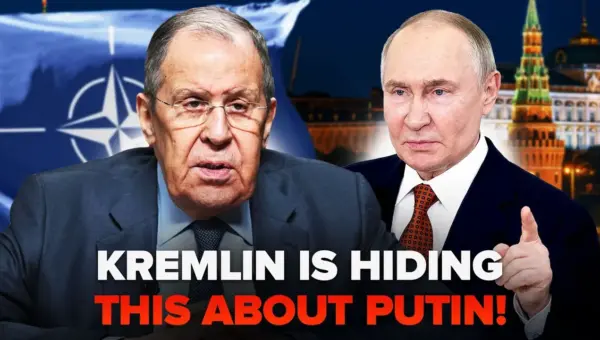
Russia's Foreign Minister Sergey Lavrov met with Chinese officials, claiming the U.S. is shifting its focus to China and burdening Europe with containing Russia. Meanwhile, Moscow faces internal purges within its military elite, with high-profile arrests and convictions on corruption charges. Ukraine seeks continued military support amidst growing global demand for air defense systems and its own production challenges.