Iran’s AI Trolls Trump With Viral Videos
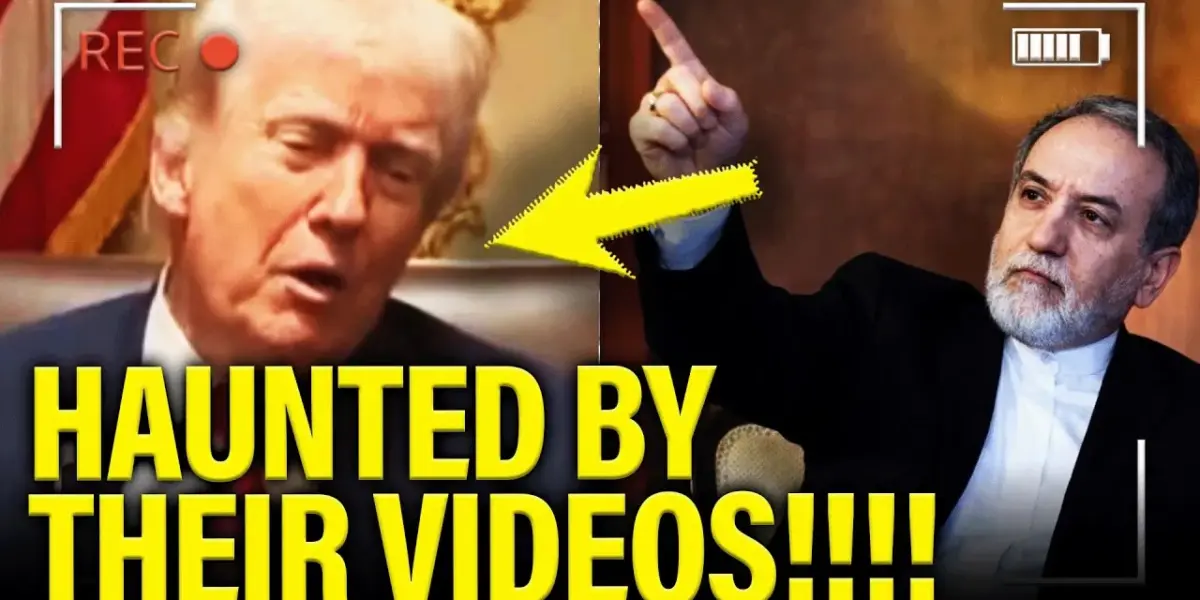
Iran is using AI-generated videos, often with a playful Lego animation style, to mock Donald Trump and his family. These viral clips aim to portray Trump as weak and out of touch, turning his own social media tactics against him in a new form of digital warfare.

Iran’s AI Trolls Trump With Viral Videos
Iran has found a new way to get under Donald Trump’s skin: using artificial intelligence to create mocking videos. These AI-generated clips, often using playful Lego-style animations, are targeting Trump and his family. The videos aim to portray Trump as weak and out of touch, a stark contrast to his usual online persona.
The Iranian content is creative and often uses humor to make its point. Some videos show Trump as a baby with a pacifier, playing video games.
Others depict him as a flawed messiah figure, even comparing him to the Antichrist. This digital counter-offensive is a clever way for Iran to push back against perceived U.S. pressure.
A Taste of His Own Medicine
Donald Trump is well-known for his aggressive use of social media to criticize opponents. He often uses memes and strong language to attack those he disagrees with.
Now, Iran is using similar tactics, turning Trump’s own methods against him. It’s a digital battle where wit and creativity can be powerful weapons.
The videos often feature controversial figures like Jeffrey Epstein and Ghislaine Maxwell, aiming to link Trump to scandals. They also mock claims of U.S. naval blockades, showing Iranian ships easily bypassing them. This suggests Iran is closely watching U.S. media and social media trends to craft its responses.
Mocking Melania and Family
The AI videos don’t shy away from targeting Trump’s family members. One series of videos, called “Epstein Queen,” specifically mocks former First Lady Melania Trump. These clips suggest a close relationship between Melania and Epstein, using parody to create damaging narratives.
The creators present these videos as protected by the First Amendment, calling them parody and opinion. However, the intent is clearly to create negative associations and undermine Trump’s image. This strategy uses personal attacks to achieve political goals.
Questioning Authority and Faith
Another common theme is the portrayal of Trump as a “Fake Jesus.” These videos contrast Trump with the Pope and the idea of true faith, suggesting he uses religion for political gain. They depict him as a false prophet, leading people astray with promises of healing while starting wars.
This approach aims to strip away Trump’s image as a strong leader or savior. By questioning his motives and his perceived divine connection, Iran seeks to diminish his influence. The videos suggest that Trump’s actions bring suffering, not salvation.
The Strait of Hormuz Gambit
A recurring element in the Iranian content is the Strait of Hormuz, a vital waterway for oil transport. Videos show countdowns and humorous attempts to control or open the strait. This highlights Iran’s strategic importance and its ability to disrupt global energy markets.
These clips serve as a reminder of Iran’s control over this critical chokepoint. They mock U.S. efforts to manage the situation, suggesting that Iran ultimately dictates terms. It’s a way to assert power and influence on the global stage.
U.S. Propaganda vs. Iranian Creativity
The transcript contrasts the creative and viral nature of Iran’s AI videos with what it calls “Trump regime propaganda.” These U.S. videos are described as weak and strange. One example is a video from the War Department claiming a swift and overwhelming victory over Iran’s military.
This comparison suggests a gap in effectiveness between the two sides’ communication strategies. Iran’s approach appears more dynamic and engaging, while the U.S. efforts are seen as more traditional and less impactful. The content creators claim Americans are turning to Iranian songs instead of their own news.
Monitoring U.S. Media Closely
Iran’s social media accounts are shown to be closely monitoring U.S. media and experts. They share clips of figures like Professor Jeffrey Sachs discussing Trump’s mental state. This shows an effort to use U.S. commentary to strengthen their own narratives.
By amplifying critical voices from within the U.S., Iran aims to add credibility to its criticisms. It suggests a sophisticated understanding of how to shape public opinion by using perceived internal dissent.
Iran’s Stance on Negotiations
The analysis also touches on Iran’s negotiating position. Iranian officials are quoted stating firm demands for any ceasefire or deal with the U.S. These include demands for Israel to cease actions against Hezbollah, Iran’s right to enrich uranium, and security guarantees for proxy groups.
This indicates that despite the digital sparring, Iran maintains a hard line in political and military matters. The videos, while mocking, are part of a larger strategy to project strength and influence negotiations.
Why This Matters
This digital conflict highlights a new front in international relations. Iran is using advanced AI and creative content to wage a psychological and informational war. It challenges the traditional power dynamics, where major nations typically control the narrative through state-backed media.
The effectiveness of these AI-generated videos suggests that information warfare is evolving rapidly. It shows how non-state actors or smaller nations can use accessible technology to compete with larger powers on the digital stage. This trend could lead to more complex and unpredictable global interactions.
Implications and Future Outlook
The use of AI in political messaging is likely to increase. We may see more nations and groups employing similar tactics to influence public opinion and discredit adversaries. This raises concerns about the spread of misinformation and the difficulty of discerning truth from fiction.
The ability to quickly generate viral content that mimics popular culture can be a powerful tool. It bypasses traditional media gatekeepers and speaks directly to audiences, often in ways that resonate more than formal government statements.
Historical Context
The relationship between the U.S. and Iran has been tense for decades, marked by political disputes and military standoffs. This digital campaign can be seen as an extension of that long-standing rivalry, adapted to the modern digital age.
In the past, propaganda often took the form of posters, radio broadcasts, or television commercials. Today, it has evolved into sophisticated AI-generated videos and memes that spread rapidly across social media platforms. This evolution reflects broader technological changes.
The Iranian content, particularly the “Epstein Queen” and “Fake Jesus” videos, uses themes that tap into existing cultural and political anxieties. By linking Trump to scandals and questioning his moral authority, Iran attempts to weaken his support base.
The creators of these videos state that their goal is to present a different perspective. They claim to be responding to what they see as U.S. aggression and propaganda. This digital back-and-forth shows how information can be weaponized in geopolitical conflicts.
As these AI tools become more sophisticated and accessible, the line between reality and fabrication will continue to blur. Nations and individuals will need to develop stronger critical thinking skills to navigate this evolving information environment.
Source: Trump LOSES IT as TABLES ARE TURNED by IRAN VIDEOS!!! (YouTube)

Related Articles

Senate Rejects Halting Iran Military Action
The U.S. Senate voted 52-47 against a resolution to halt further military action against Iran. This decision allows President Trump to continue current military operations. The vote comes as tensions with Iran remain high.

Trump’s Jesus Posts Spark Outrage, Reveal Deeper Issues
Donald Trump's recent AI-generated Jesus posts sparked outrage, serving as a distraction from economic woes and raising concerns about his mental state. Meanwhile, the handling of the Epstein files and public dissatisfaction with inflation highlight ongoing issues of transparency and economic fairness.
Iran War Strains US Power, Bolsters China’s Global Ambitions
The ongoing conflict with Iran has significantly weakened the United States' global standing and depleted its military resources. This has created an opening for China to expand its influence, potentially impacting the future of Taiwan. Analysts suggest the war may be a pivotal moment, marking a potential decline in American power.