Senate Rejects Halting Iran Military Action
The U.S. Senate voted 52-47 against a resolution to halt further military action against Iran. This decision allows President Trump to continue current military operations. The vote comes as tensions with Iran remain high.

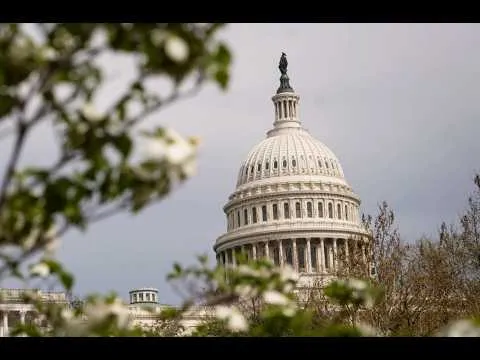
Senate Blocks Effort to Halt Iran Military Strikes
The U.S. Senate has voted against stopping further military action against Iran. The vote, which was 52 to 47, came just a week after President Trump agreed to a two-week pause in hostilities. This pause was meant to allow for more talks with Iran.
Senator Tammy Duckworth, a Democrat, led the effort to pass the resolution. Her legislation aimed to use the War Powers Resolution of 1973.
This law says a president must get approval from Congress for military action that lasts longer than 60 days. The president can ask for an extra 30 days if they say it’s absolutely necessary for the military.
Today’s vote happened 47 days after President Trump first ordered strikes against Iran. The U.S. military is also currently blocking ports in Iran. This means ships cannot enter or leave Iranian ports freely.
Understanding the War Powers Resolution
The War Powers Resolution was passed in 1973. It was a way for Congress to limit the president’s power to commit U.S. forces to armed conflict. Before this law, presidents could send troops into battle without a formal declaration of war.
The resolution requires the president to notify Congress within 48 hours of committing armed forces. It also sets a 60-day limit on military deployments without congressional approval. This limit can be extended for another 30 days if the president certifies it’s needed.
The Vote’s Context
The Senate’s decision to reject the resolution means the president can continue military actions against Iran without immediate congressional limits. This vote reflects ongoing debates about presidential war powers.
It also comes at a time of heightened tensions between the U.S. and Iran. The specific actions leading to this vote, like the strikes and port blockade, are part of that tense situation.
Why This Matters
This vote is important because it shows Congress’s divided stance on presidential authority in military conflicts. It allows the current administration to continue its actions against Iran without immediate checks from the Senate. The War Powers Resolution was designed to give Congress more say in decisions about war.
The Senate’s vote suggests that, in this instance, they chose not to exercise that power to its fullest extent. This could set a precedent for how Congress responds to future military actions by the executive branch.
Implications and Future Outlook
The rejection of the resolution could mean continued U.S. military involvement in the region. It might also signal a lack of strong congressional opposition to the current foreign policy towards Iran. The 60-day clock under the War Powers Resolution is ticking.
The administration will need to decide soon whether to seek further authorization or end the military actions. This situation highlights the ongoing struggle between the executive and legislative branches over war-making powers. Future actions will depend on diplomatic developments and the administration’s strategy.
The Senate’s vote on October 14, 2019, was a clear signal. It showed a lack of consensus on limiting the president’s military options.
The 47 votes in favor of the resolution indicated significant opposition, but not enough to pass. The next steps will likely involve continued diplomatic efforts and potential further actions by the president.
Source: Senate Rejects Resolution to Block Further Military Action Against Iran (YouTube)

Related Articles

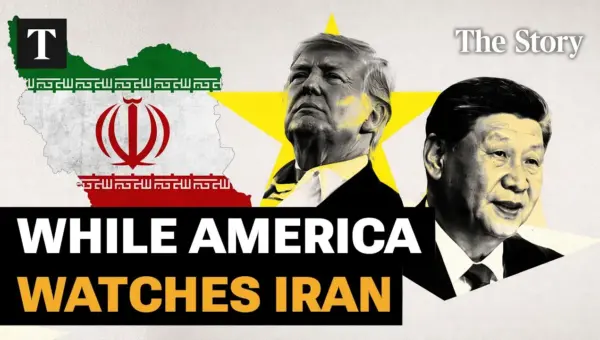
Iran War Strains US Power, Bolsters China’s Global Ambitions
The ongoing conflict with Iran has significantly weakened the United States' global standing and depleted its military resources. This has created an opening for China to expand its influence, potentially impacting the future of Taiwan. Analysts suggest the war may be a pivotal moment, marking a potential decline in American power.
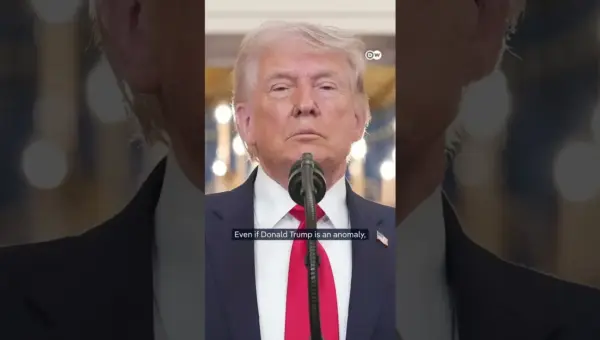
US Acts Like Rogue State, Threatens Global Peace: Analyst
An analyst argues the United States is acting like a "rogue state," threatening global peace and economic stability with its actions. This behavior is seen as impulsive and predatory, even towards allies. While past U.S. administrations have seen image recoveries, future trust may be harder to regain due to unpredictable policy swings.

US Imposes Naval Blockade on Iran Amid ‘Operation Epic Fury’
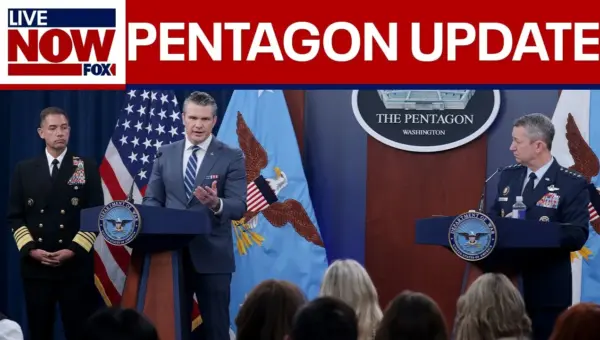
The U.S. has implemented a naval blockade against Iran as part of 'Operation Epic Fury,' aiming to pressure the Iranian regime while maintaining combat readiness. Officials revealed the operation includes an 'ironclad blockade' and a direct message to Iran's leadership about dwindling military capabilities. The U.S. Navy is enforcing the blockade on all ships entering or leaving Iranian ports, with escalating force options available.