US Blocks Iranian Ports, Sparks Tensions; Severe Weather Hits Midwest
The U.S. has imposed a blockade on Iranian ports, escalating regional tensions and drawing threats of retaliation. Meanwhile, severe weather, including flooding and tornadoes, has struck the Midwest, while a heatwave grips the East Coast. In a major legal development, Live Nation, owner of Ticketmaster, was found liable in an antitrust case, potentially leading to significant changes in ticket pricing.

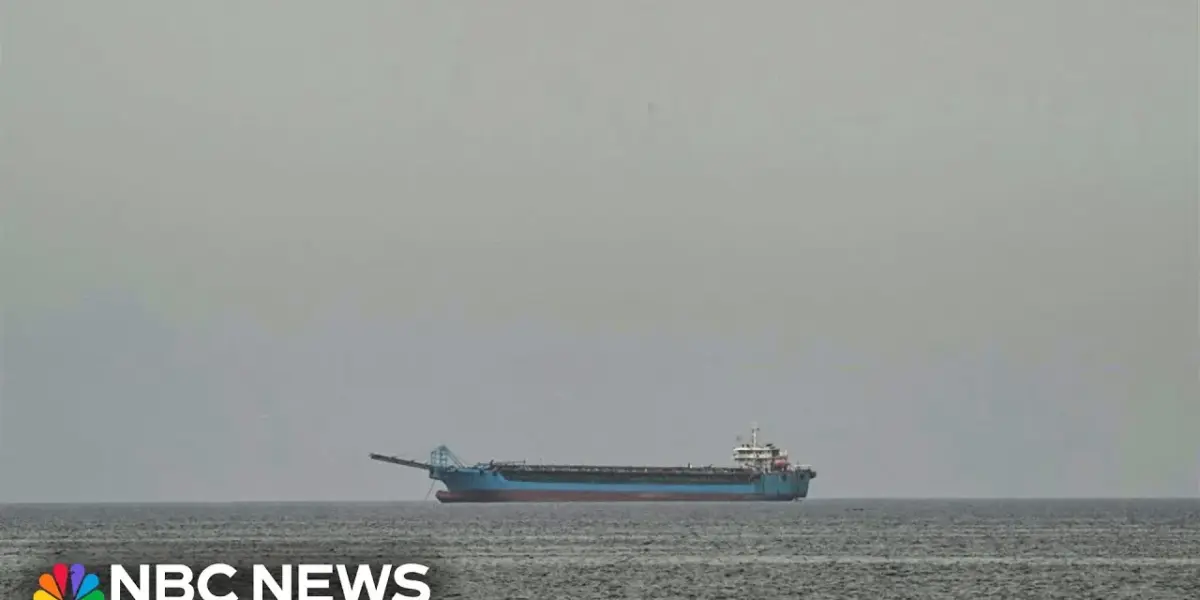
US Imposes Port Blockade on Iran Amid Rising Tensions
The United States has initiated a blockade on Iranian ports, a move that has significantly escalated tensions in the Middle East. This action, which began Monday, has already seen ten ships turned back. The U.S. military has described the operation as “fully effective” in the Red Sea, signaling a firm stance against Iran.
Iranian officials have strongly condemned the blockade. A commander from Iran’s Islamic Revolutionary Guard Corps (IRGC) has threatened retaliation, calling the U.S. action a violation of a temporary ceasefire agreement. This commander also warned that Iran might disrupt other vital waterways if the U.S. continues its current course.
Peace Talks and Diplomatic Maneuvers
Amidst this heightened military activity, diplomatic efforts are also underway. Two people familiar with the negotiations told NBC News that in-person talks between the U.S. and Iran are scheduled for this week. Mediators are reportedly in Tehran with the goal of strengthening the existing ceasefire and encouraging further dialogue.
Iran’s Foreign Ministry spokesperson indicated that the country feels positive about the prospects of a deal, stating it is in Iran’s best interest to meet the president’s demands. However, the situation remains volatile, especially concerning the critical Strait of Hormuz, a key shipping route.
Israel-Lebanon Contact and War Powers Resolution
In parallel diplomatic developments, leaders from Israel and Lebanon are expected to speak by phone for the first time in decades. This contact, confirmed by Israel, represents a significant, albeit indirect, engagement between the two nations. An Israeli security cabinet member noted that Prime Minister Benjamin Netanyahu has been pushing to include Lebanon in broader ceasefire discussions.
Meanwhile, in the U.S. Congress, a War Powers Resolution aimed at preventing further military action in Iran without congressional approval is being pushed by Democrats. They vow to continue forcing votes on the resolution weekly until Republican colleagues join them. While some Republicans have expressed reservations about the war’s duration and potential costs, the majority appear to still support President Trump’s actions.
Federal Reserve Chair Faces Political Pressure
Federal Reserve Chair Jerome Powell is also facing political scrutiny as his term expires next month. President Trump has publicly criticized Powell, calling his actions politically motivated and suggesting he won’t leave the board until an investigation is complete. Trump has expressed a desire to fire Powell, though existing rules limit firing for policy differences or malfeasance.
The situation is complicated by the fact that if Congress fails to confirm a replacement, Powell could remain in his position even after his term ends. This uncertainty adds another layer of complexity to the economic and political landscape.
Stock Market Reaches Record Highs Amid Economic Uncertainty
Despite the geopolitical tensions and political pressures, the stock market has shown remarkable resilience. The S&P 500 and Nasdaq closed at record highs recently. Corporate profits are looking strong, with expectations of significant growth quarter-over-quarter and year-over-year.
This performance has led some analysts to suggest that investors should remain invested in the stock market, particularly in large-cap stocks that have performed well over the past decade. While oil prices remain a concern, with prices around $92 a barrel, the average gas price across the country is holding steady around $4.09. This bifurcation between the stock market’s performance and broader economic concerns is a key point of discussion among experts.
Midwest Hit by Severe Flooding and Tornadoes
The heartland of America is grappling with severe weather. Heavy rains in Wisconsin and Michigan have caused major flooding, washing away roads and stranding residents. In some areas, officials issued urgent evacuation orders, warning that rescue services might not be able to reach those who do not leave immediately.
The storms also brought dangerous tornadoes, with winds reaching up to 125 miles per hour. One resident described their camper being flipped upside down, expressing gratitude for being safe. Cleanup crews are now working to restore power and assess the extensive damage caused by the extreme weather.
Heatwave Grips Eastern and Southern US
In contrast to the Midwest’s severe weather, a significant heatwave is affecting the Eastern and Southern United States. Temperatures are expected to feel like summer, with many areas experiencing highs in the 90s. This high-pressure system is also bringing increased moisture, raising the potential for severe weather in some regions.
Cities like Philadelphia, Washington D.C., and Savannah are bracing for the heat, with temperatures expected to flirt with record highs through the weekend. While the Northeast will see some rain, the primary concern for much of the East Coast and South remains the intense heat.
Live Nation/Ticketmaster Faces Antitrust Verdict
In a significant legal victory for consumers, Live Nation, the parent company of Ticketmaster, has been found liable in an antitrust case. A jury delivered a verdict against the company, which has often been criticized for its high ticket prices and business practices. This ruling is considered a major win for 34 states that brought the lawsuit.
The jury also determined that fans were overcharged by Ticketmaster. The potential remedies could range from breaking up the company to imposing monetary penalties. Live Nation has denied wrongdoing, but the verdict could lead to substantial changes in how tickets are sold and priced in the future.
The court is now tasked with determining the specific remedies, which could involve significant financial penalties or structural changes to the company. This case represents one of the most significant antitrust actions in decades and could reshape the live entertainment industry.
Source: This Morning’s Top Headlines – April 16 | Morning News NOW (YouTube)

Related Articles

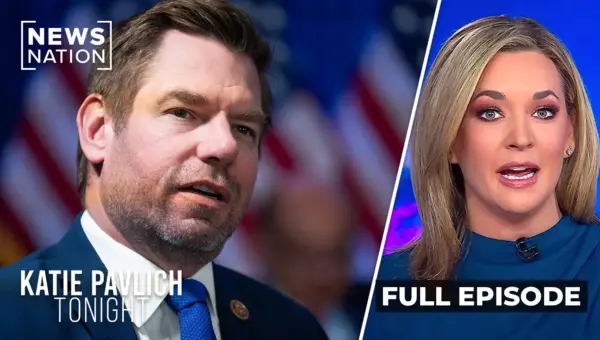
US Oil Dominance Surges Amidst Global Tensions, Swalwell Resigns
The US is experiencing a surge in oil exports and implementing a blockade on Iranian ports, signaling a potential return to energy dominance. This comes as Congressman Eric Swalwell resigns amid serious misconduct allegations and faces criminal investigation. The dual developments highlight significant shifts in both global strategy and domestic politics.
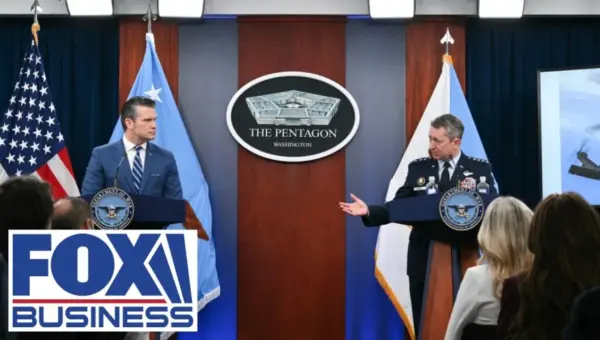
US Navy Maintains Ironclad Blockade on Iran
The U.S. Navy has implemented a strict blockade on Iran's ports, restricting all ship traffic to and from the country. This move is part of Operation Epic Fury, aimed at pressuring Iran to agree to a deal. Military officials emphasized readiness to resume combat operations if necessary and highlighted the strength of U.S. naval power and regional partnerships.

US Blockades Iranian Ports Amid Escalating Tensions
The United States has initiated a naval blockade on Iranian ports and coastline, escalating tensions in the Middle East. Iran has responded with threats of retaliation and accusations of violating ceasefire agreements. The operation, termed 'Operation Epic Fury,' involves a significant U.S. military presence and aims to cut off vital resources to Iran.