Trump Faces Backlash: Iran War, Pope Spat Risk Base Support
President Trump is facing growing challenges as the Iran conflict and controversial public statements strain his relationship with core supporters. His political future is being scrutinized amid parallels drawn to allies' recent electoral defeats and concerns over his foreign policy approach.

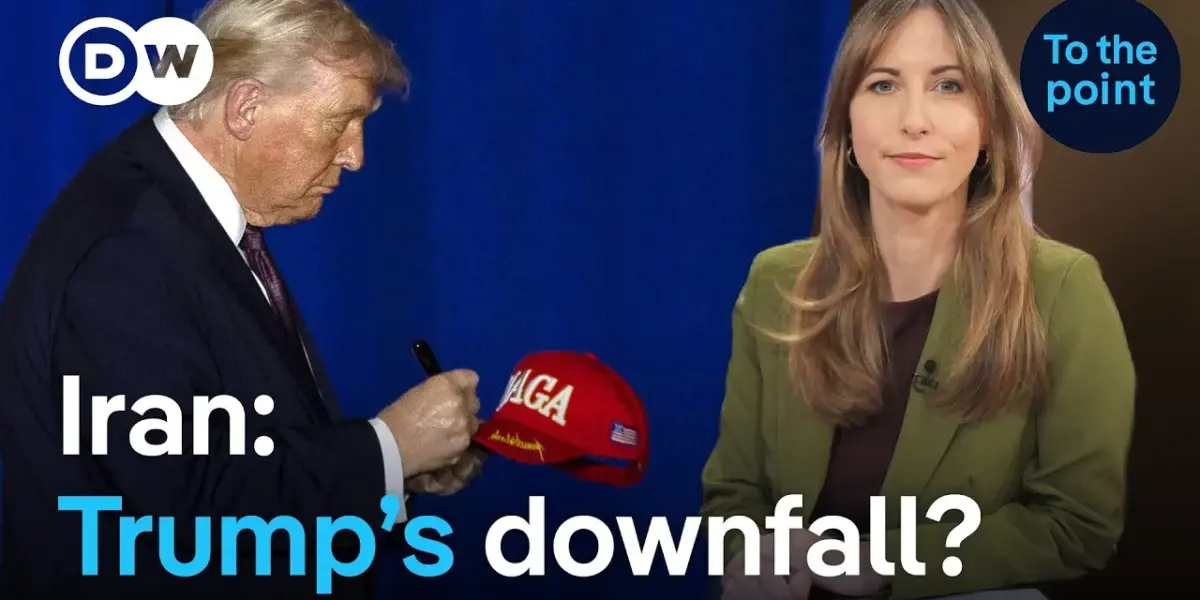
Trump’s Political Tightrope: Iran War and Controversial Stances Test Core Support
President Donald Trump is facing a critical period as recent actions, including the ongoing conflict in Iran and public disputes with religious figures, threaten to alienate key segments of his voter base. These challenges come as analysts draw parallels between his political struggles and those of his allies abroad, raising questions about his political future and the stability of his “America First” agenda.
Iran Conflict Sparks Concern and Division
The military engagement in Iran has become a focal point of criticism, with some experts deeming it a significant misstep in Trump’s presidency. Initial expectations of a swift intervention leading to regime change have not materialized, leaving the administration seeking an exit strategy from a conflict that is proving difficult to manage. The war has not only impacted global markets but has also begun to create rifts within Trump’s loyal supporters, many of whom are wary of increased U.S. involvement in Middle Eastern conflicts.
During a discussion on the conflict, journalist Eric Kershbam noted, “The jury is out. The US and Israel have dominated Iran. The air force is destroyed.
The navy’s destroyed.” However, he also suggested that the immense economic pressure applied through restricting oil exports could push Iran toward negotiations for a deal that lifts sanctions. This perspective contrasts with others who view the war as a failure to achieve primary goals such as regime change or dismantling Iran’s nuclear capabilities.
“I think the war is a huge mistake. It would be probably go down as the biggest mistake of his presidency,” stated Vendelene Fondredo, Senior Germany Correspondent for The Economist. “He thought it would be a bit like Venezuela in and out.
You know, he would come in, you know, with overwhelming force, trigger regime change, and then he would be out and he would be seen as the great victor. And that didn’t work out.”
Religious Outreach and Political Fallout
Adding to the political pressure, President Trump has recently engaged in public spats with religious leaders, including Pope Francis. An AI-generated image, later deleted, that appeared to depict Trump as Jesus Christ also drew criticism from religious voter groups. These actions risk alienating crucial parts of his base, particularly Catholic voters, who have historically been a significant bloc of support for the president.
“Not really. Not at all,” responded Kershbam when asked if Trump could afford to alienate Catholic voters.
He highlighted that 55% of Catholics supported Trump in a previous election, making them an important voting bloc. The president’s engagement with the Pope, an American pontiff, has been described as absurd by some, particularly given Trump’s focus on issues like crime and his past promises to religious voters regarding the Supreme Court.
Echoes of Orban’s Defeat: Lessons for Trump?
The recent electoral defeat of Hungarian Prime Minister Viktor Orbán, a close ally of President Trump, has led to comparisons and analysis of potential lessons for the U.S. president. Orbán, who championed a model of “illiberal democracy,” was unseated after 16 years in power by a challenger who focused on anti-corruption efforts and domestic economic issues.
Malte Lehming, a journalist with German newspaper Tagesspiegel, observed, “He underestimated his opponent, right, who was very relatively new on the scene. He’s a former fetus member and he just for months or even for the entire last year he didn’t think he could really challenge him.” Lehming also pointed to Orbán underestimating how “fed up Hungarians were with the corruption, with the poor state of the economy.” These factors are seen as potential warning signs for Trump, whose populist appeal relies heavily on voter satisfaction with economic conditions and perceptions of corruption.
Eric Kershbam characterized Orbán’s defeat as a “huge victory for democracy,” suggesting that despite attempts to alter the political landscape, voters ultimately made their decision. He expressed optimism that similar democratic resilience would prevail in the United States. The defeat also signifies a loss of a key European ally for Trump, impacting his international standing and the broader “America First” narrative.
Unpredictable Diplomacy and Future Outlook
President Trump’s foreign policy approach is often characterized by its unpredictability, a strategy some refer to as the “madman theory” to keep adversaries off balance. However, this approach has also led to criticism and concern among U.S. allies, particularly in Europe, who have expressed skepticism about Trump’s commitment to international partnerships like NATO.
The discussion highlighted concerns that Trump’s rhetoric, including the use of profanity and threats of widespread destruction, is not only embarrassing but also risks alienating a broad spectrum of voters. As the midterm elections approach and the situation in Iran remains fluid, President Trump faces the challenge of navigating these complex issues without further eroding his political base. The coming months will be crucial in determining whether these challenges represent temporary setbacks or a more profound unraveling of his political movement.
The focus now shifts to how President Trump addresses the ongoing Iran conflict, manages domestic political pressures, and rebuilds potential bridges with alienated voter groups. The outcome of these efforts will significantly shape the political landscape leading up to future elections.
Source: Trump’s Iran trap — is the US president fueling his own downfall? | To the Point (YouTube)

Related Articles

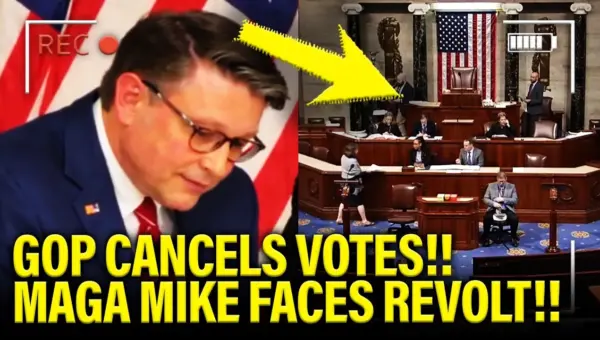
Speaker Johnson Cancels Votes Amidst GOP Turmoil
House Speaker Mike Johnson canceled votes amid internal GOP pressure, fueled by poor polling for Donald Trump and fears of electoral defeat. Democrats criticize the rebranding of a tax bill and question executive funding decisions, highlighting deep divisions within the Republican party.
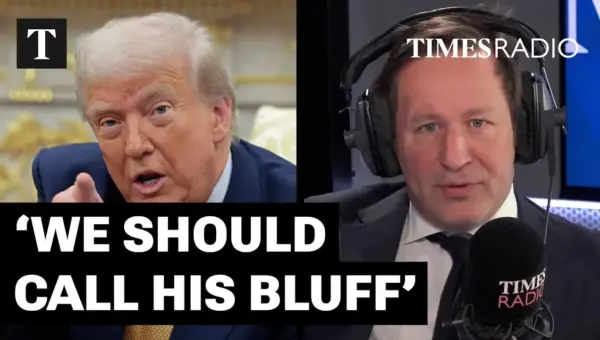
UK Leader Challenges Trump on Iran War Decision
British Chancellor Rachel Reeves has criticized the US decision to end talks with Iran and enter into conflict, calling it a "folly" without a clear exit plan. Experts suggest countries should "call Trump's bluff," citing European examples of asserting independence amid global tensions and potential economic fallout.

Trump Threatens UK Trade Deal, Fuels Defense Spending Debate
Former U.S. President Donald Trump has threatened to revise the trade deal with the UK, drawing criticism for his unpredictable approach. Meanwhile, UK Chancellor Rachel Reeves has labeled the Iran conflict a mistake, citing economic instability and a lack of clear objectives. The nation also faces an intensifying debate over defense spending amid rising global tensions and a need for a clear investment strategy.