US Acts Like Rogue State, Threatens Global Peace: Analyst
An analyst argues the United States is acting like a "rogue state," threatening global peace and economic stability with its actions. This behavior is seen as impulsive and predatory, even towards allies. While past U.S. administrations have seen image recoveries, future trust may be harder to regain due to unpredictable policy swings.

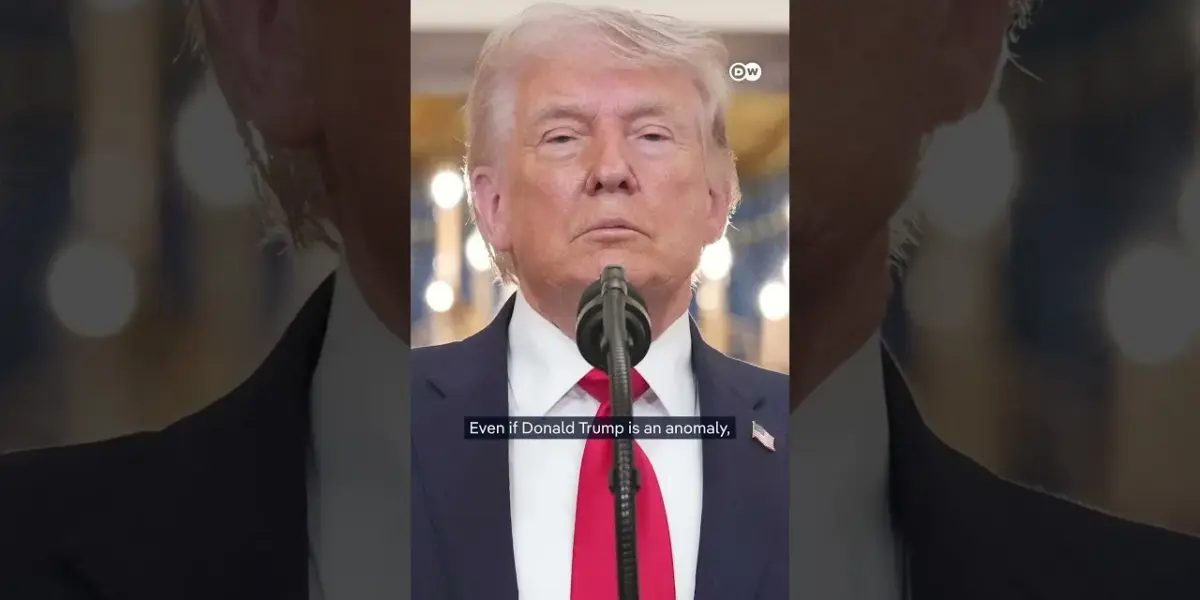
US Actions Spark ‘Rogue State’ Accusations Amid Global Tensions
A prominent analyst is arguing that the United States is currently behaving like a “rogue state.” This label suggests the U.S. is acting as a threat to international peace and security. The analyst points to recent actions, particularly those affecting global economic stability, as evidence of this dangerous shift in foreign policy. This perspective challenges traditional views of American leadership on the world stage.
The term “rogue state” traditionally describes nations that disregard international norms and pose a danger to global stability. Such states often act in ways that threaten peace and security. The analyst believes the U.S. now fits this description, citing its role in conflicts that have worldwide economic impacts.
These actions, they argue, threaten the interests of many nations. The U.S. has also shown a significant lack of concern for international laws and customs. This behavior is compared to that previously seen from countries like North Korea, Iraq, or Libya under Muammar Gaddafi.
Global Perception Shifts: Impulsive, Erratic, Predatory?
Other countries now view the United States as impulsive, erratic, and predatory, according to the analyst. This perception stems from the U.S. frequently shifting its foreign policy goals. The “predatory” aspect represents a notable change in American strategy.
It suggests the U.S. is not only seeking to gain advantages over adversaries but also over its own allies. This approach aims to exploit opportunities at every turn, regardless of established relationships.
This shift in perception is concerning for international relations. When a nation’s actions are seen as unpredictable, it erodes trust. Allies may begin to question the reliability of the U.S. as a partner.
The feeling of being taken advantage of can strain even long-standing alliances. This could lead to a re-evaluation of global partnerships and security arrangements.
Can Allies Forgive and Forget? A Question of Trust
Even if Donald Trump’s presidency was an exception, a question remains: can U.S. allies truly forgive and forget these perceived transgressions? Historically, when the U.S. elects new leaders, its global image tends to improve. For instance, the U.S. image was quite low at the end of the George W.
Bush administration. However, it significantly improved with the election of Barack Obama. A similar rebound occurred when Joe Biden was elected after Trump’s first term.
There is a possibility for recovery, especially if a new administration communicates the right messages and ceases predatory behavior. However, this time may be more challenging. Other nations now have to consider the possibility of future policy swings.
The constant back-and-forth between different extremes makes long-term planning difficult. This uncertainty forces countries to hedge their bets and reduce their reliance on American support.
Economic Ramifications and Shifting Alliances
The economic consequences of actions labeled as “rogue” can be far-reaching. Disruptions in international relations can lead to instability in global markets. This instability affects everything from trade to energy prices.
When a major global power acts unpredictably, it creates ripple effects across the world economy. Businesses and governments alike struggle to adapt to the changing environment.
The analyst’s assessment suggests that allies are becoming wary of their dependence on the U.S. This wariness could lead to diversification of partnerships and a strengthening of regional alliances. Countries may seek to build more self-reliant defense and economic structures.
This trend could reshape the global balance of power in the coming years. It highlights the importance of consistent and predictable foreign policy for maintaining international trust and stability.
Looking Ahead: The Future of US Global Standing
The coming months and years will be crucial in determining the future of America’s global standing. Whether the U.S. can regain the trust of its allies and re-establish itself as a reliable international partner remains to be seen.
The analyst’s critique is a stark warning about the potential consequences of perceived erratic and predatory foreign policy. The world watches to see if a course correction is possible or if the trend towards greater global skepticism will continue.
Source: Has the US become a rogue state? | DW News (YouTube)

Related Articles
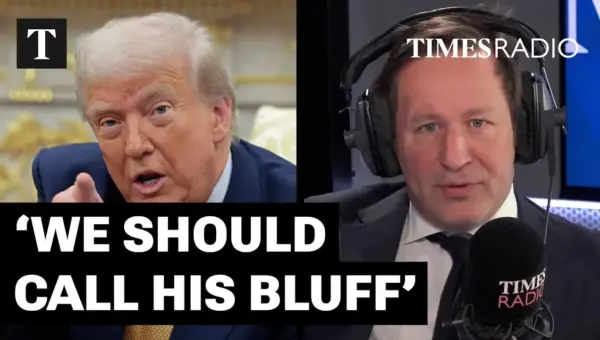
UK Leader Challenges Trump on Iran War Decision
British Chancellor Rachel Reeves has criticized the US decision to end talks with Iran and enter into conflict, calling it a "folly" without a clear exit plan. Experts suggest countries should "call Trump's bluff," citing European examples of asserting independence amid global tensions and potential economic fallout.

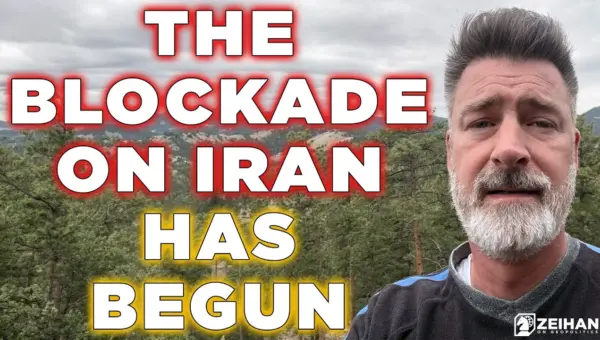
US Tightens Grip: Iran Blockade Targets Revolutionary Guard
The United States has initiated a naval blockade of Iran, targeting the revenue streams of the Islamic Revolutionary Guard Corps (IRGC). This strategy aims to halt Iran's oil exports and smuggling operations, applying direct financial pressure. While the blockade presents challenges, including potential Iranian retaliation and land-based supply routes, it marks a significant escalation in U.S. policy.
US Demands UN Return to Roots, Fight China’s Grip
The US is pushing for significant reforms at the United Nations, aiming to refocus the organization on peace and security. Key goals include countering Chinese influence and ending the abuse of UN systems, such as China's developing nation status.