Trump Predicts Lower Oil Prices Despite Tensions
President Trump anticipates lower oil prices later this year, citing increased U.S. production and strategic actions like the Strait of Hormuz blockade. The administration also highlighted progress on domestic energy infrastructure, including a new natural gas pipeline for the Northeast, promising cost savings for millions of households.

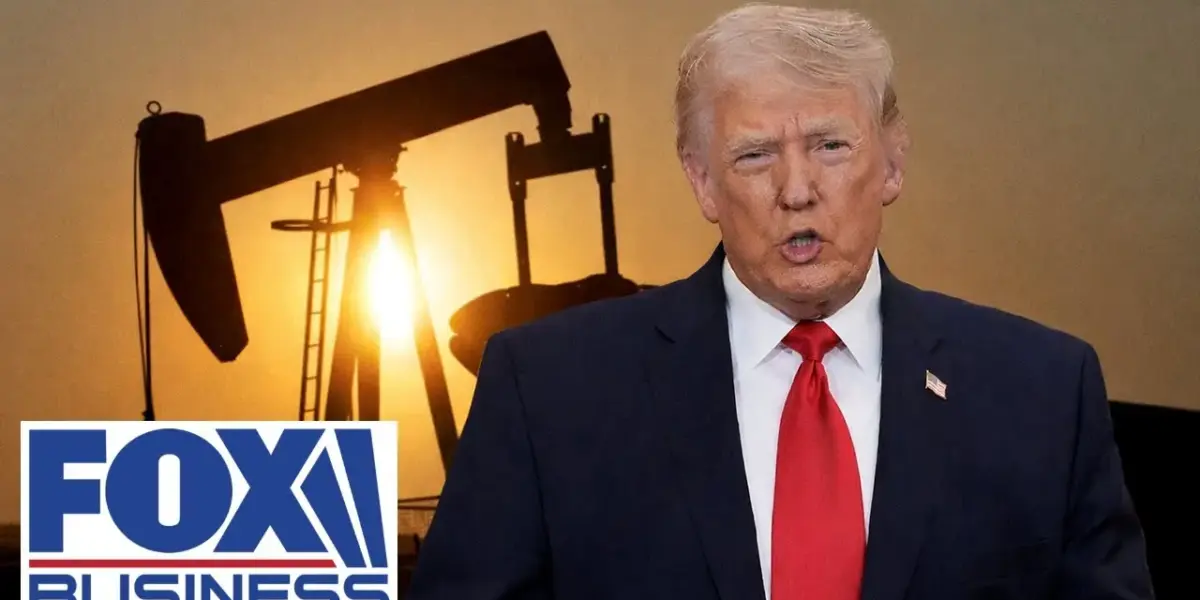
Trump Eyes Lower Oil Prices Amid Geopolitical Maneuvers
President Trump has expressed confidence that oil prices will decline later this year, even as global tensions simmer. In an exclusive interview, the President suggested that current price levels, with Brent crude hovering around $95.80 and WTI crude at $91.70, are temporary. He anticipates a significant drop in oil costs once ongoing geopolitical issues are resolved.
“I’m very happy. It’s going to come dropping down very big as soon as it’s over and I think it could be over very soon,” President Trump stated.
This outlook contrasts with recent price increases, which have seen oil costs rise by approximately 50% over the past month. The President dismissed concerns about inflation, predicting the economy would recover fully despite any short-term impacts.
Naval Blockade Shifts Market Sentiment
The U.S. military’s action to stop ten oil tankers from passing through the Strait of Hormuz appears to be positively influencing the market. Crude oil prices have fallen by more than 5% since President Trump implemented this blockade. This strategic move has been met with a largely positive market reaction, signaling potential success in de-escalating tensions and stabilizing energy supplies.
Interior Secretary Doug Burgum highlighted President Trump’s policy of “Energy Dominance” as the foundation for these actions. This policy aims to produce enough energy domestically to reduce reliance on foreign sources, particularly those supporting hostile regimes. Burgum emphasized that increased American production of oil and natural gas has provided the flexibility to take decisive action, such as the Strait of Hormuz blockade.
Record U.S. Energy Production Fuels Policy Flexibility
The administration points to record-breaking U.S. energy production as a key factor enabling its assertive foreign policy. Secretary Burgum detailed how initiatives under President Trump have led to increased oil and natural gas output. This surge in domestic production, he argued, strengthens America’s position on the global stage and provides leverage in international relations.
“Record American production, record LNG exports, record natural gas production, record oil production, because of the energy dominance approach that President Trump has had,” Burgum explained. He added that this approach has given the President the freedom to implement strategies like the blockade, which he described as a “brilliant strategy” supported by strong military execution.
Gasoline Prices May Reach $3 This Summer
Energy Secretary Scott Pruitt suggested that gasoline prices could reach $3 per gallon by summer. While acknowledging market volatility, Pruitt expressed optimism that negotiations and the reopening of key shipping lanes could lead to lower fuel costs. He anticipates this price point could be achieved between late June and mid-September.
“I’m optimistic that during the summer we will see gas with a three they front of it sooner rather than later,” Pruitt commented. He linked the potential for lower gas prices to the administration’s efforts to increase supply and manage demand effectively, aligning with the President’s broader economic agenda.
Northeast Gas Pipeline Project Promises Savings
A significant development in energy infrastructure is the groundbreaking of the Northeast Supply Enhancement pipeline. This project, the first new natural gas pipeline in the region in eight years, is expected to supply natural gas to 2.1 million homes. It aims to combat the high energy prices and supply shortages previously experienced in areas like New York City and Long Island.
The pipeline is projected to save households over $1,000 annually. Secretary Burgum criticized previous policies that hindered energy infrastructure development, leading to situations where natural gas had to be delivered by truck during cold spells. He asserted that this new pipeline represents a safer, cleaner, and more cost-effective solution.
Streamlining Permitting and Regulations
The Interior Department is actively working to streamline the permitting process for energy projects. Recent regulatory changes aim to remove obstacles that have historically slowed down or halted infrastructure development, such as pipelines and transmission lines. The department has identified and removed outdated regulations that were not part of the original laws governing these processes.
“We took 80% of the NEPA regulations and found out they were not part of the original law,” Burgum stated. By focusing on the essential requirements of the law, the department seeks to expedite the approval of critical energy infrastructure while maintaining environmental safeguards.
Marine Minerals Administration to Enhance Offshore Development
A phased plan is underway to establish the Marine Minerals Administration. This new entity will merge functions from the Bureau of Ocean Energy Management and the Bureau of Safety and Environmental Enforcement. The goal is to create a more integrated approach to managing America’s offshore energy resources and critical minerals.
The administration believes this consolidation will allow for faster, safer, and smarter permitting of offshore energy projects, including those in the Gulf of Mexico, which accounts for over 50% of U.S. oil and gas production. This initiative is part of a broader strategy to boost domestic energy supply and reduce reliance on foreign energy sources.
Market Impact: The President’s prediction of lower oil prices, coupled with the successful naval blockade in the Strait of Hormuz and increased domestic production, suggests a potential easing of energy costs. Investors will monitor upcoming geopolitical developments and their impact on global oil supply. The focus on domestic energy production and infrastructure development, like the Northeast pipeline, could support economic growth and energy security.
What Investors Should Know: The administration’s emphasis on energy independence and deregulation may lead to increased investment opportunities in the U.S. energy sector. The potential for lower gasoline prices could boost consumer spending. However, geopolitical risks remain a significant factor influencing oil prices and market stability in the short term.
Source: Trump makes STUNNING claim about US oil (YouTube)

Related Articles


Trump Readies Cuba Invasion: Military Plans Revealed
A new report reveals the US military is secretly preparing invasion plans for Cuba under President Trump's directive. Despite Cuba's outdated defenses, its leader vows to fight, raising regional and global concerns.

US Threatens China Banks with Sanctions Over Iran Ties
The U.S. Treasury has warned Chinese banks of severe secondary sanctions if they are found to be facilitating financial transactions with Iran. This action comes amid reports of China providing Iran with military-grade satellite technology, raising concerns about Beijing's support for Tehran's activities. The U.S. is employing strong financial measures to pressure Iran and its financial enablers.


US Oil Dominance Surges Amidst Global Tensions, Swalwell Resigns
The US is experiencing a surge in oil exports and implementing a blockade on Iranian ports, signaling a potential return to energy dominance. This comes as Congressman Eric Swalwell resigns amid serious misconduct allegations and faces criminal investigation. The dual developments highlight significant shifts in both global strategy and domestic politics.