UK Leader Challenges Trump on Iran War Decision
British Chancellor Rachel Reeves has criticized the US decision to end talks with Iran and enter into conflict, calling it a "folly" without a clear exit plan. Experts suggest countries should "call Trump's bluff," citing European examples of asserting independence amid global tensions and potential economic fallout.

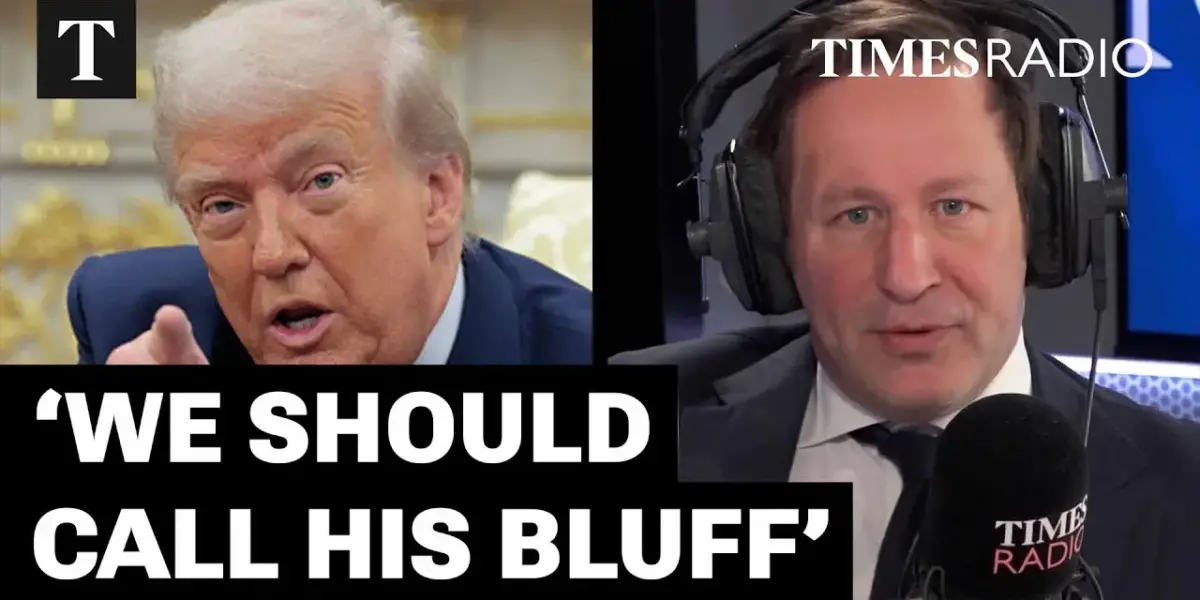
UK Chancellor Criticizes US Iran Stance
Britain’s Chancellor, Rachel Reeves, has publicly stated that the United States made a mistake by ending talks with Iran and entering into conflict. Speaking in Washington during meetings with global finance leaders at the International Monetary Fund (IMF), Reeves described President Trump’s actions as a folly, particularly because there was no clear plan for how to exit the conflict. This direct criticism highlights a significant disagreement between the UK and US leadership regarding international policy.
The comments come at a time of heightened global tension, with the conflict in Iran raising concerns about economic stability and long-term security. The Treasury Secretary of the United States, Steven Mnuchin, has reportedly focused on the potential economic impact of a nuclear weapon hitting London, suggesting a greater concern for immediate threats over long-term forecasts. However, the discussion of these events in the American press has been relatively limited, according to reports from The Times.
“Call His Bluff”: Lessons from Europe
Experts suggest that countries should consider challenging President Trump’s demands, a strategy referred to as “calling his bluff.” This approach is supported by examples from other European nations that have stood firm against US pressure. For instance, Italian Prime Minister Giorgia Meloni has reportedly gained significant domestic support by pushing back against Trump’s stances, even defending the Pope and canceling a deal with Israel. This shows a willingness to take independent action, demonstrating that the US does not solely dictate future relations.
Lord Vaizey, a commentator, noted that while President Trump has previously threatened to tear up deals and impose tariffs when countries did not align with his foreign policy, it is not a good reason for those countries to join a war. He suggested that the UK government could have been more assertive in its independent decision-making. Vaizey believes that being able to point to leadership and independent choices is beneficial, even wishing the UK had shown more boldness.
Economic Ripples and Public Opinion
The decision to enter the Iran conflict has far-reaching economic implications for Britain and other nations. Reports suggest potential shortages of everyday items like chicken and pork, as well as limitations at petrol stations due to dwindling jet fuel supplies. This situation is already causing unrest in other parts of the world, with fuel protests occurring in Ireland and shortened working weeks in Sri Lanka.
Many politicians are keen to distance themselves from the Iran war and its consequences. By publicly opposing the conflict and aligning with public sentiment against President Trump, leaders can position themselves as being on the side of their citizens. This strategy is seen as politically advantageous, especially for a government looking to strengthen ties with Europe and differentiate itself from administrations perceived as too close to the US.
The Risk of Retaliation
Despite the potential benefits of public criticism, a significant concern remains: President Trump’s strong and often thin-skinned reaction to perceived slights. There is a fear that a direct and forceful challenge from the UK government could provoke retaliatory actions that further harm the British economy. Given the close economic ties between the UK and the US, including substantial American investment in sectors like film and venture capital, such a response could have severe consequences.
However, the argument for challenging Trump persists. The Danish government, for example, once sent troops and blood banks to Greenland at the mere prospect of an American invasion, illustrating a historical willingness to stand firm.
This historical context suggests that while Trump may be a powerful figure, his actions can be anticipated and, perhaps, countered. The current situation in Iran, coupled with Trump’s past threats, presents an opportunity for leaders to assert their independence.
Looking Ahead
The coming weeks will reveal how the UK government plans to navigate its relationship with the United States under President Trump. With the economic consequences of the Iran conflict becoming clearer, the pressure on leaders to demonstrate independent judgment and protect national interests will likely increase. The effectiveness of challenging Trump’s decisions, without triggering damaging retaliation, remains a key question for global diplomacy.
Source: Trump Can’t Dictate What Private Companies Do: Why We Should ‘Call His Bluff’ | Lord Vaizey (YouTube)

Related Articles

Trump Threatens UK Trade Deal, Fuels Defense Spending Debate
Former U.S. President Donald Trump has threatened to revise the trade deal with the UK, drawing criticism for his unpredictable approach. Meanwhile, UK Chancellor Rachel Reeves has labeled the Iran conflict a mistake, citing economic instability and a lack of clear objectives. The nation also faces an intensifying debate over defense spending amid rising global tensions and a need for a clear investment strategy.

Trump’s Troop Gambit: A Risky Mideast Play?
Reports of thousands of U.S. troops heading to the Middle East clash with President Trump's claims of an impending end to the war. This analysis explores the potential risks and high price of using ground forces as leverage, questioning if the President is prepared for the potential human and political costs.

UK Government Plans for CO2 Shortages Spark Food Security Fears
The UK government is reportedly developing contingency plans for potential carbon dioxide (CO2) shortages, raising concerns about food security. These preparations, codenamed 'Exercise Turnstone,' echo strategies used during Brexit and highlight vulnerabilities in national supply chains. Meanwhile, the Labor Party is adopting a tougher stance on global conflicts and figures like Donald Trump, though its effectiveness in boosting popularity remains uncertain.