Scandals Rock Congress Amidst Global Tensions
As the U.S. prepares for renewed talks with Iran and a historic diplomatic meeting occurs between Israel and Lebanon, Congress faces its own turmoil. Multiple lawmakers are resigning or under investigation amid serious allegations, raising questions about accountability and integrity.

Scandals Rock Congress Amidst Global Tensions
The halls of Congress are currently echoing with more than just political debate; they are filled with the fallout from a series of scandals that have led to the resignations of several lawmakers. This turmoil unfolds against a backdrop of complex international relations, including ongoing negotiations with Iran and diplomatic meetings between long-standing adversaries.
Iran Talks and Strait of Hormuz Tensions
The United States is preparing for a potential second round of peace talks with Iran, with President Trump suggesting they could happen within days. These discussions come as a ceasefire deadline approaches. While previous talks in Pakistan failed to reach an agreement, the fact that high-level officials met at all marked a significant diplomatic step since the 1979 Revolution.
Negotiating styles differ greatly between the two nations. Americans typically seek quick, clear results, while Iran often engages in a more drawn-out process with ambiguity. A major point of contention is Iran’s nuclear enrichment program.
The U.S. proposed a 20-year suspension, while Iran countered with a 5-year limit. President Trump has emphasized a need for Iran to never enrich uranium, indicating neither proposal was sufficient.
Adding to the pressure is a naval blockade of the Strait of Hormuz, enforced by over 10,000 U.S. service members. While the military claims the blockade prevented ships from Iranian ports from passing, tracking data suggests some vessels did sail through. This action has drawn criticism from China, Iran’s largest trading partner, which called the blockade “dangerous and irresponsible.” The disruption to oil flow could also lead to higher gas prices in the U.S., a concern for the summer months.
Historic Diplomatic Meeting: Israel and Lebanon
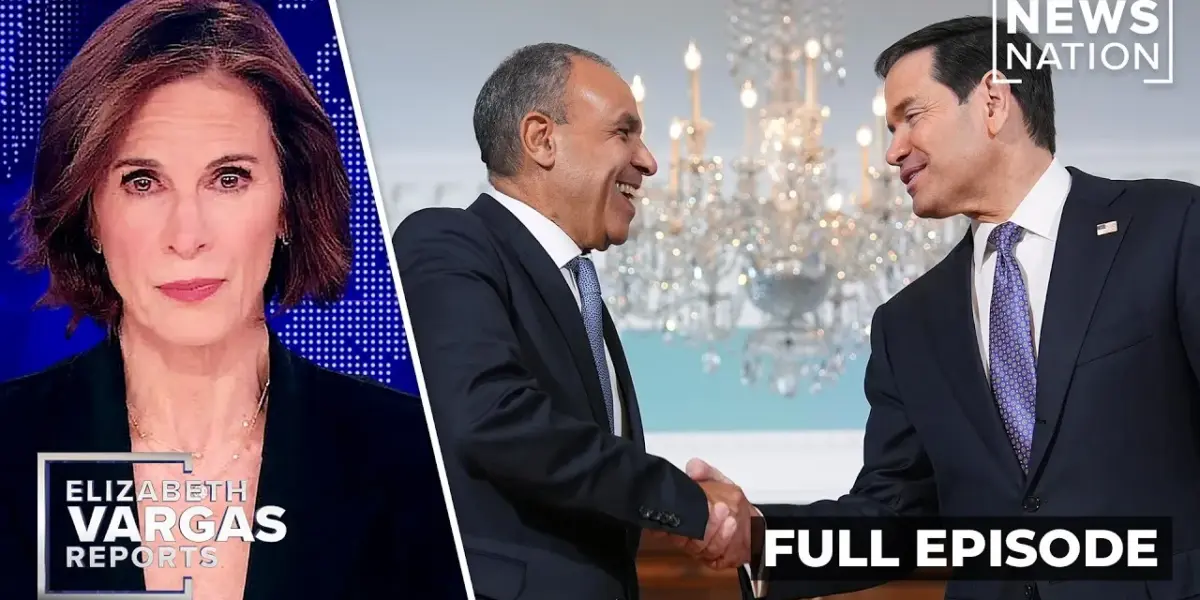
In parallel, a rare diplomatic meeting occurred between Israel and Lebanon at the State Department, the first direct talks in over 40 years. Overseen by Secretary of State Marco Rubio, the meeting aimed to address the ceasefire and, more broadly, to reduce Hezbollah’s influence in the Middle East. Both nations expressed hope for future peace deals and discussed disarming Hezbollah, stating they were “on the same page.”
The U.S. acknowledged Israel’s right to self-defense while focusing on a long-term goal of normalization between the two countries. The U.S. views Iran as weakened and sees this diplomatic opening as a significant opportunity. This meeting’s success could influence the broader U.S.-Iran negotiations, as the ceasefire in Lebanon is a key issue for Iran.
Congressional Scandals and Resignations
Domestically, Congress is dealing with a wave of scandals. Congressman Eric Swalwell resigned following multiple allegations of sexual misconduct. A new accuser, Lana Drews, has come forward with serious claims of assault in 2018.
The Los Angeles District Attorney is investigating Swalwell, adding to an existing probe by the Manhattan DA. Swalwell has denied all allegations.
His resignation follows that of Congressman Tony Gonzales, who stepped down after admitting to an affair with a staffer who later died by suicide. These departures highlight a growing concern over ethical conduct in Congress, with calls for accountability and expulsion growing louder for other lawmakers.
Other Lawmakers Under Scrutiny
Other members of Congress are also facing serious allegations. Florida Representative Cory Mills is accused of physical assault, threatening a former girlfriend, and financial misconduct.
He denies the accusations, arguing he is not comparable to Swalwell or Gonzales. Meanwhile, Florida Representative Sheila Cherfilus McCormick is under investigation for allegedly misusing $5 million in FEMA funds for personal use.
The slow pace of ethics investigations within Congress is a point of frustration. Some lawmakers express concern that these lengthy processes allow serious allegations to linger, potentially impacting public trust and contributing to low approval ratings for Congress. The political calculation of losing votes through expulsions also complicates the process for House leadership.
Why This Matters
The confluence of international crises and domestic political scandal creates a volatile environment. The U.S.’s pursuit of diplomatic solutions with Iran, while simultaneously applying economic pressure, demonstrates a complex strategy. The success of these talks could have far-reaching consequences for global energy markets and regional stability.
At home, the scandals plaguing Congress raise fundamental questions about accountability, ethical standards, and the integrity of the legislative process. The public’s trust in its elected officials is tested when serious allegations are met with lengthy investigations or resignations that some may view as avoiding full accountability. The slow pace of justice within the House Ethics Committee is a recurring theme, fueling public cynicism.
Implications and Future Outlook
The U.S.-Iran negotiations are at a critical juncture, with the potential for renewed talks offering a path to de-escalation, but the core issues remain deeply challenging. The blockade of the Strait of Hormuz, while intended as leverage, carries risks of further inflaming regional tensions and impacting global energy prices. China’s strong opposition to the blockade adds another layer of complexity to U.S. foreign policy.
The ongoing scandals in Congress highlight a need for greater transparency and swifter action on ethical matters. The public’s demand for accountability is clear, and the slow pace of official investigations is unlikely to satisfy this demand. As more lawmakers face scrutiny, the composition and stability of Congress could be affected, potentially influencing legislative outcomes and upcoming elections.
Historical Context
The current U.S.-Iran tensions echo decades of strained relations since the 1979 Revolution. Past attempts at diplomacy have often been fraught with mistrust and differing objectives. Similarly, the diplomatic breakthrough between Israel and Lebanon, while historic, comes after more than 40 years of conflict and animosity, emphasizing the difficulty and rarity of such progress.
The scrutiny of lawmakers’ conduct is not new, but the sheer number of high-profile cases simultaneously facing Congress presents a significant challenge. The history of ethics investigations shows a pattern of prolonged processes, often influenced by political considerations, which can erode public confidence in the institution.
The next round of U.S.-Iran talks, if scheduled, will be a critical indicator of whether diplomatic progress is possible. Meanwhile, the House Ethics Committee is expected to provide updates on its investigations into several members in the coming weeks.
Source: Resigning representatives; Strait of Hormuz blockade continues | Vargas Reports Full Episode 4/14 (YouTube)

Related Articles


US Navy Blockades Strait of Hormuz Amid Talks Collapse
The U.S. Navy has imposed a blockade on the Strait of Hormuz following the collapse of U.S.-Iran ceasefire talks. The action aims to counter Iran's mining of the strait and its attempts to charge tolls on global shipping. This move significantly escalates regional tensions and targets Iran's primary revenue source.


US Navy Blockade Hits Iran’s Oil Exports
The U.S. Navy has initiated a naval blockade of Iranian ports, targeting maritime traffic to cut off oil export revenue. This action follows failed peace talks and aims to exert economic pressure on Iran. The blockade highlights the strategic importance of the Strait of Hormuz and Iran's reliance on oil sales.


US Navy Tightens Grip on Iran in Strait of Hormuz
The U.S. Navy has imposed a naval blockade on Iran, cutting off access to its ports in the Strait of Hormuz. This action follows the collapse of nuclear talks and signals a major escalation in U.S.-Iran tensions. Iran has threatened retaliation against regional partners, raising fears of a wider conflict.