Health Care Billions Tied Up in Fraud, Rural Access Lagging
The U.S. healthcare system faces a dual challenge: a $5.3 trillion annual spend yielding poor health outcomes and significant losses to fraud. Lawmakers are pushing for a shift towards preventive care and addressing industry consolidation. Rural communities, in particular, are a focus, with a $50 billion program aimed at improving access.

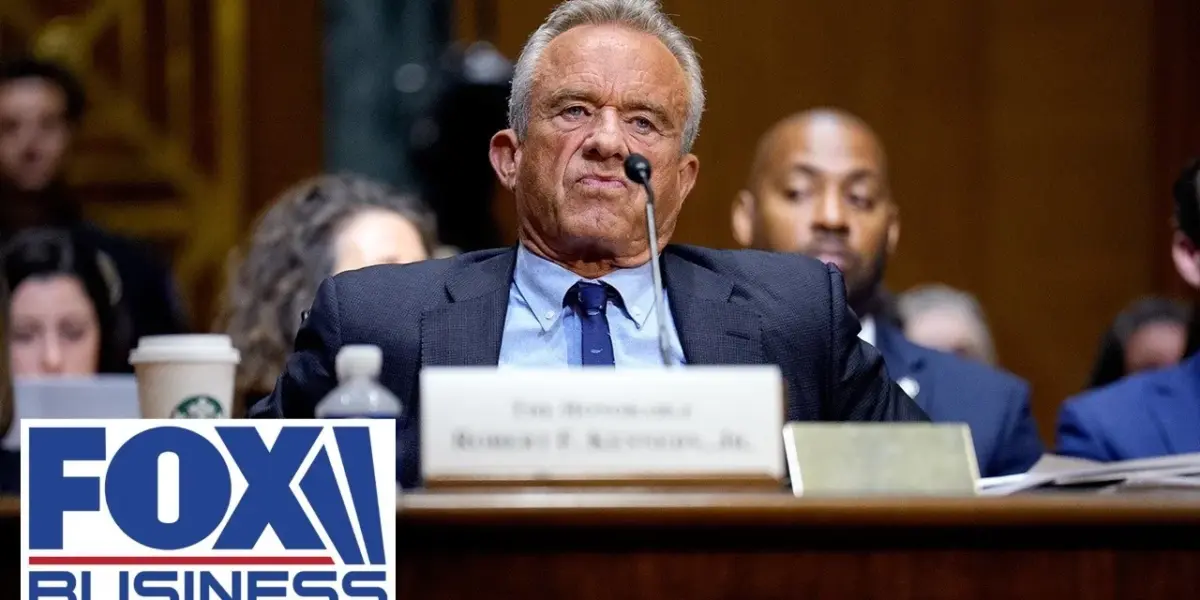
Health Care Billions Tied Up in Fraud, Rural Access Lagging
The United States spends a staggering $5.3 trillion annually on healthcare. Despite this massive investment, over six in ten Americans struggle with at least one chronic disease. This health crisis not only impacts quality of life but also drains taxpayer dollars significantly.
A key focus in addressing these issues lies in shifting incentives within the healthcare system. Currently, much of the financial reward goes to treating people who are already sick. Experts argue that more effort and funding should support Americans in staying healthy through wellness and preventative medicine.
Consolidation Blamed for Rising Costs
Beyond lifestyle choices, industry consolidation is seen as a major factor harming public health. Large corporations are buying up parts of the healthcare system, which helps their profits but does little for the well-being of everyday Americans. Sixteen years after the Affordable Care Act, or Obamacare, promised lower prices, healthcare costs and insurance company profits continue to climb.
Lawmakers are questioning major health insurance companies about how they can focus on lowering patient costs while also increasing their own revenue. This is especially concerning as many insurers now own pharmacies, medical providers, and pharmacy benefit managers (PBMs). Similar questions are being raised with large hospital systems that have increased prices without improving access to care.
Rural Health Care Crisis Deepens
The lack of healthcare access is particularly severe for the 60 million Americans living in rural areas. These communities often face higher rates of chronic diseases and mortality compared to urban areas. Protecting access to rural healthcare is a critical priority.
The Trump administration enacted a $50 billion rural health transformation program as part of the Working Families Tax Cuts. This program aims to strengthen hospitals and ensure people can get the care they need, no matter where they live. Initial funding installments have been distributed to states, offering hope for improving services and access.
Combating Waste, Fraud, and Abuse
A significant portion of healthcare spending is lost to waste, fraud, and abuse. An estimated $60 billion is lost annually in Medicare alone due to these issues. Holding those who steal from the system accountable is crucial, especially when considering cases like alleged billions in Medicare hospice fraud in Los Angeles County.
Efforts are underway to root out fraud within the healthcare system. A presidential anti-fraud task force has been established to identify and prosecute criminals. However, concerns have been raised about the administration’s approach to prosecuting fraud, with questions about pardons and commutations for individuals involved in large-scale schemes.
Preventive Care and Nutrition Focus
Officials are championing preventive care, including nutrition and wellness programs. New dietary guidelines have been issued, emphasizing whole foods and reversing previous recommendations that critics say were influenced by the food industry. These changes aim to address the root causes of chronic diseases like heart disease, obesity, and diabetes.
The importance of screening for early disease detection is also being highlighted. Efforts are being made to improve processes for approving new screening procedures and to invest in research for better diagnostic tools, such as those for Alzheimer’s disease. The goal is to make healthcare more proactive and less reactive.
Market Impact
The ongoing discussions highlight a significant tension in the healthcare sector. On one hand, there’s a push for greater preventive care and increased access, particularly in underserved rural areas, supported by substantial government funding initiatives. On the other hand, concerns about industry consolidation driving up costs and persistent issues with fraud and abuse suggest that systemic inefficiencies continue to plague the system.
Investors and stakeholders are watching closely to see how these competing priorities play out. The effectiveness of the $50 billion rural health transformation fund and the success of anti-fraud measures will be key indicators. Changes in healthcare policy and enforcement could impact pharmaceutical companies, insurance providers, hospital systems, and the burgeoning telehealth and medical technology sectors.
What Investors Should Know
The focus on preventive care and healthier eating could benefit companies involved in nutrition, wellness, and diagnostic technologies. Conversely, increased scrutiny on industry consolidation and PBMs might create headwinds for larger, integrated healthcare corporations.
The substantial investments in rural health infrastructure present opportunities for companies that can provide services and technologies to these communities. However, the persistent challenge of fraud suggests that regulatory environments could become stricter, impacting compliance costs for all players in the healthcare industry. The long-term implications depend on the sustained commitment to these reforms and the ability to effectively counter fraud and improve patient outcomes across the board.
The committee will continue to oversee the implementation of these critical funds and policies, aiming to transform healthcare delivery for all Americans.
Source: WATCH LIVE: RFK Jr defends Trump administration's funding priorities (YouTube)

Related Articles

US Healthcare Crisis Deepens: Corporate Control Fuels Costs
America's healthcare system is drowning in complexity and cost, largely driven by corporate interests within insurance companies. Doctors face burnout from administrative burdens, while patients endure rising premiums. This analysis explores how this system evolved and the urgent need for change.


Trump Exploits Cancer Patient for Political Gain
A DoorDash driver, whose husband has cancer, was used in a White House stunt to promote a 'no tax on tips' policy. Investigations reveal she's been repeatedly featured in Republican events, and the policy offers her minimal financial benefit, raising ethical concerns about political exploitation.


Trump Runs White House Like Casino, Ossoff Claims
Senator Jon Ossoff criticizes President Trump's White House operations, likening them to a casino. He argues that the administration's policies are hurting Americans through rising costs and cuts to essential services, while prioritizing military spending over social programs.