Syrians in Germany: Welcome or Asked to Leave?
German Chancellor Olaf Scholz's suggestion that 80% of Syrian refugees should return home has sparked debate amidst successful integration stories. Many Syrians have found work, paid taxes, and even become citizens, contributing significantly to the German economy and workforce. The future remains uncertain as Germany grapples with its need for skilled labor and the complex realities of refugee integration.

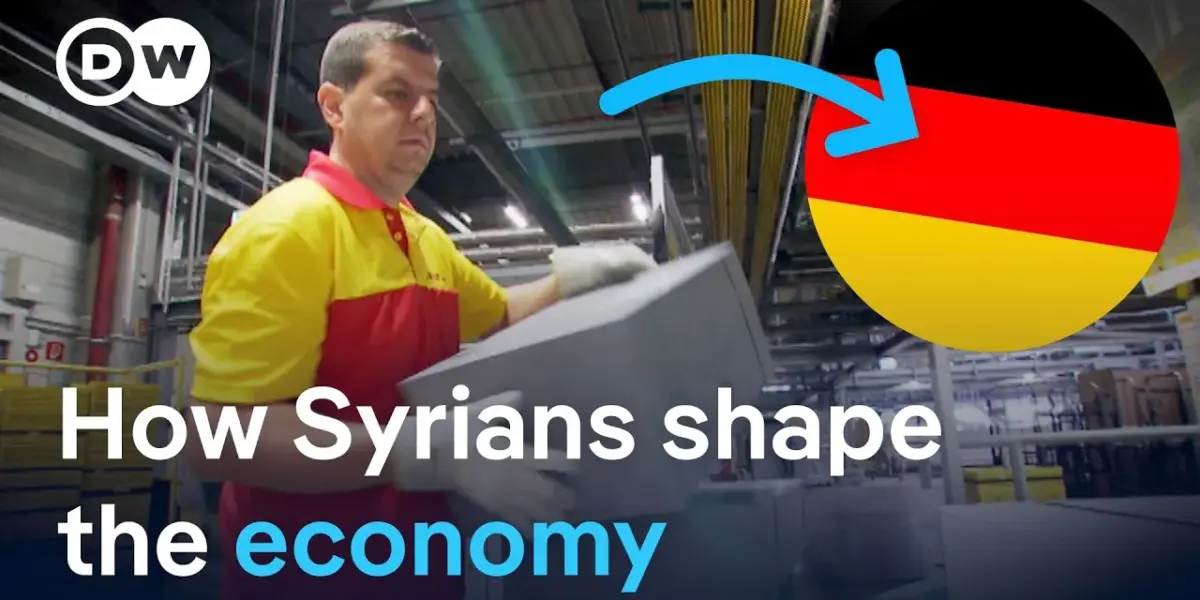
Syrian Refugees Face Uncertain Future in Germany
A recent statement by German Chancellor Olaf Scholz suggesting that 80% of Syrian refugees should return to their home country has sparked significant debate and concern. The comment, made during a discussion about the future of Syrian refugees in Germany, implies a desire for a large-scale return within the next three years. This statement has drawn criticism from opposition parties and even members of Scholz’s own governing coalition, highlighting a deep division on how to handle the refugee population.
Integration Successes and Economic Contributions
Despite the chancellor’s remarks, many Syrians have successfully integrated into German society and are making valuable contributions. A significant portion of Syrian refugees are actively working and paying taxes, shifting from financial dependence to becoming productive members of the economy. This success is particularly notable given that the chances of finding a job in the first few years of arrival are often slim.
Syrians are becoming customers for German businesses, and some are even starting their own companies. For instance, one business owner mentioned that a large percentage of their customers are German, indicating a strong integration into the local market.
The average age of Syrians in Germany is 26, significantly younger than the average German population of 46. This demographic factor is crucial for a country facing a declining birthrate.
Calls for Return and Criticisms
The idea of sending 80% of Syrians back to their home country was met with disbelief and concern by some. “When I personally heard that, for example, 80% of Syrians would be sent home, I thought, do you mean doctors too?
Skilled workers too?” one individual questioned, highlighting worries about losing valuable professionals. This sentiment was echoed by migration researcher Carolina Pop, who described the political discourse as disturbing and painful for those who have worked hard to build new lives.
The initial statement from the chancellor caused damage, according to Pop, even after he later modified his remarks. The discourse surrounding the potential return of refugees raises questions about the value placed on their contributions and the stability of their newly established lives.
Germany’s Need for Skilled Workers
Germany has a pressing need for skilled workers in various sectors, including trades, logistics, construction, gastronomy, and healthcare. Many Syrian refugees possess the skills and dedication to fill these gaps. “With our performance, we help to combat the shortage in the care sector a little bit,” stated one individual working in healthcare, emphasizing their role in addressing critical labor shortages.
For many Syrians, Germany has become home. The prospect of starting over elsewhere, like their home country, presents a significant challenge.
“Germany is home for me now, and if we consider starting somewhere else, that’s a big challenge for us because we have to start from scratch there,” one person explained. This highlights the deep roots and commitments many refugees have developed in Germany.
Naturalization and Future Prospects
In recent years, German authorities have become more efficient in processing applications, and former newcomers have adapted well to their new environment. Many have pursued and obtained German citizenship.
In 2024 alone, over 80,000 Syrians received citizenship, making them the largest group of newly naturalized citizens. This indicates a strong desire among Syrians to become permanent members of German society.
Rebuilding Syria and creating a climate suitable for investment are seen as crucial steps for enabling a safe return. Such efforts would provide job opportunities that could benefit Syrian refugees and facilitate their voluntary repatriation. The ongoing process of integration and naturalization suggests a complex future for Syrian refugees in Germany, balancing their contributions with political discussions about their presence.
Looking Ahead
The upcoming period will be critical in determining the future policies and public sentiment towards Syrian refugees in Germany. Continued dialogue, a focus on economic integration, and clear policy decisions will be essential in navigating this sensitive issue. The experiences and integration efforts of the Syrian community will likely continue to shape the conversation about immigration and national identity in Germany.
Source: Are Syrians still welcome in Germany? | DW News (YouTube)

Related Articles

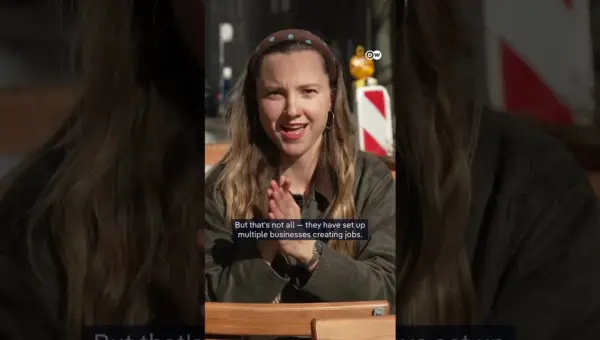
Syrian Refugees Boost German Economy, Fill Job Gaps
Syrian refugees are making significant contributions to the German economy by filling critical job shortages, particularly in healthcare. Many are also successfully launching their own businesses, creating employment and adding economic dynamism. Despite facing challenges with qualification recognition, their entrepreneurial spirit and skills are vital for Germany's workforce.

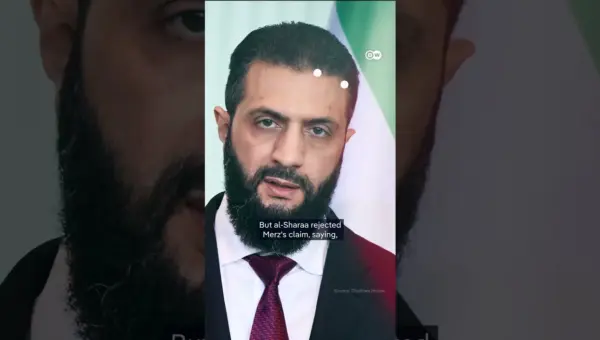
Germany Debates Syrian Refugee Returns Amidst Conflicting Statements
German Interior Minister Horst Seehofer's comments about Syrian President Bashar al-Sharaa wishing for 80% of Syrian refugees in Germany to return home have sparked controversy. The Chancellor's office later clarified that the 80% figure was a hypothetical scenario from a report, not a direct demand from al-Sharaa.

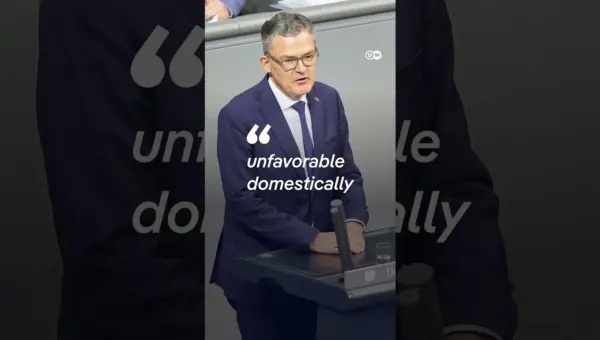
Syrians in Germany Divided on Returning Home
A German political leader's call for 80% of Syrian refugees to return home has divided the community. While some Syrians express a desire to help rebuild their country, many prioritize the safety and opportunities found in Germany. The decision to return hinges on the perceived stability and security of Syria.