Trump Pursues Iran Nuclear Deal Differently Than Obama
The Trump administration is reportedly seeking a new nuclear deal with Iran, focusing on a total enrichment moratorium, a departure from the 2015 Obama-era agreement. Reports suggest a 20-year freeze, though specifics remain unclear amidst mixed messaging from Washington. Meanwhile, separate U.S.-brokered talks aim for a ceasefire in Lebanon, potentially impacting regional stability.

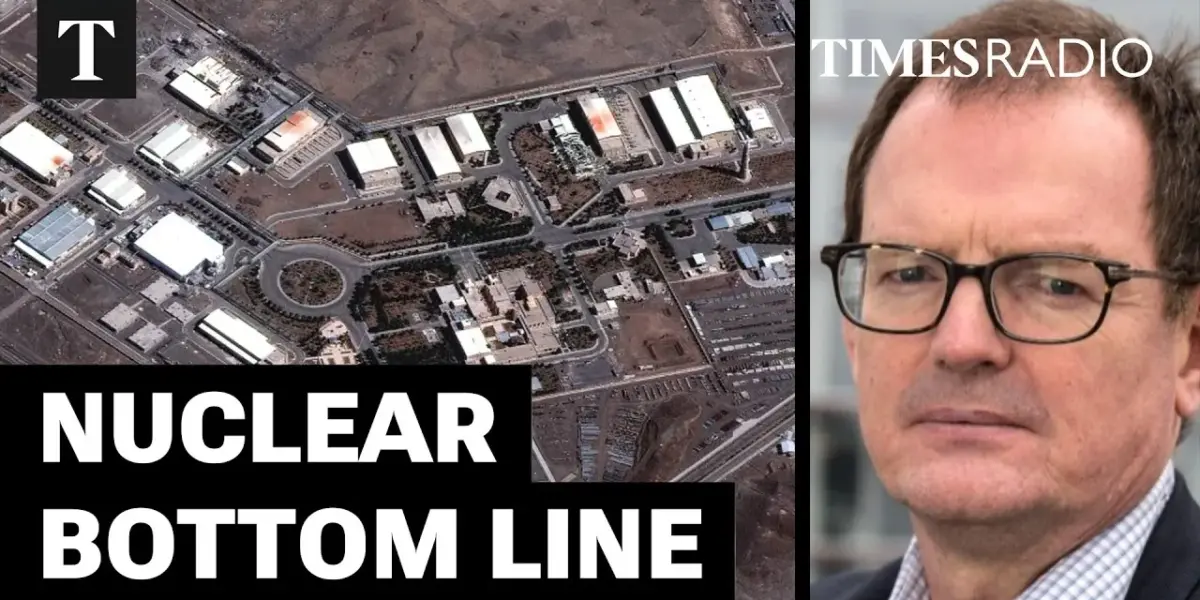
Trump Administration Eyes New Iran Nuclear Deal Amidst Diplomatic Efforts
The Trump administration is reportedly pursuing a new deal with Iran regarding its nuclear program, signaling a potentially different approach than the one established under President Obama. While rhetoric often paints a tough stance, underlying actions suggest a conventional effort to reach an agreement, a process that has been ongoing for two decades. Last weekend’s extensive negotiations in Islamabad, though they ultimately broke down over details of Iran’s nuclear activities, indicate a willingness from both sides to engage.
Vice President JD Vance, who led the U.S. delegation, stated that the talks faltered due to disagreements over the specifics of managing Iran’s nuclear program. Despite former President Trump’s past decision to withdraw from the 2015 Joint Comprehensive Plan of Action (JCPOA), current reports from Washington suggest a more traditional negotiation strategy. This approach appears to focus on achieving a moratorium on Iran’s nuclear activities, with the primary question being the duration of such a freeze.
Key Differences Emerge in Proposed Nuclear Deal Terms
While reports from The New York Times suggest a 20-year moratorium on Iran’s nuclear program, this figure has been met with some ambiguity. Donald Trump himself commented that he “doesn’t like that idea very much,” a statement that, in characteristic fashion, did not outright deny the proposal but expressed personal disapproval. This leaves the exact terms and the U.S. bottom line open to interpretation.
The proposed deal differs from the 2015 JCPOA in significant ways, particularly concerning the timeline and enrichment levels. The original deal phased out Iran’s nuclear program components over 10 to 15 years, with some of these restrictions now expiring or having expired. The new proposal, if it involves a 20-year moratorium, would restart these timelines for a longer period.
A crucial distinction lies in uranium enrichment. The 2015 deal permitted Iran to enrich uranium to a purity of 3.67%.
This level is sufficient for powering civilian nuclear reactors. The current proposal, however, reportedly calls for a complete moratorium on all enrichment activities, allowing none at any level.
Understanding Iran’s Negotiating Team and Regime Dynamics
The Iranian delegation in these talks was reportedly led by Mohammad Baghalibaf, the speaker of Iran’s parliament. However, his exact position within the regime’s decision-making hierarchy is complex. While a significant figure, he is not considered among the top four or five ultimate decision-makers.
The ultimate authority in Iran rests with the Supreme Leader. His current health and decision-making capacity are uncertain, especially following a known injury. It is widely assumed that Baghalibaf and others are reporting to a group, possibly including generals or former generals from the Revolutionary Guard, who are currently influencing decisions.
Broader Regional Tensions and Potential Ceasefire Talks
Beyond the nuclear negotiations, there are ongoing diplomatic efforts concerning regional conflicts. U.S.-brokered peace and ceasefire talks have been taking place, with potential breakthroughs hinted at. Leaders from Israel and Lebanon are expected to speak soon, adding another layer to the complex diplomatic situation.
A ceasefire deal appears possible, though it might be contingent on developments in southern Lebanon. Israeli troops have reportedly surrounded the town of Bint Jbeil, where Hezbollah fighters are present. This location holds symbolic importance, as Israel failed to capture it during the 2006 conflict with Hezbollah.
For Lebanon, the prospect of peace talks is significant. The country is deeply divided along sectarian lines, with many citizens desiring an end to the persistent conflict with Israel. Such a resolution could greatly benefit Lebanon’s economy and way of life, which have been devastated by repeated wars.
However, a substantial portion of the population, particularly within the Shia community, views Israel as an unchangeable enemy. This internal division presents considerable risks for Lebanon as it navigates these peace processes. Despite these challenges, the potential gains from a lasting peace on the border are substantial, making these talks a focal point for international concern.
Looking Ahead: What’s Next for Iran and Regional Stability
The coming days will be crucial in determining whether a breakthrough can be achieved in the nuclear talks with Iran. Simultaneously, developments in southern Lebanon and the broader diplomatic engagements between Israel and Lebanon will offer insights into the prospects for regional stability. The world watches closely to see if these complex negotiations can yield lasting peace.
Source: How Trump’s Iran Deal Attempt Differs From Obama’s | Richard Spencer (YouTube)

Related Articles
Trump’s Legal Battles Intensify Ahead of Trial
Donald Trump is facing a critical week as his first criminal trial begins in New York. The hush-money case accuses him of falsifying business records related to a payment made to Stormy Daniels during the 2016 election. This trial, along with other ongoing legal battles, could significantly shape the 2024 presidential campaign.

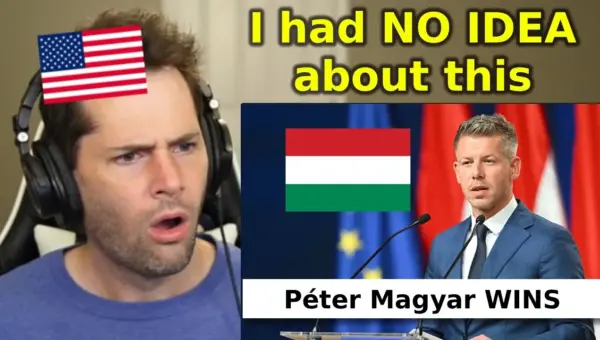
Hungarian Election Shakes Europe: What It Means Now
Hungary's recent election ousted long-time Prime Minister Victor Orban, signaling a significant shift in European politics. The vote, driven by voter frustration over corruption and isolation, saw Peter Majar's party win decisively. This outcome has major implications for Ukraine and challenges the influence of Trump-aligned movements across Europe.
Russia Faces Economic Strain Amid Sanctions
Russia's economy is facing significant pressure, with Western sanctions contributing to negative trends over the past three months. Official growth targets appear increasingly unrealistic given the current economic climate. This situation highlights a divergence between public narratives and underlying economic realities.