Hungarian Election Shakes Europe: What It Means Now
Hungary's recent election ousted long-time Prime Minister Victor Orban, signaling a significant shift in European politics. The vote, driven by voter frustration over corruption and isolation, saw Peter Majar's party win decisively. This outcome has major implications for Ukraine and challenges the influence of Trump-aligned movements across Europe.

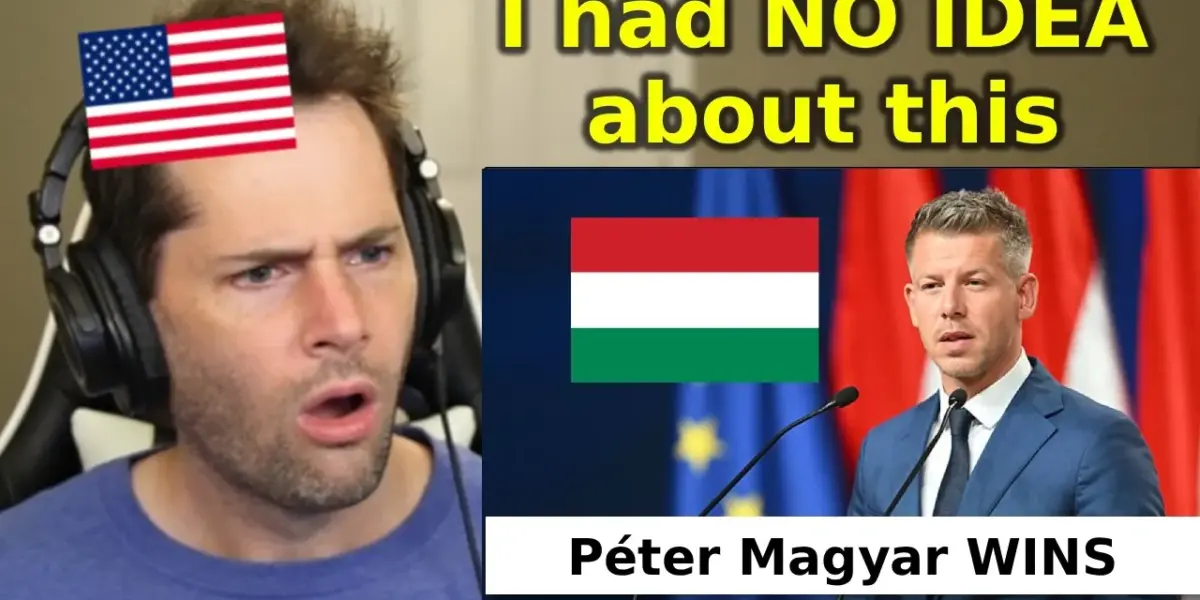
Hungary’s Election Signals Major Shift in Europe
Americans often don’t know much about European politics, and Hungary’s recent election was a prime example of a complex situation many missed. The vote ended Prime Minister Victor Orban’s 16 years in power, marking a significant change. While some countries have term limits for leaders, Hungary allowed Orban to serve for a long time, which can be good if a leader is popular and effective, but raises questions if they aren’t.
Opposition leader Peter Majar’s party won decisively, defeating Orban’s Fides party. This outcome suggests voters were unhappy with high corruption, rising costs, poor public services, and Hungary’s isolation from other European nations. Orban’s anti-EU stance, which he pushed for years, ultimately didn’t win him another term.
Hungary’s EU Membership and Orban’s Stance
A key point of confusion for many, including the video’s presenter, is Hungary’s relationship with the European Union. Hungary joined the EU in 2004, making it a member state.
However, Orban’s government often took an “anti-EU” and “isolationist” approach. This approach, combined with a perceived negative impact on living standards, likely contributed to his defeat.
The election results became clearer when considering Orban’s political allies. He had strong support from former US President Donald Trump, with Vice President J.D.
Vance even attending a rally for Orban. This connection, while perhaps intended to boost Orban, seems to have backfired and contributed to his loss.
European Reaction and Majar’s Rise
The European Union and other European leaders were clearly hoping for an Orban defeat, and celebrated his loss. This widespread happiness highlights how much Orban’s actions, such as vetoing support for Ukraine and promoting a global conservative movement, had impacted the EU’s direction. The election of Majar was seen as a major event, not just for Hungary, but for the entire continent.
However, expectations for Majar’s premiership need to be managed. While he is seen as an improvement from the EU’s perspective, he is not a strong federalist.
Majar positioned himself as a conservative nationalist during the campaign, similar to Orban in some ways. He also faces the challenge of undoing Orban’s extensive influence over Hungary’s institutions, which took nearly two decades to establish.
Challenges and Immediate Impacts
Orban’s influence remains deeply embedded in Hungary’s government. Institutions like the constitutional court and the budget council are still filled with Orban loyalists.
His allies also hold significant sway in the media, the judiciary, and local government. Therefore, even with a new prime minister, significant changes will take time to implement.
Despite these challenges, Majar’s victory brings immediate good news for Ukraine. Orban had consistently blocked or weakened EU support and sanctions against Russia.
He even planned to veto a large financial aid package for Ukraine, despite Hungary not having to pay for it. Majar’s win is expected to remove these obstacles and enable much-needed aid.
Majar’s Evolving Stance and Orban’s Campaign Tactics
Majar’s approach to Ukraine has evolved. Initially cautious, he has become more critical of Russia, especially as Orban heavily focused on Ukraine during his campaign.
Orban accused Ukraine of election interference and disrupting oil supplies, attempting to distract voters from corruption issues. He tried to paint Majar as a pro-war pawn of Brussels.
This strategy failed. Majar was able to portray Orban as a supporter of Russia, especially after reports of Orban’s foreign minister speaking regularly with his Russian counterpart and a leaked phone call where Orban offered to be “the mouse to Putin’s lion.” These revelations were highly damaging and likely sealed Orban’s defeat.
US Influence and European Implications
Majar also sent a strong message against foreign interference, particularly after J.D. Vance’s visit to Hungary during the campaign. Majar stated that “No foreign country may interfere in Hungarian elections.” This suggests he wants Hungary to be more independent, rejecting influence from Washington, Moscow, or Brussels.
The election results have major implications for Europe. Orban is no longer the EU’s primary obstacle, and other governments can’t hide behind Hungary’s veto power.
This could encourage other nations to take more decisive action within the EU. It also is a significant setback for right-wing populist movements in Europe that are friendly to Russia and aligned with Donald Trump.
A Blow to Trump-Aligned Movements
The scale of Majar’s victory sends a clear message: being openly against Ukraine and maintaining close ties with Putin can be a losing strategy. This outcome may cause other European politicians to reconsider their alignment with such positions. It also suggests that endorsements from Donald Trump are not a guaranteed path to victory.
Trump’s support for Orban, including sending J.D. Vance to rally for him and promising economic aid, clearly did not sway Hungarian voters.
This result could lead other European right-wing populists to distance themselves from Trump and his allies. The election was a fascinating event, highlighting issues often not covered in US news, and its consequences will continue to unfold.
The next steps will involve Majar’s government working to unblock frozen EU funds and reform Hungary’s institutions. The world will be watching to see how these changes impact Hungary and the broader European political landscape, especially concerning support for Ukraine and relations with Russia.
Source: American Reacts to What Hungary’s Election Means for Europe (YouTube)

Related Articles
Russia Faces Economic Strain Amid Sanctions
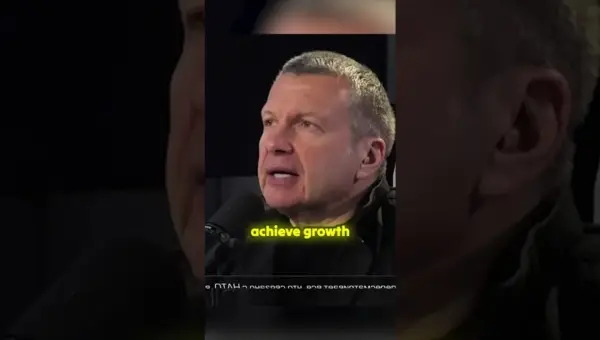
Russia's economy is facing significant pressure, with Western sanctions contributing to negative trends over the past three months. Official growth targets appear increasingly unrealistic given the current economic climate. This situation highlights a divergence between public narratives and underlying economic realities.

Oil Prices Surge 50% Amid Iran Tensions, Gas Prices Eyed
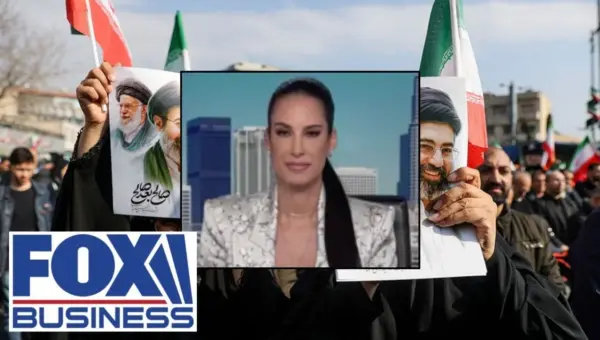
Oil prices have surged 50% amid rising U.S.-Iran tensions, with potential for $3 gas this summer. The U.S. is tightening sanctions on Iran's oil exports and has warned ships about a naval blockade, aiming to pressure the regime and prevent nuclear proliferation.

US Tightens Grip: Iran Blockade Targets Revolutionary Guard
The United States has initiated a naval blockade of Iran, targeting the revenue streams of the Islamic Revolutionary Guard Corps (IRGC). This strategy aims to halt Iran's oil exports and smuggling operations, applying direct financial pressure. While the blockade presents challenges, including potential Iranian retaliation and land-based supply routes, it marks a significant escalation in U.S. policy.