US Tightens Grip: Iran’s Oil Blockade Cripples Regime
The U.S. is employing a dual strategy against Iran, first militarily and now economically, to force regime change. By blocking oil exports and threatening secondary sanctions, Washington aims to cripple Iran's economy and disrupt China's geopolitical influence. This move could reshape regional power dynamics and influence future global conflicts.

US Tightens Grip: Iran’s Oil Blockade Cripples Regime
President Trump has signaled a significant shift in U.S. policy toward Iran, suggesting the military phase of operations is nearing completion. This move is accompanied by a strong warning of secondary sanctions against any nation that continues to buy oil from Iran. The administration views this strategy as essential for achieving its goals.
Claire Lopez, a former CIA officer, explained the situation, describing a two-part strategy: first, a military operation, now dubbed ‘Operation Epic Fury,’ followed by an economic one. The initial phase focused on neutralizing Iran’s nuclear and ballistic missile programs, its naval presence in the Persian Gulf, and its leadership. This military action has now enabled the economic offensive.
Economic ‘Epic Fury’ Begins
Operation Economic Epic Fury aims to cut off Iran’s oil exports, effectively closing the Strait of Hormuz to Iranian oil. Ships heading to or from Iranian ports are being stopped or blocked.
This action ensures that Iranian oil does not reach other countries, including China. Tankers bound for ports in Kuwait, the Emirates, or Saudi Arabia are generally allowed to pass, showing a targeted approach.
The Treasury Department has made it clear that countries purchasing Iranian oil or holding Iranian money will face secondary sanctions. Secretary Scott Besson stated these measures are as serious as the military actions. This financial pressure is intended to be the ‘financial equivalent’ of the kinetic activities, putting immense strain on Iran’s economy.
Sanctions’ Impact on Iran and Allies
Lopez believes that these secondary sanctions, combined with the oil export blockade, will severely impact Iran’s economy. She expressed sympathy for the Iranian people who are suffering but noted that a swift end to the economic pressure could limit their hardship.
The Iranian regime relies heavily on oil exports, which make up a significant portion of its budget. Without this income, the regime cannot survive long-term.
Shutting down oil wells also risks serious damage if not managed carefully. The combined pressure of sanctions, blockade, and shutdowns is designed to force the collapse of the current Iranian regime. This strategy aims to be the final step needed to achieve that ultimate goal.
China’s Role and Shifting Geopolitics
The implications extend beyond Iran, significantly affecting China’s geopolitical strategy. Experts suggest Iran has been a key proxy for China, used to distract the United States through groups like the Houthis and Hezbollah. The collapse of the Iranian regime would remove a major element of this strategy for Beijing.
China has historically provided support to Iran, including satellite imagery for targeting and precursor chemicals for ballistic missile fuel. However, the new U.S. sanctions and the cutoff of Iranian oil to China are expected to change this dynamic. China’s desire to prevent Iran’s collapse is now challenged by the threat of American sanctions.
Broader Strategic Implications
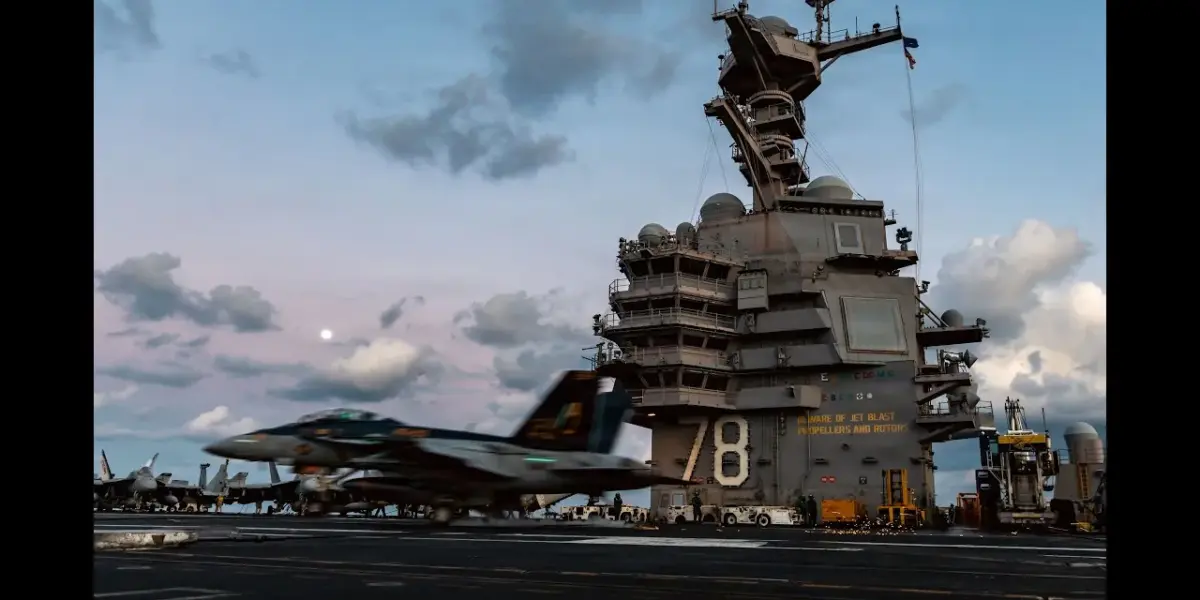
Lopez pointed out that if U.S. attention on the Middle East ends, military assets like the USS Abraham Lincoln Carrier Strike Group could be redeployed. These assets, currently in the Gulf of Oman, could return to the Far East, increasing pressure on China. This shift could also make Chinese leadership reconsider their ambitions toward Taiwan.
The U.S. strategy appears to be forcing China to choose between supporting Iran and facing economic consequences. The steadfast approach taken by the Trump administration regarding Iran might cause Xi Jinping and Beijing to re-evaluate their aggressive foreign policy. President Trump’s planned visit to Beijing, though postponed once, remains a point of observation in this evolving geopolitical situation.
Why This Matters
This analysis highlights a calculated strategy by the U.S. to isolate and pressure Iran economically, aiming for regime change. It demonstrates a willingness to use secondary sanctions, affecting global trade and potentially drawing other nations into conflict. The move also is a strong signal to China, potentially altering the balance of power in Asia and impacting future conflicts.
Looking Ahead
The effectiveness of Operation Economic Epic Fury will depend on the willingness of other nations to comply with U.S. sanctions. The economic impact on Iran and the response from China will be closely watched.
The situation highlights the complex interplay of military, economic, and diplomatic tools in international relations. President Trump’s upcoming visit to Beijing, if it proceeds, will be a critical moment to observe the direct impact of these policies.
Source: Former CIA Officer Analyses Operation Epic Fury, Iranian Oil Not Going to China (YouTube)

Related Articles


US Blockade Cripples Iran’s Sea Trade, Peace Talks Loom
The U.S. military has announced it has nearly stopped all sea trade into and out of Iran, a move that impacts 90% of Iran's economy. Meanwhile, President Trump is eyeing Pakistan as a location for potential U.S.-Iran peace talks, though significant disagreements remain on issues like uranium enrichment. Separate talks between Israel and Lebanon failed to secure a ceasefire.
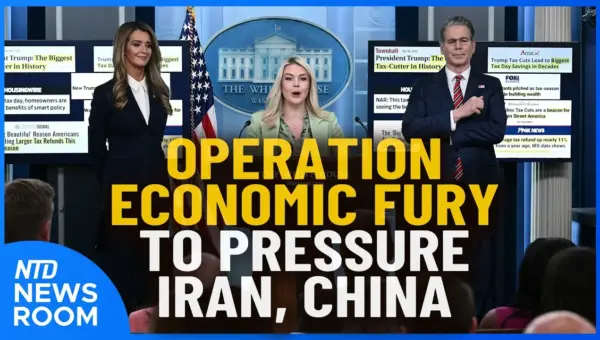
US Tightens Grip: Economic Fury Targets Iran, China
The U.S. is intensifying its pressure on Iran with an economic blockade of its ports, aiming to cripple the regime's economy and impact China's oil access. Meanwhile, Tax Day discussions highlighted recent tax cuts and economic policies. On Capitol Hill, a controversial spy bill faces debate, while a DOJ report alleges the targeting of pro-life activists.

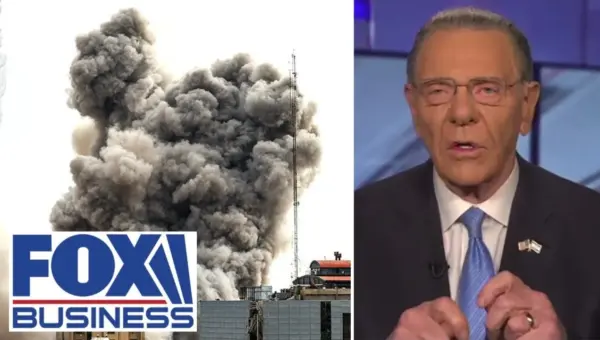
Iran Blockade Pushes Tehran to Brink: General Keane
A severe economic blockade against Iran is pushing the nation towards a critical turning point, according to General Jack Keane. He believes this pressure could force Iran to accept unfavorable terms or face total economic collapse. The strategy aims to achieve concessions without further military conflict.