Kushner, Witkoff Conflicts Cast Shadow on US-Iran Talks
President Trump's repeated claims that the war with Iran is nearly over are met with skepticism, especially as Iran threatens to block vital shipping lanes. Concerns are mounting over potential conflicts of interest involving key U.S. negotiators like Jared Kushner and Steve Witkoff, whose business dealings have financial ties to nations involved in the talks. The article questions whether past diplomatic opportunities were missed, leaving the fate of U.S. troops in the region uncertain.

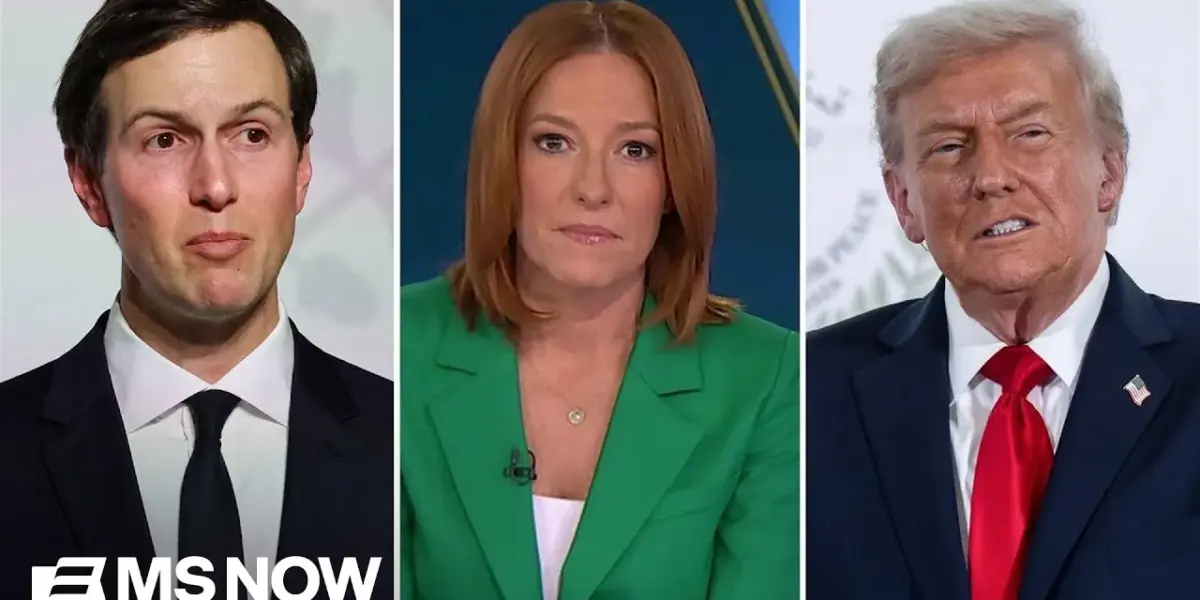
Trump Claims War is Over, But Critics Doubt His Word
President Donald Trump has repeatedly stated that the conflict with Iran is nearing its end and that a deal is imminent. However, many observers, including the speaker in the video, express deep skepticism about these claims.
This isn’t the first time Trump has declared the war almost over; he has made similar statements for over a month. The urgency in his declarations suggests Iran is eager to make a deal due to significant pressure.
Despite the president’s pronouncements, a financial analyst noted that for the stock market, the war is considered over until further notice. This optimism contrasts sharply with the reality on the ground. Over 50,000 American troops remain stationed in the region, indicating the conflict is far from resolved.
Trust Issues and Escalating Threats
The speaker points out that Trump has a history of unreliable statements regarding the war’s duration. He initially predicted it would last no more than four weeks, a prediction that proved incorrect. Even after extending that timeline, the situation remains unresolved, with a cease-fire now in its final stages.
Adding to the tension, Iran has threatened to block more shipping lanes if the U.S. does not call off its blockade. This potential action could disrupt global oil and fertilizer supplies, significantly impacting the world economy. Blocking the Red Sea, which includes the Strait of Hormuz, would cut off about 12% of global oil shipments.
Kushner’s Financial Ties Raise Conflict of Interest Concerns
Jared Kushner, a key negotiator in the U.S. talks with Iran, faces scrutiny over potential conflicts of interest. Kushner’s investment firm, Affinity Partners, received $2 billion from Saudi Arabia after Trump’s first term. He is reportedly seeking another $5 billion from Gulf states while simultaneously negotiating with Iran.
The White House maintains that Kushner acts solely in America’s best interest. However, Saudi Arabia, a major financial backer of Kushner’s firm, reportedly disagrees with the U.S. approach to negotiating with Iran. This disagreement highlights a significant potential conflict for Kushner, who is a central figure in these sensitive discussions.
Trump Family Business Interests Intertwined with Diplomacy
Concerns extend to other figures involved in the negotiations. Steve Witkoff, another real estate developer involved in talks, has financial ties to the United Arab Emirates. An investment firm linked to the UAE bought a stake in a cryptocurrency firm co-founded by Witkoff and Trump’s family before Trump took office.
LIV Golf, a golf league that provided financial support to Trump’s courses after other organizations cut ties, is reportedly being re-evaluated by Saudi Arabia. While the White House states the president has no involvement in deals impacting his constitutional duties, the Saudis’ decisions on LIV Golf could affect Trump’s finances.
Questions Surround Missed Diplomatic Opportunities
The article references reports that a potential nuclear deal was offered by Iran before U.S. and Israeli bombings began. According to The Guardian, British national security advisor believed the proposal was significant enough to prevent war. A diplomat from the Persian Gulf stated that Iran was willing to give up its highly enriched uranium.
However, Kushner and Witkoff reportedly did not accept this deal. The White House denied these reports, claiming Iran refused to negotiate seriously and that Trump was forced to act due to an imminent nuclear threat. This justification is questioned by experts who believe Iran was not close to developing nuclear weapons.
Looking Ahead: The Stakes for U.S. Troops and Diplomacy
As a deadline approaches to extend the cease-fire, the fate of over 50,000 U.S. troops in the region remains a critical concern. The current negotiating team, largely composed of individuals with business backgrounds and potential conflicts of interest, is tasked with navigating these complex diplomatic challenges.
This situation stands in contrast to previous negotiations, such as the JCPOA talks, which were led by experienced diplomats like Bill Burns and Wendy Sherman. The article concludes by questioning why a potentially viable deal was rejected, leaving many to wonder about the true motivations and consequences of the current approach to diplomacy.
Source: Kushner, Witkoff conflicts of interest cast shadow over US-Iran talks (YouTube)

Related Articles
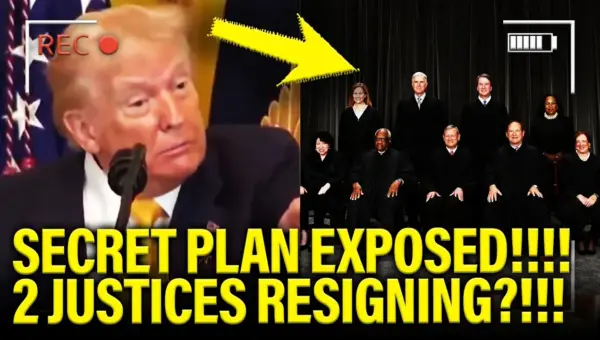
Judge’s Bold Rulings Hint at SCOTUS Audition
Recent strong rulings by DC Circuit Judge Florence Vance are interpreted by some as an audition for a Supreme Court seat. Her aggressive language and criticism of fellow judges mirror Donald Trump's style, suggesting a bid for favor. This has sparked debate about judicial independence and the politicization of appointments.
Trump’s Allies Defend His Faith Attacks, Exposing Hypocrisy
Donald Trump's attacks on Pope Francis and controversial social media posts have drawn criticism, with many allies defending his actions. This defense has led to accusations of hypocrisy, as critics question whether political loyalty is overshadowing genuine religious conviction. The situation highlights a complex relationship between faith and politics in the current era.
GOP Betrays Voters by Backing Costly Iran War
Republicans in the Senate voted to continue military actions in Iran, despite widespread public disapproval and rising domestic costs. This decision, seen as prioritizing party loyalty over voter concerns, could have significant consequences in upcoming elections.