Swalwell’s Capitol Hill Conduct: An Open Secret No More
Congressman Eric Swalwell's resignation followed years of 'open secret' allegations about his conduct. His staff's distrust and a formal expulsion motion finally brought the issue to light, raising questions about accountability in Washington.

Swalwell’s Capitol Hill Conduct: An Open Secret No More
For years, whispers about Congressman Eric Swalwell’s behavior on Capitol Hill circulated among lawmakers. Now, as he resigns his position, these concerns are coming to light, raising questions about why it took so long for action to be taken. This situation highlights a complex mix of political timing, internal distrust, and the strict rules governing conduct within the House of Representatives.
The timing of these revelations is particularly noteworthy. Many members of Congress may have avoided addressing Swalwell’s situation before the midterm elections, prioritizing their own re-election campaigns.
This reluctance to confront difficult issues, especially those involving fellow party members, can create an environment where problems linger. It suggests a pattern of political expediency sometimes overshadowing accountability.
An Open Secret on the Hill
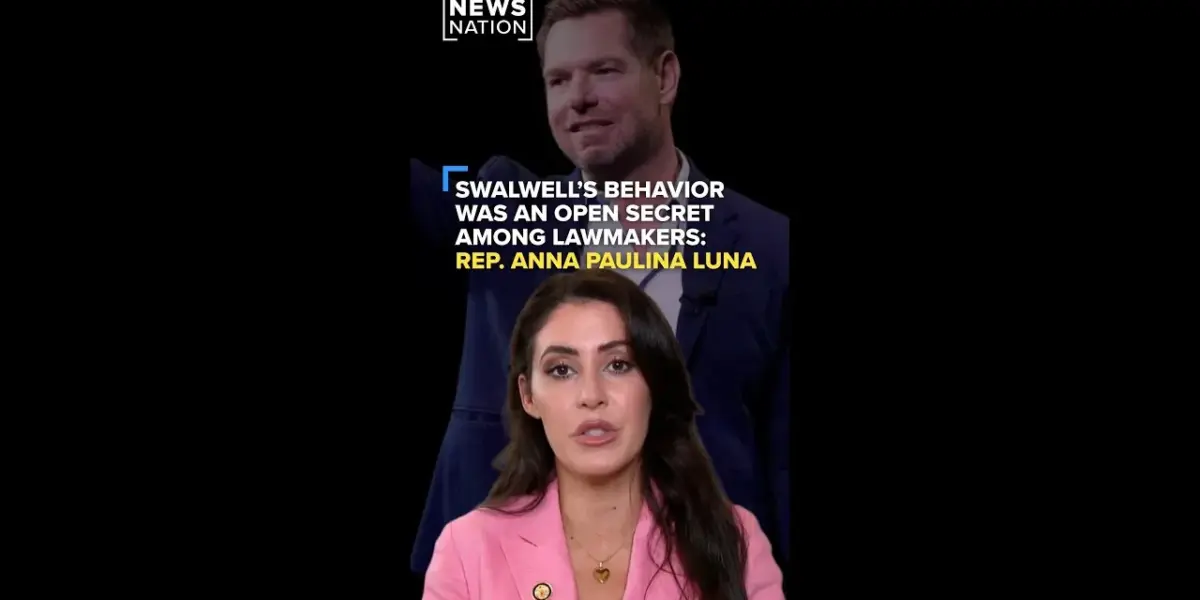
Representative Anna Paulina Luna described Swalwell’s behavior as an “open secret” among those on Capitol Hill. This sentiment was echoed by others who have been in Washington for years. The idea that such serious concerns were widely known yet unaddressed for so long points to a culture where reputation and political alliances might have played a role in delaying any official action.
The opposition research conducted by political parties often uncovers sensitive information about opponents. It’s highly probable that Swalwell’s past conduct would have been a known factor during such investigations. The fact that this information is only now leading to significant consequences suggests a shift in the political climate or a specific catalyst that forced the issue into the open.
Distrust and Staff Concerns
The situation took a dramatic turn when 50 of Swalwell’s own staff members contacted Representative Luna’s office. They urged her not to withdraw her motion for his expulsion until he had officially resigned in writing. This action by his staff reveals a profound lack of trust in Swalwell’s willingness to do the right thing on his own.
Messages from his staff asking Luna not to back down further illustrate the severity of the situation. This level of concern from those working directly with a congressman indicates that the issues were not minor or easily overlooked. It paints a picture of an environment where staff felt compelled to seek external intervention to ensure accountability.
Due Process and House Rules
The process for expelling a member of Congress involves adherence to specific House rules and due process. Representative Luna clarified that the expulsion motions for both Swalwell and another representative, Gonzalez, were based on admitted or evident inappropriate engagement with staff. Such actions are clear violations of House rules and are considered automatic grounds for expulsion.
Ensuring due process is crucial in any disciplinary action. However, when there is clear evidence of rule violations and admissions of wrongdoing, the path to expulsion becomes more straightforward. The staff’s actions suggest they believed the evidence was strong enough to warrant expulsion, making Swalwell’s resignation a way to avoid that official censure.
Why This Matters
This incident raises important questions about accountability and transparency in Congress. The prolonged period during which serious allegations were an “open secret” suggests systemic issues in how misconduct is addressed. It highlights the power dynamics at play and the courage it takes for staff or colleagues to come forward, especially when facing powerful individuals.
The reliance on opposition research and staff desperation for official action points to a potential weakness in internal oversight mechanisms. The public expects elected officials to uphold the highest standards of conduct. When those standards are compromised, and the process for addressing it is slow or politically influenced, it erodes public trust in government institutions.
Implications and Future Outlook
The Swalwell case could set a precedent for how similar situations are handled in the future. It may encourage more whistleblowers or those who are aware of misconduct to come forward, knowing that there is a greater likelihood of action being taken. It also puts pressure on House leadership to have more robust systems in place for investigating and addressing allegations promptly.
Moving forward, Congress will likely face increased scrutiny regarding its members’ conduct and the processes for ensuring ethical behavior. The events surrounding Swalwell’s resignation serve as a reminder that political considerations cannot indefinitely shield individuals from accountability. The trend towards greater transparency, fueled by both internal pressures and public awareness, suggests that such issues will continue to be brought into the light.
Historical Context
Throughout history, various scandals have rocked Capitol Hill, leading to resignations or expulsions. These events often serve as turning points, prompting reforms in ethics rules and oversight procedures. For example, the late 20th century saw several high-profile cases that led to stricter financial disclosure requirements and ethics investigations.
Each instance of alleged misconduct becomes part of the ongoing narrative of how Congress polices itself. The public’s reaction and the subsequent actions taken by the House often reflect the prevailing political and social norms of the time. The current focus on behavior towards staff, particularly in the wake of the #MeToo movement, indicates a heightened awareness and intolerance for such conduct.
The resignation of Eric Swalwell, precipitated by the actions of his staff and a formal expulsion effort, is the latest chapter in this long history. It highlights the persistent challenge of maintaining ethical standards in a complex political environment. The coming months will reveal how effectively these lessons are learned and applied.
Source: Swalwell’s behavior was a secret among lawmakers: Rep. Anna Paulina Luna | Katie Pavlich Tonight (YouTube)

Related Articles

Congress Faces Reckoning: Expulsions Expose Deep-Seated Corruption
Congressional expulsions are exposing alleged misconduct and taxpayer-funded cover-ups, raising calls for greater accountability. Efforts to reveal 'slush funds' for settlements are facing resistance, but public pressure is driving some transparency. This moment could signal a crucial shift towards ethical governance in Washington.

Party Loyalties Tested as Swalwell Controversy Roils California Politics
Allegations against Eric Swalwell have triggered debate within the Democratic Party about loyalty and vetting. As California eyes its next governor, candidates like Tom Steyer and Matt Mahan present different visions for the state's future. Meanwhile, Andrew Yang urges action on AI's potential job market disruption.
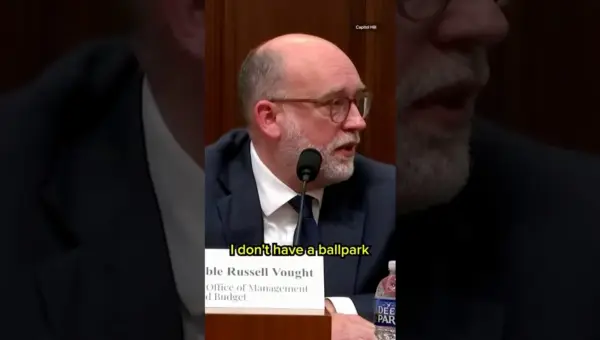
White House Won’t Estimate Iran Conflict Cost, Cites Ongoing Work
White House budget director Russ Vought stated that the administration has not yet determined how much money it will ask Congress to fund for the Iran conflict. Appearing before lawmakers at a House budget hearing, Vought admitted he does not have even a rough estimate, saying, "We're still working on it." This lack of a clear financial projection comes as tensions remain high in the region.