Tax Cuts Boost Economy, But Liberal Policies Drain States
New tax policies offer immediate financial relief by exempting tips, overtime, and Social Security from federal income tax, boosting the economy. However, critics argue that liberal state policies in places like Oregon and New York lead to inefficiency and economic decline, while political pressures on the Federal Reserve add uncertainty.

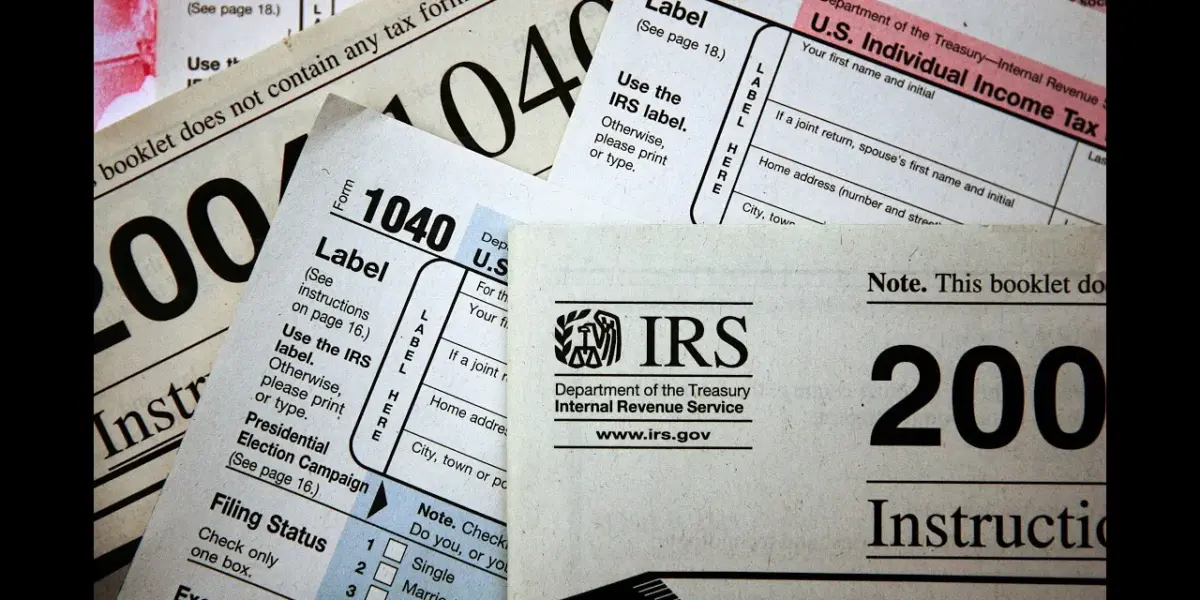
Tax Cuts Offer Real Relief, Fueling Economic Optimism
This tax season brings welcome news for many Americans, with changes that mean more money stays in their pockets. For the first time, tips, overtime pay, and Social Security benefits are not subject to federal income tax. This move provides direct financial relief, especially for seniors and working-class families.
The average tax return this year is about $3,500, an 11% increase from last year. This extra money acts like a bonus, which can be spent or saved, giving the economy a boost and making people feel more financially secure.
The idea of tax cuts helping the economy isn’t new. Historically, tax policies have often started with the aim of taxing the wealthiest, but their effects have spread to everyone.
For example, the federal income tax was first introduced in 1913 and was intended for those earning the equivalent of $12 million today. Over time, its reach expanded significantly, impacting a much broader range of incomes.
The Appeal of Low-Tax States: A Tale of Two Lifestyles
Living in a state with no income tax can make a big difference in personal finances. One analyst, who moved from New York to Florida, experienced this firsthand.
He noted an immediate 15% raise on his earnings simply by avoiding New York’s state and city income taxes. This significant financial gain highlights the substantial impact state tax policies can have on individual take-home pay.
Beyond personal savings, the analyst suggests that lower tax revenues can also lead to more efficient government services. He shared an experience at a New York driver’s license office where he waited three and a half hours for service.
In contrast, a similar visit in Florida took only 15 minutes. This suggests that when governments have less money, they may be forced to operate more effectively and prioritize essential services.
Critiques of Liberal Policies: A Look at Oregon and New York
The analyst offers a critical view of liberal governance, using Oregon as a prime example in his upcoming book, “Oregoners.” Despite its natural beauty and desirable location, Oregon faces significant challenges. Test scores for students are among the lowest in the nation, and Portland has very high tax rates for its population size.
The state struggles with a large homeless population, spending hundreds of millions annually without seeing significant improvement. The analyst describes the distribution of resources like free food, leading to waste and enabling drug use rather than solving the underlying issues. He points to high rates of people on food stamps and rapidly increasing Medicaid spending as signs of government programs spiraling out of control.
New York is also presented as a cautionary tale, with the analyst criticizing policies that increase taxes and spending on what he calls “ridiculous services.” He contrasts this with the efficiency he observed in Florida, suggesting that high taxes and excessive spending can hinder economic growth and lead to a decline in quality of life, as seen in Oregon’s job losses and population decrease.
Federal Reserve and Political Interference: A Contentious Relationship
The discussion then shifts to the Federal Reserve and its relationship with politics. There have been public statements from political figures suggesting they would remove the Fed Chair if he did not step down. This highlights a tension between the central bank’s independence and political pressure.
One senator has indicated he would block a presidential nominee to the Fed if an investigation into a costly Fed construction project is not dropped. This situation raises questions about whether political motives are influencing oversight of the Fed’s operations. The analyst views this senator’s actions as a political maneuver, possibly to gain media attention.
The construction project itself, which is billions over budget, is questioned. The analyst points out that many Fed employees work from home, making a massive office building seem unnecessary. He also expresses concern that halting an investigation into the project’s costs could prevent transparency and accountability.
Historically, the Fed’s interest rate decisions have been scrutinized. The analyst notes that during the Obama administration, rates were raised only twice in eight years.
In contrast, during the first four years of the Trump administration, rates were raised nine times. He suggests this difference might have been an effort to slow down the economy’s growth under Trump.
Why This Matters
The effectiveness of tax cuts in stimulating the economy is a central theme. When people have more disposable income, they tend to spend more, which benefits businesses and creates jobs. The contrast between low-tax states and high-tax states also illustrates how fiscal policy can influence economic migration and state-level prosperity.
The debate over government spending and efficiency is crucial. Examples like the driver’s license office and the extensive spending on social programs in places like Oregon highlight the ongoing discussion about how public funds are used and whether they achieve their intended goals. This impacts the quality of life for citizens and the overall health of a state’s economy.
The independence of the Federal Reserve is vital for economic stability. Political interference or the perception of it can create uncertainty in financial markets. Understanding the Fed’s actions and the political pressures it faces is important for anyone interested in the broader economic outlook.
Implications and Future Outlook
The continuation of tax relief on tips, overtime, and Social Security could provide ongoing support for consumer spending. State governments will likely continue to face pressure to balance their budgets while providing necessary services, leading to ongoing debates about tax rates and spending priorities.
The political dynamics surrounding the Federal Reserve suggest that interest rate policy and Fed appointments will remain subjects of intense public and political scrutiny. Future economic growth may depend on how effectively the Fed can navigate these pressures while maintaining its focus on price stability and maximum employment.
Looking ahead, the analyst’s book, “Oregoners,” is set to be released soon, offering a detailed case study on the consequences of certain liberal policies. This release may further fuel the ongoing debate about state-level governance and economic strategy.
Source: No Tax on Tips, Overtime, Social Security: Analyst on What’s New This Tax Day (YouTube)

Related Articles
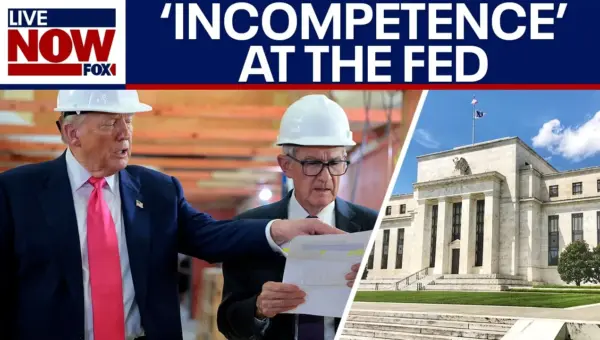
Trump Threatens Fed Chief Powell’s Job Amid Renovation Probe
President Trump has threatened to fire Federal Reserve Chair Jerome Powell if he doesn't leave his post when his term ends, citing disagreements over interest rates and the Fed's performance. The conflict is amplified by a Justice Department probe into Powell's handling of a costly Fed renovation project, which a key Republican senator is using to block a Trump nominee.
Tax Refunds Bolster Economy, But Inflation Woes Linger
The Trump administration is promoting increased tax refunds as a key economic benefit, aiming to boost consumer spending and frame tax season positively. While the stock market shows strength, persistent inflation and high living costs present ongoing challenges for American households.

Tax Law Changes Spark Debate: Citizens Share Their Views
As tax season arrives, Americans are sharing their thoughts on recent changes to their returns. While some welcome increased refunds due to new laws, others question government spending and the idea of abolishing income tax entirely. The public's views highlight ongoing debates about fairness and efficiency in the tax system.