US Blockade Cripples Iran’s Sea Trade
The U.S. military has implemented a blockade of Iranian ports, halting all ship traffic. This move, ordered by President Trump after failed talks, aims to cripple Iran's sea trade and exert economic pressure.

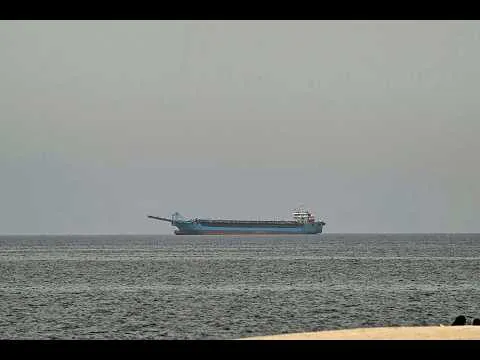
US Blockade Cripples Iran’s Sea Trade
The U.S. military has effectively stopped all ships from entering or leaving Iranian ports. This action, part of a new blockade, began Sunday and has already shown a significant impact in its first two days. Central Command (CENTCOM) reported that nine vessels have turned back towards Iran since the operation started.
President Trump ordered this blockade after diplomatic talks between the U.S. and Iran failed. The move aims to exert pressure on Iran by cutting off its sea access. Admiral Brad Cooper, CENTCOM Commander, stated that the U.S. is maintaining control over the waterways in the Middle East.
Since the blockade commenced on Monday, U.S. forces have completely halted maritime trade with Iran. This means no goods can come in or go out by sea. CENTCOM is also working to ensure that ships heading to non-Iranian destinations can still safely pass through the Strait of Hormuz, a vital shipping lane.
Why This Matters
This blockade represents a major escalation in U.S. policy towards Iran. By targeting Iran’s sea trade, the U.S. is attempting to isolate the country economically. This strategy could have far-reaching consequences for Iran’s economy and its global relations.
The effectiveness of such blockades historically has varied. In some cases, they have forced nations to negotiate or change their policies. However, they can also lead to increased regional tensions and humanitarian concerns if essential goods are affected.
Historical Context and Background
Maritime blockades have been used for centuries as a tool of warfare and political pressure. Ancient Greeks used them to cut off enemy cities, and they played a significant role in conflicts like the American Civil War and World War I. The goal is always to cripple an adversary’s ability to trade and receive supplies.
In recent history, the U.S. has used naval power to influence global affairs. However, a direct, comprehensive blockade of a nation’s ports like this is a strong statement. It signals a significant shift in U.S. strategy, moving beyond sanctions to more direct economic containment.
Implications and Future Outlook
The immediate implication is a severe disruption to Iran’s economy, which relies on oil exports and imports. This could lead to rising prices for goods within Iran and shortages of essential items. The long-term effect may depend on how long the blockade is maintained and Iran’s response.
This action could also affect global shipping routes and oil prices if tensions escalate. Other countries that rely on trade through the region will be watching closely. The U.S. hopes this pressure will bring Iran back to the negotiating table, but it could also push Iran towards closer ties with other global powers seeking to counter U.S. influence.
The U.S. military’s stated commitment to maintaining freedom of navigation for other ships is crucial. This suggests the blockade is specifically targeting Iran, not intending to disrupt all international shipping. However, the risk of miscalculation or accidental conflict in such a tense environment remains high.
The next few days will be critical in observing Iran’s reaction and the impact on international trade. The success of this strategy will likely be measured by its ability to achieve U.S. foreign policy goals without causing wider regional instability.
Source: CENTCOM: Iranian Port Blockade Has Stopped All Ships (YouTube)

Related Articles
Trump’s War Claims Spark Stupidity or Insanity Debate
Donald Trump's recent claim that 'nobody has ever ended one war' has sparked debate about his mental state and political awareness. Experts and critics point to his past statements and actions, including his handling of the Strait of Hormuz conflict, raising concerns about his fitness for office. The upcoming elections are seen as a critical juncture for assessing his political standing.


Kushner, Witkoff Conflicts Cast Shadow on US-Iran Talks
President Trump's repeated claims that the war with Iran is nearly over are met with skepticism, especially as Iran threatens to block vital shipping lanes. Concerns are mounting over potential conflicts of interest involving key U.S. negotiators like Jared Kushner and Steve Witkoff, whose business dealings have financial ties to nations involved in the talks. The article questions whether past diplomatic opportunities were missed, leaving the fate of U.S. troops in the region uncertain.
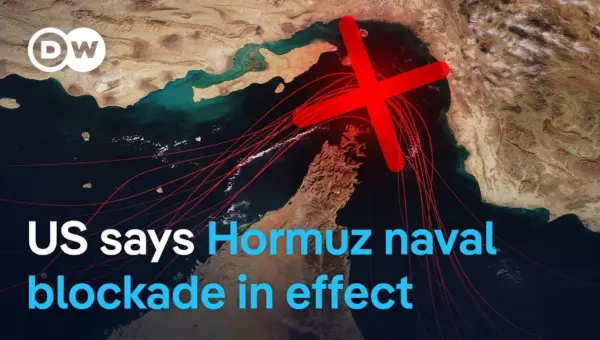
US Navy Blocks Iran’s Sea Trade, Escalating Regional Tensions
The U.S. military has announced a naval blockade on Iran, halting all sea-based trade and asserting control over maritime traffic. This action follows Iran's earlier disruption of the vital Strait of Hormuz. Experts weigh in on the legality, effectiveness, and potential for escalation, with concerns raised about China's role and the strain on U.S. naval resources.