Giant Hail Pelts Midwest, Fueling Storm Fears
Golf ball-sized hail and multiple tornadoes battered parts of the Midwest, including Iowa and Wisconsin. These powerful storms highlight the destructive potential of severe weather. Understanding the atmospheric conditions and community preparedness are crucial for safety.

Giant Hail Pelts Midwest, Fueling Storm Fears
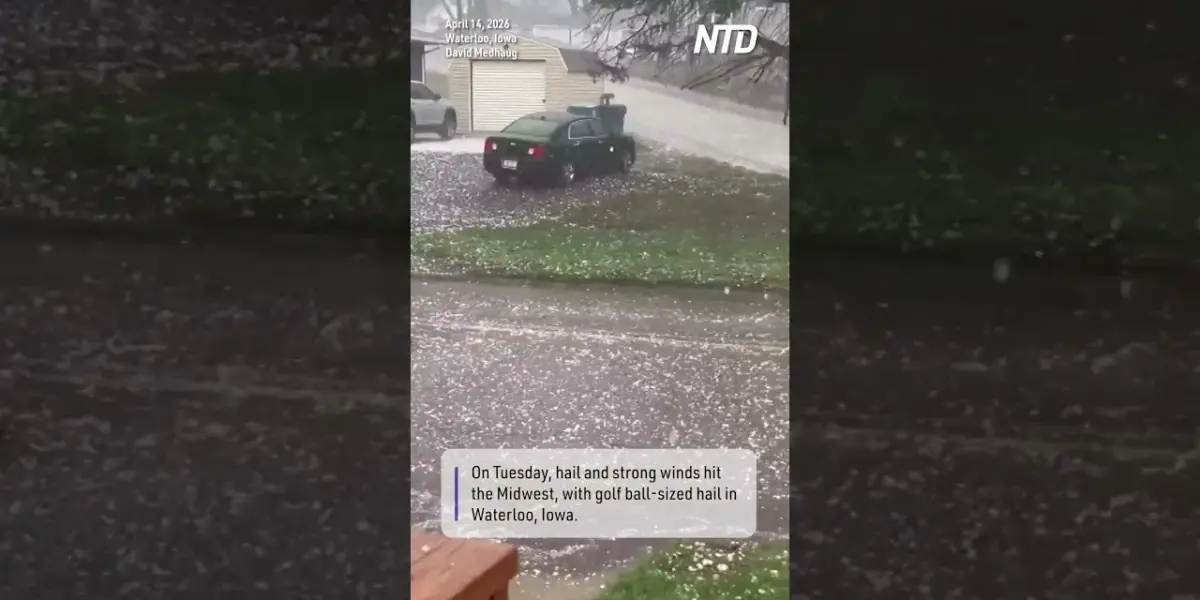
Storms brought large hail, some as big as golf balls, to the Midwest recently. These powerful storms also caused strong winds and multiple tornadoes.
Parts of Iowa and Wisconsin experienced the worst of the weather. The event highlights the growing intensity of severe weather in the region.
In Waterloo, Iowa, residents witnessed hail the size of golf balls falling from the sky. Meanwhile, eastern Iowa and south-central Wisconsin were hit by several tornadoes. These powerful twisters tore through communities, causing significant damage and raising safety concerns.
Understanding the Storms
These types of severe weather events are often fueled by a combination of atmospheric conditions. Warm, moist air from the Gulf of Mexico can meet cooler, dry air from the north.
When these air masses collide, they can create unstable conditions perfect for thunderstorms. The added energy from these clashes can lead to the formation of large hail and powerful updrafts within the storm clouds.
Hail forms when updrafts in thunderstorms carry raindrops high into the atmosphere. These raindrops freeze and then fall back down, collecting more water on their way.
They get carried back up by the updraft, and if the updraft is strong enough, they can grow much larger before falling to the ground. The size of the hail depends on how long these ice pellets are tossed around inside the storm cloud.
Historical Context of Midwest Storms
The Midwest has a long history of experiencing severe weather, including hailstorms and tornadoes. This region is often called “Tornado Alley” because of the frequent tornado activity, especially in the spring and early summer.
However, the intensity and frequency of these storms can vary from year to year. Scientists are studying whether climate change is influencing these patterns, potentially making storms more severe.
Past severe weather events have shown the destructive power of such storms. Large hailstones can cause extensive damage to cars, homes, and crops.
Tornadoes can completely flatten buildings and pose a serious threat to life. Preparedness and early warning systems are crucial for protecting communities in these vulnerable areas.
Impact on Communities
The recent storms in Iowa and Wisconsin caused considerable damage. Golf ball-sized hail can dent cars and break windows.
It can also damage roofs and siding, leading to costly repairs for homeowners. The economic impact can be significant, affecting not only individuals but also businesses and agriculture.
Tornadoes, even weaker ones, can cause widespread destruction. Homes can be destroyed, and infrastructure like power lines can be knocked down.
This leaves communities without essential services and can take a long time to rebuild. The psychological impact on those who experience these events can also be profound.
Looking Ahead: Trends and Preparedness
Meteorologists continue to monitor weather patterns for signs of future severe storms. Understanding the conditions that lead to large hail and tornadoes is key to providing timely warnings. Advances in weather technology, like Doppler radar, help forecasters predict storm development with greater accuracy.
Community preparedness is also vital. Having a plan in place for severe weather can save lives.
This includes knowing where to take shelter during a tornado warning and securing outdoor property before a hailstorm hits. Staying informed through local weather alerts is essential for everyone living in storm-prone regions.
Why This Matters
Events like the recent hail and tornado outbreaks in the Midwest are a clear reminder of nature’s power. They highlight the importance of understanding severe weather and preparing for its impact. As weather patterns potentially shift, staying informed and ready becomes even more critical for the safety and well-being of communities across the nation.
The ability to predict and warn about these dangerous storms helps save lives and reduce damage. Continued research into storm formation and climate influences will be important. Public awareness and individual preparedness play a key role in mitigating the effects of these powerful weather events.
The next severe weather season is always on the horizon. Staying updated on weather forecasts and safety guidelines is a continuous necessity for residents in storm-prone areas.
Source: Golf Ball Sized Hail Hits the Midwest (YouTube)

Related Articles

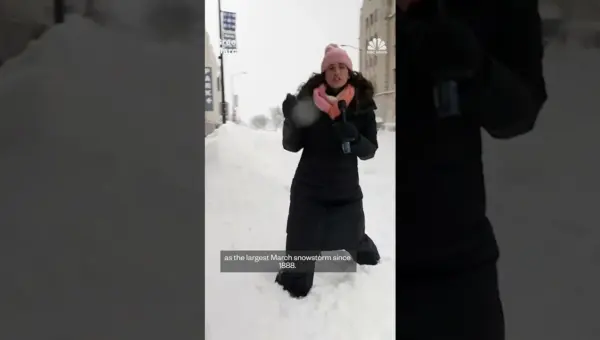
US Hit by Snow Blizzards and Tornado Threats
Record-breaking snow has buried the Midwest, with one town receiving three feet and Green Bay experiencing its largest March snowstorm since 1888. Meanwhile, the East Coast faced severe storms and tornado threats, leading to over 4,000 flight cancellations nationwide. The South also saw unusual frigid temperatures and snowfall.


Severe Storms Batter US; Peace Talks with Iran Loom
Millions of Americans are bracing for more severe weather, including tornadoes and record heat, as storms continue to sweep across the nation. Meanwhile, diplomatic efforts are underway, with the US expected to renew peace talks with Iran. Former Congressman Eric Swalwell is also facing a criminal investigation following new allegations.
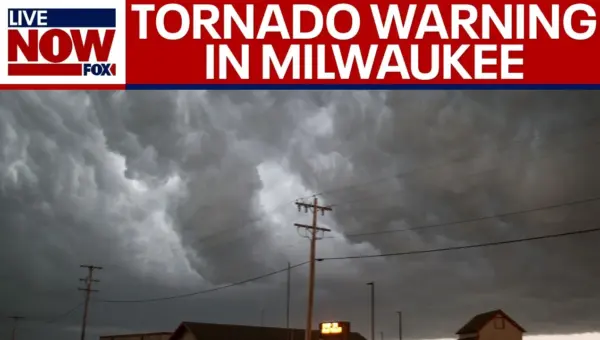
Milwaukee News Team Shelters During Live Tornado Coverage
The Fox 6 Milwaukee news team took shelter in their station's basement during live tornado coverage, prioritizing staff safety while maintaining broadcast continuity. The decision came as a powerful storm with rotation and severe thunderstorm warnings approached the area.