North Korea Honors Kim Il-sung Amid Economic Woes
North Korea recently commemorated the 112th birthday of its founder, Kim Il-sung, with public celebrations and displays of loyalty. The festivities took place against a backdrop of significant economic hardship and international sanctions. The regime continues to prioritize its military programs, impacting the daily lives of its citizens.

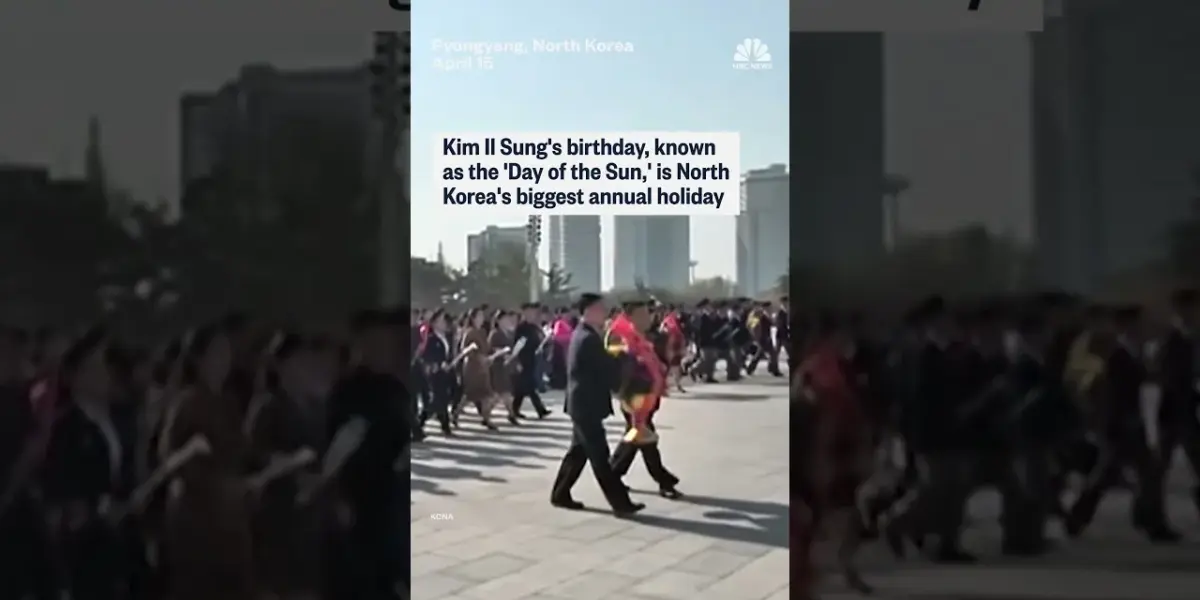
North Korea Marks Founder’s Birthday Amidst Challenges
North Korea recently celebrated the 112th birthday of its late founder, Kim Il-sung, a significant national holiday known as the Day of the Sun. State media showed citizens participating in traditional events, including visits to statues and public gatherings, highlighting the continued reverence for the country’s founding leader. This annual commemoration is a crucial moment for the regime to reinforce its legitimacy and national unity.
However, the celebrations occur against a backdrop of considerable economic hardship and international isolation. Reports indicate ongoing struggles with food security and a general lack of resources, issues that have persisted for years. The government’s focus on ideological devotion and military strength often overshadows the pressing needs of its population.
Ideological Purity and National Unity
The Day of the Sun is one of the most important holidays in North Korea, second only to the birthday of current leader Kim Jong-un’s father, Kim Jong-il. The government uses these occasions to promote the Kim dynasty’s narrative of heroic leadership and national salvation. Citizens are expected to show unwavering loyalty, with mandatory participation in various events designed to display collective devotion.
Young people, in particular, are encouraged to engage in activities like mass games and parades, reinforcing the idea that the future of the nation rests on their continued adherence to the ruling ideology. These displays are carefully managed to project an image of a strong and unified nation, both internally and to the outside world.
Economic Realities Behind the Festivities
Despite the outward displays of national pride and unity, North Korea continues to face significant economic challenges. Years of international sanctions, coupled with the country’s self-imposed isolation and inefficient economic system, have led to chronic shortages of food, fuel, and essential goods. The agricultural sector remains vulnerable, often failing to meet the nation’s basic food needs.
The government’s prioritization of its nuclear weapons program and military development further strains its limited resources. While state media focuses on patriotic celebrations, many ordinary North Koreans likely experience the stark contrast between official propaganda and their daily struggles for survival. Access to reliable information about the true extent of these economic issues is severely restricted within the country.
International Relations and Sanctions
North Korea’s pursuit of nuclear weapons has led to extensive international sanctions, severely limiting its ability to engage in global trade and access necessary resources. These sanctions, imposed by the United Nations and individual countries, aim to pressure the regime into abandoning its weapons programs. However, they have also had a profound impact on the daily lives of ordinary citizens.
The country’s diplomatic relations remain strained, with limited engagement from most of the international community. This isolation makes it difficult for North Korea to secure foreign aid or investment, further exacerbating its economic problems. The government often blames external forces, particularly the United States and South Korea, for its difficulties.
Looking Ahead: Continued Challenges
As North Korea moves past this significant commemoration, the underlying challenges of economic development and international isolation are likely to persist. The regime’s commitment to its military ambitions suggests that significant shifts in resource allocation are improbable in the near future.
The focus will likely remain on maintaining internal stability and projecting an image of strength. Any potential changes in the country’s trajectory will depend on complex geopolitical factors and the regime’s willingness to engage in meaningful reform. Observers will continue to monitor the economic situation and any signals of potential policy shifts from Pyongyang.
Source: North Korea commemorates its late founder's birthday (YouTube)

Related Articles


US Missiles Shifted From Korea, Aiding China’s Goals
The United States has reportedly moved critical missile defense interceptors from South Korea to the Middle East, weakening Seoul's protection against North Korea. This shift appears to benefit China, which has long opposed the US missile defense presence in the region due to radar surveillance concerns. While South Korean officials express confidence, public surveys indicate growing pessimism about US relations.
Russia Faces Economic Strain Amid Sanctions and Disease Outbreaks
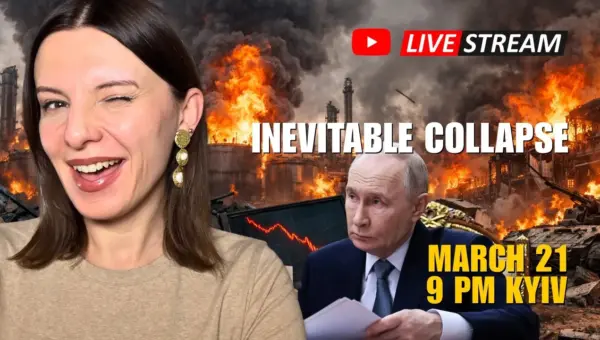
Russia faces mounting economic challenges, including the impact of international sanctions and a developing livestock crisis potentially involving Foot and Mouth Disease. The country's federal budget is reportedly strained, with inflation rising and recession predicted. Meanwhile, Ukraine's modern warfare experience, especially in drone technology, is highlighted as a key strategic asset.

Kim Jong Un’s Daughter Drives Tank Amid Succession Rumors
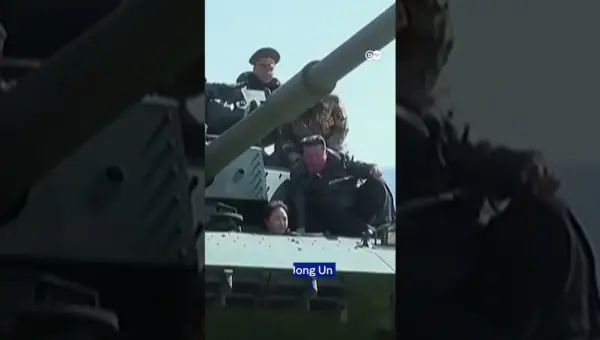
North Korean leader Kim Jong Un's teenage daughter was recently seen driving a tank during military training, intensifying speculation about her potential succession. This event follows recent elections where ruling party candidates ran unopposed. Her increasing public visibility suggests a deliberate effort by the regime to prepare her for leadership in the dynastic dictatorship.