Colombia Weighs Killing ‘Cocaine Hippos’ Escaped from Escobar Zoo
Colombia is considering killing up to 80 hippos that escaped from Pablo Escobar's private zoo decades ago. The non-native animals now number around 170, posing dangers to humans and the environment. Animal rights activists have criticized the proposed culling as a cruel and easy way out.


Colombia Faces Hippo Crisis Years After Escobar
Colombia is grappling with a growing problem: dozens of hippopotamuses, originally brought to the country by drug lord Pablo Escobar, may have to be killed. Back in the 1980s, Escobar imported four hippos for his private zoo. After his death, these animals escaped into the wild and have been multiplying rapidly ever since.
Today, an estimated 170 hippos now roam freely in Colombia. This makes it the largest population of wild hippos found anywhere outside of Africa. The situation has become a serious concern for both human safety and the local environment.
Hippos Pose Danger to People and Wildlife
These animals are not just a novelty; they pose a real threat. The hippos have attacked local residents, causing injuries and fear. Their large size and territorial nature make them dangerous when encountered unexpectedly.
Beyond direct harm to people, the hippos are also damaging the local environment. Their waste pollutes rivers, affecting water quality for other animals and humans. They also compete with native species for food and territory, pushing out animals like river manatees and turtles.
Failed Attempts to Control the Population
Colombian authorities have tried other methods to manage the growing hippo population. Efforts to sterilize the animals or capture and move them to new locations have been attempted. However, these plans have faced significant hurdles.
High costs and the inherent dangers involved in capturing and relocating such large, wild animals have made these methods impractical. The sheer number of hippos and their unpredictable behavior make these operations extremely difficult and expensive to carry out successfully.
Government Proposes Culling as Last Resort
Facing these challenges, Colombia’s environment minister has announced a controversial decision. Up to 80 of the hippos may be killed to control the population. This drastic measure is proposed as a way to prevent the invasive population from exploding further.
Officials warn that without intervention, the hippo population could reach as many as 1,000 by the year 2035. This exponential growth would only worsen the existing problems of danger and environmental damage.
Animal Rights Activists Condemn the Plan
The government’s proposal has drawn sharp criticism from animal rights groups. Activists argue that killing the hippos is an overly harsh response. They believe the government is choosing the easiest path rather than finding more humane solutions.
These groups are calling for alternative strategies that prioritize the animals’ welfare. They express concern that a mass culling could be seen as a cruel act, especially given the animals’ origin story tied to a notorious criminal.
Escobar’s Legacy Continues to Haunt Colombia
The ongoing hippo issue is a strange and persistent reminder of Pablo Escobar’s dark legacy. Though the infamous drug lord has been gone for decades, the consequences of his exotic pet collection continue to create problems for Colombia.
The situation highlights the complex challenges that arise when non-native species are introduced into new environments. It also raises difficult questions about how to manage animal populations that pose a threat but have a unique, albeit problematic, history.
What Happens Next?
The Colombian government’s decision to consider killing the hippos marks a critical point. The coming weeks will likely see further debate and potential legal challenges from animal welfare organizations. The fate of these ‘cocaine hippos’ remains uncertain as the country seeks a solution to this long-standing problem.
Source: Do "cocaine hippos" have to die? | DW News (YouTube)

Related Articles


World Lights Dim for Earth Hour Climate Call
Iconic landmarks and millions of people worldwide turned off their lights for the 20th annual Earth Hour on Saturday. The WWF campaign aimed to raise awareness about environmental protection and the urgent need for climate action. Beyond the symbolic hour of darkness, the event calls for sustained commitment to sustainable living and stronger environmental policies.


Body Found in Colombia Likely Missing Flight Attendant
The search for missing American Airlines flight attendant Eric Fernando Gutierrez Molina has tragically concluded. Officials in Medellin, Colombia, announced Friday they believe they have found his body. The discovery comes after days of searching and raises concerns about the use of a dangerous sedative drug.

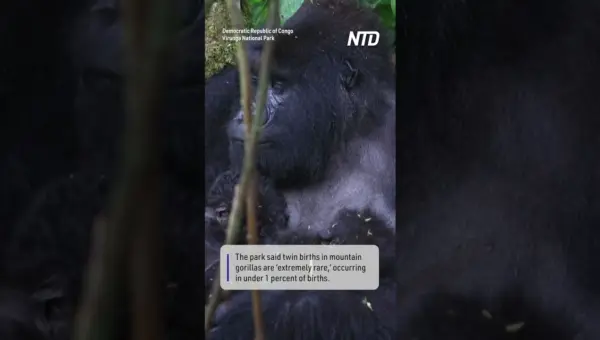
Gorilla Twins’ Births Signal Hope for Endangered Species
Two sets of rare mountain gorilla twins have been born in Virunga National Park within three months. This extraordinary event signals a major conservation success for an endangered species. These births offer a powerful symbol of hope and highlight the importance of continued protection efforts.