Trump Sees Iran Conflict Nearing End, Cites Nuclear Deal
Former President Donald Trump believes the conflict involving Iran is nearing its end and that Iran is eager to make a deal. He cited actions taken during his presidency to prevent Iran from acquiring nuclear weapons. This potential de-escalation could influence energy markets and investor sentiment.


Trump Signals Potential End to Iran Conflict
Former President Donald Trump believes the current conflict involving Iran is nearing its conclusion. He stated that if he had not taken certain actions, Iran would possess a nuclear weapon today.
This scenario, he argued, would have forced a difficult and unwanted engagement. Trump views the situation as very close to being over.
He suggested that if U.S. forces were to withdraw immediately, it would take Iran two decades to rebuild its nation. This implies a significant disruption to Iran’s capabilities.
Trump also indicated that Iran is eager to reach an agreement. He believes they strongly desire to make a deal.
Key Statements and Market Context
Trump’s remarks, made during a recent public appearance, touch upon sensitive geopolitical issues that often influence global markets. While the transcript does not detail specific economic impacts or market reactions, the mention of a potential de-escalation or resolution in the Middle East is significant. Geopolitical tensions in the region frequently affect oil prices and investor sentiment.
The core of Trump’s argument centers on preventing Iran from acquiring nuclear capabilities. He framed his past actions as a deterrent.
His current assessment suggests a belief that this objective has been largely met or is manageable. This viewpoint implies a potential shift in regional stability, though the specifics remain unclear from the provided text.
What Investors Should Know
While former President Trump’s statements offer a perspective on the potential end of a conflict, it is crucial for investors to understand the broader context. Geopolitical events, especially those involving major energy-producing regions like the Middle East, can directly impact global supply chains and commodity prices.
For instance, heightened tensions often lead to increased oil prices due to fears of supply disruptions. Conversely, a perceived de-escalation can lead to a decrease in oil prices.
Trump’s mention of a potential deal suggests a diplomatic pathway might be opening. Such developments can reduce market uncertainty. Investors often react positively to signs of reduced conflict, as it typically leads to more stable economic conditions.
However, the details of any such deal would be critical in determining its actual market impact. The long-term implications depend heavily on the specifics of any agreement and Iran’s future actions.
Sector and Index Considerations
The energy sector, particularly oil and gas companies, is highly sensitive to Middle Eastern developments. A resolution or significant de-escalation could lead to lower crude oil prices, impacting the profitability of exploration and production companies. Conversely, defense contractors might see reduced demand if geopolitical risks diminish.
Broader market indices, such as the S&P 500 or Dow Jones Industrial Average, can also be affected. Reduced geopolitical risk often translates to improved investor confidence, potentially boosting stock markets.
However, the U.S. stock market is complex, with many factors influencing its performance beyond a single geopolitical event. Investors should monitor economic data, corporate earnings, and central bank policies alongside international relations.
Looking Ahead
Trump’s assertion that Iran is eager to make a deal warrants attention. The nature of this potential agreement and the timeline for its finalization are key factors to watch. Any concrete steps toward a diplomatic resolution would be a significant development for regional stability and global markets.
Source: JUST IN: Trump signals when Iran war could come to an end (YouTube)

Related Articles

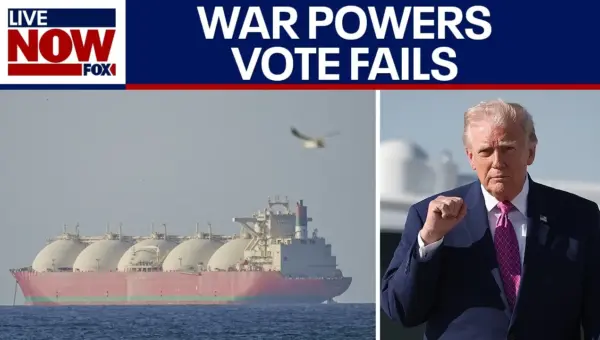
Senate Blocks Limits on Trump’s War Powers Against Iran
The U.S. Senate has voted against limiting President Trump's war powers concerning Iran, rejecting a resolution that aimed to restrict his ability to order further military strikes. Democrats have repeatedly pushed for such limitations, citing concerns over potential escalation and the cost of conflict. Despite some bipartisan unease, the measure failed to gain sufficient support.


Fetterman Stands Apart: Votes Against Iran War Powers Bill
Senator John Fetterman announced he will be the sole Democrat voting against a resolution to end U.S. military action against Iran. He also plans to oppose blocking weapons for Israel, signaling a departure from his party's current direction. This move highlights potential divisions on foreign policy within the Democratic party.

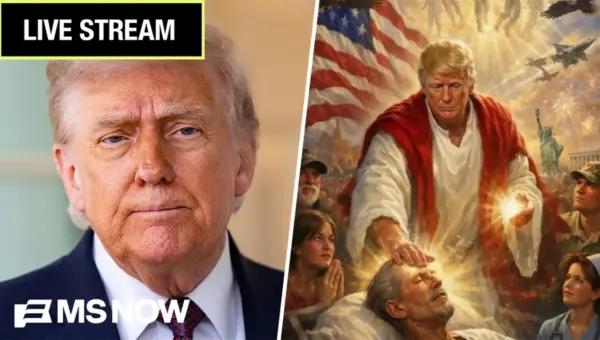
White House Briefs Amid Outcry Over Trump’s AI Jesus Image
The White House held a press briefing addressing public backlash over a controversial AI-generated image of Donald Trump as Jesus Christ. The incident highlights growing concerns about the use of artificial intelligence in political messaging and the spread of misinformation. Officials reiterated the administration's commitment to combating AI misuse and promoting transparency.