Military Sidesteps President’s Orders Amid Leadership Concerns
High-ranking military officials are reportedly modifying presidential directives due to concerns about erratic statements, as seen with a recent naval blockade order. This situation sparks debate about presidential authority and military judgment.

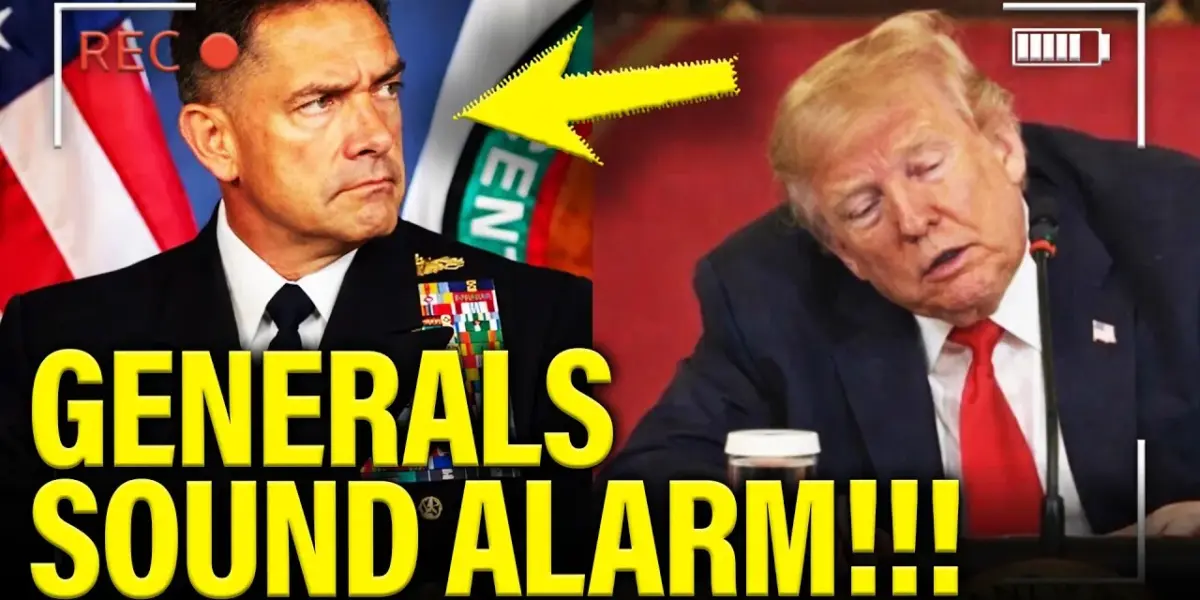
Military Leaders Adjust Orders Amid Concerns Over President’s Statements
High-ranking military officials are reportedly adjusting or interpreting presidential directives in ways that deviate from stated commands. This approach stems from concerns within the military, particularly at the highest levels like CENTCOM, that some of the president’s pronouncements are erratic or potentially harmful. Instead of outright refusal, the strategy appears to be to implement orders in a modified manner, aiming to mitigate what are perceived as catastrophic outcomes.
This situation raises questions about the chain of command and the practical application of military strategy when there are doubts about the president’s judgment. The military’s actions suggest a growing belief that certain directives, if followed literally, could lead to severe negative consequences.
Blockade Order Shows Military’s Navigational Strategy
A recent example involved a directive for a complete blockade of the Strait of Hormuz and the Persian Gulf. The president’s public statements clearly called for a comprehensive blockade. However, CENTCOM’s subsequent announcement detailed a plan that focused only on Iranian ports, excluding others in the region.
This selective enforcement strategy meant the blockade was not as expansive as initially suggested by the president. Reports indicate that this modified approach was less effective, with ships, including Chinese vessels, passing through with minimal obstruction. This suggests the military is seeking ways to appear compliant while limiting potential risks.
Historical Context: Adapting to Presidential Directives
This isn’t the first time military leaders have faced complex directives. Historically, military planning involves assessing feasibility and potential consequences. However, the current situation appears to involve a more direct divergence from stated presidential intent, driven by perceived instability in those statements.
The military’s actions can be seen as a response to a perceived need to safeguard national interests and prevent unintended escalation. This balancing act between following orders and exercising prudent judgment is a critical aspect of military leadership.
Broader Concerns About Presidential Conduct
Beyond specific military orders, there are broader discussions about the president’s public statements and behavior. Instances like suggesting nuclear weapons testing or posting unusual imagery have drawn attention.
Some political figures have publicly questioned the president’s mental stability, even suggesting invoking the 25th Amendment. These discussions highlight a deep concern among some about the president’s fitness for office and the potential impact on national and international affairs.
Public Reaction and Internal Military Morale
Reports indicate low morale within the military, with an increase in service members seeking to leave or questioning their involvement. The GI Rights Hotline has seen a surge in calls, with many service members expressing confusion and moral unease about current military actions and potential conflicts.
This internal dissent suggests that the perceived disconnect between presidential statements and military reality is affecting troops. The military’s leadership appears to be navigating these concerns while also managing directives from the commander-in-chief.
Why This Matters
The apparent divergence between presidential directives and their execution by the military is a significant development. It suggests a critical reevaluation of presidential commands at the highest levels of defense. This situation could impact international relations, military readiness, and public trust in leadership.
When the military feels compelled to alter or reinterpret orders, it signals a breakdown in clear communication and a potential crisis of confidence. The ability of the president to command and for those commands to be executed as intended is fundamental to national security.
Implications and Future Outlook
This dynamic raises serious questions about presidential authority and the military’s role in a democracy. It highlights the tension between civilian control of the military and the military’s responsibility for strategic execution and national safety.
Moving forward, the consistency and clarity of presidential directives will be crucial. The military’s ability to adapt while maintaining operational integrity will be tested. The public and political discourse surrounding these events will likely continue to shape perceptions of leadership and governance.
Looking Ahead
The coming months will likely reveal more about how these tensions are managed. The effectiveness of the military’s current approach in balancing directives with strategic prudence remains to be seen.
The next presidential election will also be a key factor in determining the future direction of these dynamics.
Source: Trump LOSES IT as Generals REACT to HIS HEALTH COLLAPSE!! (YouTube)

Related Articles

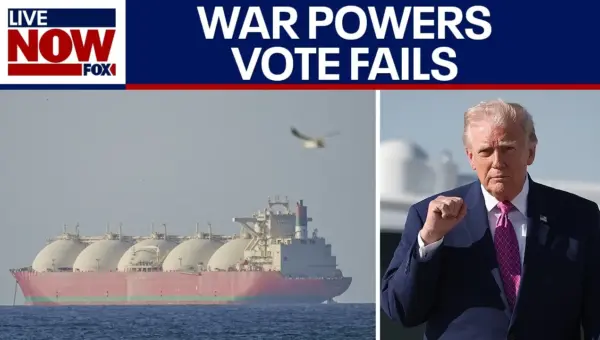
Senate Blocks Limits on Trump’s War Powers Against Iran
The U.S. Senate has voted against limiting President Trump's war powers concerning Iran, rejecting a resolution that aimed to restrict his ability to order further military strikes. Democrats have repeatedly pushed for such limitations, citing concerns over potential escalation and the cost of conflict. Despite some bipartisan unease, the measure failed to gain sufficient support.

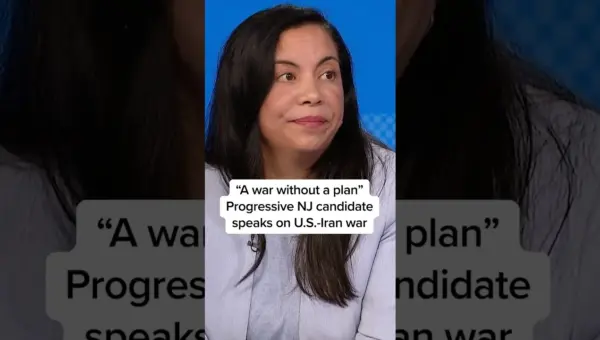
NJ Candidate Slams US-Iran War as ‘Costly Mistake’
Progressive New Jersey congressional candidate Analilia Mejia criticizes U.S. involvement with Iran as a "war without a plan." She argues that military spending diverts resources from domestic needs, directly impacting American families' finances. Mejia pledges to prioritize diplomacy and constituent economic well-being if elected.

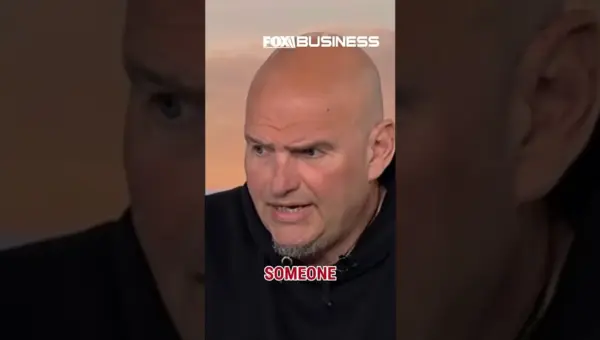
Fetterman Stands Apart: Votes Against Iran War Powers Bill
Senator John Fetterman announced he will be the sole Democrat voting against a resolution to end U.S. military action against Iran. He also plans to oppose blocking weapons for Israel, signaling a departure from his party's current direction. This move highlights potential divisions on foreign policy within the Democratic party.