World Cup 2026 Ticket Prices Skyrocket, Fans Face Financial Strain
The 2026 World Cup is set to be the most expensive ever, with soaring ticket prices forcing fans to drastically alter their plans and budgets. FIFA's use of dynamic pricing, where costs fluctuate with demand, is a major driver of these increased expenses. This financial strain has led to fan discontent and even calls for boycotts, questioning the accessibility of major sporting events.


Fans Brace for Record Costs at 2026 World Cup
The upcoming 2026 FIFA World Cup, set to be hosted across the United States, Canada, and Mexico, is poised to become the most expensive sporting event of its kind ever. Reports indicate that ticket prices are already soaring, forcing passionate fans to reconsider their attendance plans and budgets. Many are finding that the dream of seeing their national teams compete on the global stage comes with a hefty price tag.
One dedicated fan, Brazil’s Santanao P, estimates he has already spent between $30,000 and $40,000 to follow Brazil’s games. He explained that his initial travel plans, made before ticket prices were released, had to be significantly altered. “Before the ticket prices were published, I was thinking, ‘Oh, maybe after this match, I’ll travel after the prices, this this plan was started,'” he stated, highlighting the impact of the rising costs on fan logistics and expectations.
FIFA’s Dynamic Pricing Strategy
FIFA is employing a dynamic pricing strategy for the 2026 World Cup. This means ticket costs will change based on real-time demand, similar to how airline tickets or ride-sharing services adjust their prices. This approach aims to maximize revenue but can lead to unpredictable and often higher prices for consumers.
The impact of this strategy is significant. One fan mentioned that tickets for a match were averaging around $500 each.
This forced them to secure accommodation in San Francisco and motels, with nightly rates ranging from $150. This shows how ticket costs alone can dictate travel and lodging choices for attendees.
Years of Saving for a Dream Match
For some, attending the World Cup has been a long-term financial goal. US ADR Melgar shared that he has been saving specifically for this event for years.
He even opened a separate bank account, regularly depositing money each month to ensure he could afford the trip. “I actually opened up a separate bank account where I justed like putting in like a month,” he explained.
Even with years of dedicated saving, Melgar found that the final cost exceeded his initial expectations. The sheer amount of money required highlights the extreme measures fans are taking. This level of financial planning highlights the immense value placed on experiencing the World Cup live.
Calls for Boycotts and Fan Discontent
The escalating costs have sparked significant backlash and calls for boycotts among some fan groups. One spectator voiced strong opposition, stating that if fans are not accepted, their teams should not participate, and supporters should boycott the event. This sentiment reflects a growing frustration with FIFA’s commercial approach to the sport.
“Ce spectate, il y a pas de sport, il y a pas de divertissement,” the fan lamented, translating to “This spectator, there is no sport, there is no entertainment.” This quote captures the feeling that the event is becoming less about the game and more about profit, alienating the very people who make it popular.
Broader Implications and Future Outlook
The financial barriers erected for the 2026 World Cup raise questions about accessibility and the future of major sporting events. While dynamic pricing and high costs can generate substantial revenue for organizers, they risk alienating a significant portion of the fanbase. This could lead to decreased attendance, less vibrant fan atmospheres, and a disconnect between the sport and its supporters.
As the tournament approaches, the tension between organizers seeking maximum profit and fans demanding affordability is likely to grow. The success of the 2026 World Cup may depend not only on the quality of the football but also on FIFA’s ability to address fan concerns about financial accessibility. The next steps will involve monitoring how FIFA responds to this growing discontent and whether any adjustments are made to ticket sales or pricing strategies.
Source: The 2026 World Cup: The most expensive ever | DW News (YouTube)

Related Articles


Tunisia Eyes Albania for World Cup Opener
Tunisian football fans have voiced their preference for facing Albania in their opening match of the 2026 World Cup. Supporters see Albania as the easiest opponent among the potential UEFA Path B matchups, believing it offers the best chance for an early victory.


FIFA Accused of Profiting from Disabled Fans at World Cup
FIFA's ticketing policy for the 2026 World Cup is facing backlash for making it significantly more expensive and difficult for fans with disabilities to attend. Accessible tickets have seen a massive price increase, and companions must now pay full price, doubling costs for many.

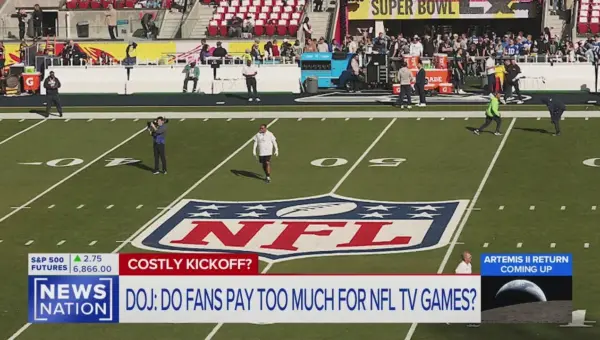
DOJ Probes NFL’s High Cost for Fans
The U.S. Department of Justice is investigating the NFL, citing concerns that fans are overpaying and facing complicated access to games. With games spread across 10 networks and streamers, the cost to watch the entire season can exceed $1,000 annually. The league defends its current model, emphasizing free broadcast availability, while lawmakers also scrutinize the distribution practices.