US Senator Vance Backs Orbán Amid Hungary Election Shake-Up
U.S. Senator J.D. Vance visited Budapest to support Hungarian Prime Minister Viktor Orbán ahead of a critical election. Orbán faces a strong challenge from Peter Magyar, a populist from his own party, despite his long tenure and control over Hungarian media. Hungary's role as a disruptive force within the EU and its relationship with Russia make this election significant.

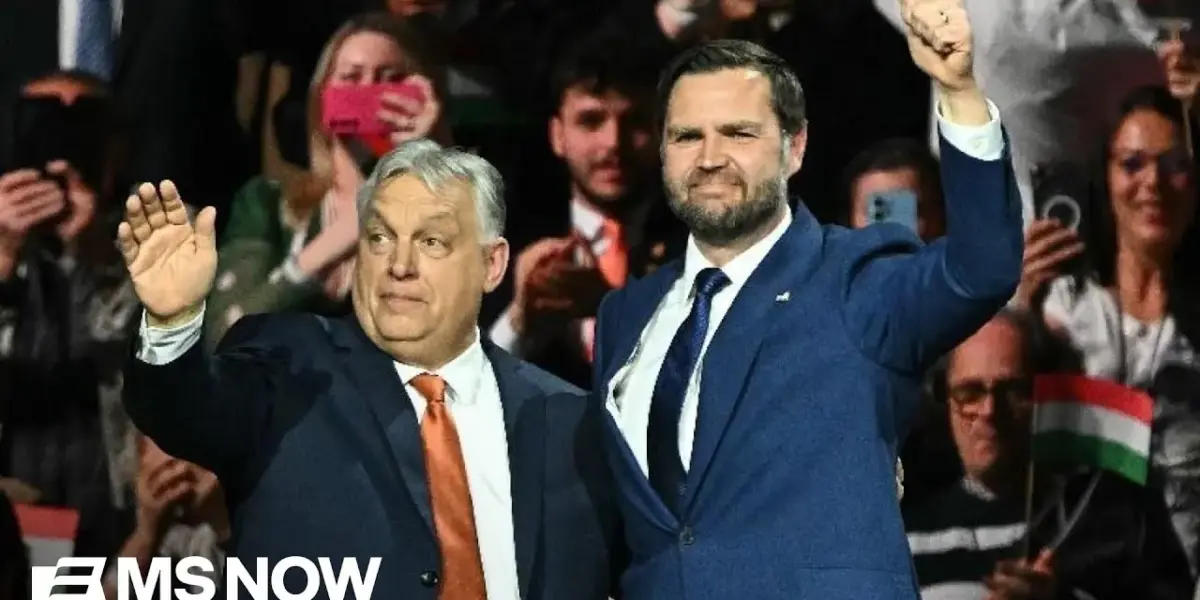
Vance Endorses Hungarian Leader Ahead of Crucial Vote
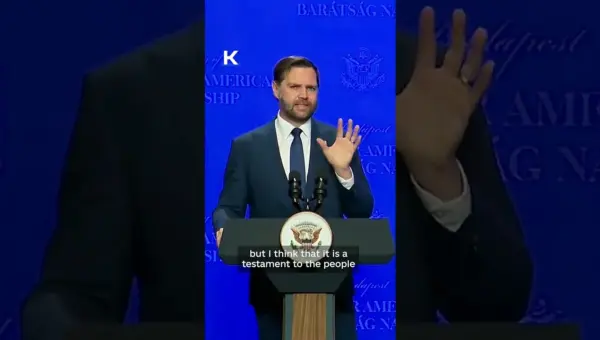
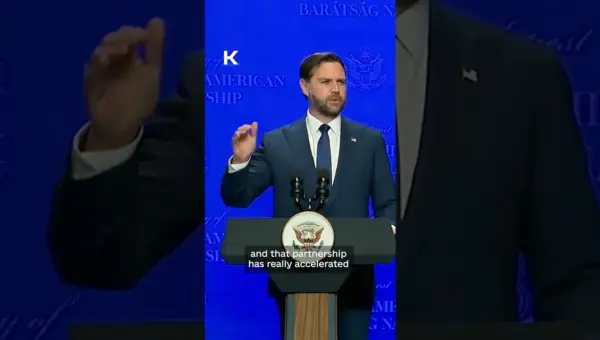
U.S. Senator J.D. Vance recently visited Budapest to publicly support Hungarian Prime Minister Viktor Orbán.
Vance, a key figure in American politics, met with Orbán just days before Hungarians head to the polls. This high-profile endorsement comes at a critical time for Orbán, who faces a strong challenge from within his own political sphere.
The visit highlights a growing connection between certain American political factions and Orbán’s government. Vance’s presence signals an alignment of interests, particularly concerning European Union policy and international relations. However, analysts suggest the timing and nature of this endorsement may not significantly sway the election’s outcome.
Orbán Faces Unexpected Challenge from Populist Rival
Prime Minister Viktor Orbán, who has led Hungary for 16 years, is facing a surprisingly strong challenge from Peter Magyar. Magyar is not a traditional opponent from the left; instead, he emerged from Orbán’s own Fidesz party. He has gained traction by traveling the country and connecting with everyday Hungarians, from small towns to rural villages.
Magyar’s rise has put Orbán on the defensive, despite the Prime Minister’s considerable control over media and the judiciary. This internal challenge suggests a potential shift in Hungarian leadership, even after years of Orbán’s firm grip on power. Many observers believe Hungary could see a new leader after the upcoming election.
Hungary’s Global Role and EU Influence
Hungary, despite its small size and economy, holds significant influence on the global stage. This influence stems largely from Prime Minister Orbán’s consistent opposition to unified European Union policies. He is known for his strong Euro-skeptic views, even while Hungary receives substantial funding from the EU.
Orbán has also maintained a close relationship with Russian President Vladimir Putin. He has actively worked to limit European support for Ukraine during its ongoing conflict. This stance often puts Hungary at odds with its EU partners and the United States.
US Interest in a Divided Europe
The United States, particularly under a potential Trump administration, has shown interest in a weaker, more divided European Union. A cohesive EU can act as a significant counterweight to U.S. foreign policy decisions. Supporting leaders like Orbán, who challenge EU unity, aligns with this strategic interest.
Senator Vance’s public backing of Orbán is seen as an effort to influence the Hungarian election. However, the effectiveness of this intervention is questioned, especially given Orbán’s strong domestic position and Magyar’s growing popularity. The endorsement may have limited impact on the final vote.
NATO Secretary General Visits White House
In related international news, NATO Secretary General Jens Stoltenberg is scheduled to meet with U.S. officials at the White House. Stoltenberg, a former Prime Minister of the Netherlands, is widely respected in Europe. He often acts as a bridge between European allies and the U.S. President.
The meeting comes at a time of significant strain within the NATO alliance. Issues such as U.S. support for Ukraine, trade disputes, and past presidential rhetoric have created friction. Stoltenberg’s visit aims to strengthen transatlantic ties amidst these challenges.
Transatlantic Relations Under Strain
Recent years have seen a noticeable weakening of relationships among NATO member countries. Disagreements over financial contributions, differing approaches to international crises, and trade policies have created divisions. The U.S. pullback on aid to Ukraine has particularly concerned European allies.
Past U.S. policies, such as imposing tariffs on European goods, have also damaged trade relationships. The current environment within NATO is described by some analysts as its most dysfunctional period. Stoltenberg faces a difficult task in navigating these complex relationships and fostering cooperation.
Looking Ahead
The upcoming Hungarian election will be closely watched for its impact on European politics and international alliances. The outcome could signal shifts in Hungary’s relationship with the EU and Russia. The ongoing discussions between NATO and the U.S. will also be crucial for the alliance’s future stability and effectiveness in a changing global landscape.
Source: VP Vance campaigns for Hungarian PM Orbán in Budapest (YouTube)

Related Articles
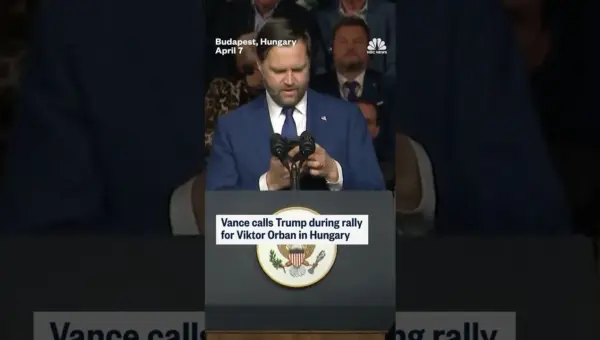
Vance Connects with Trump at Hungary Rally for Orban
U.S. Senator J.D. Vance connected with former President Donald Trump during a rally in Hungary supporting Prime Minister Viktor Orban. Vance spoke at the conservative conference, highlighting shared views on national identity and border security. Trump's public acknowledgment during the call signaled a potential alliance between his movement and Orban's government.
Trump, Orban Push for Ukraine Peace Talks
Former President Donald Trump and Hungarian Prime Minister Viktor Orbán are reportedly leading diplomatic efforts to end the war in Ukraine. Their strategy focuses on direct talks to understand the needs of both Russia and Ukraine. This approach contrasts with current Western military aid strategies.
US Envoy Praises Hungary’s Orban
A U.S. envoy has publicly endorsed Hungarian Prime Minister Viktor Orban, praising his leadership and calling for the defense of Western civilization. The visit highlights strong economic ties and a shared moral vision between the two nations. This support could significantly impact Hungary's upcoming election and its role in Europe.