Supreme Court Clears Path to Dismiss Steve Bannon Contempt Case
The Supreme Court is clearing the way for the dismissal of Steve Bannon's contempt of Congress conviction. Bannon, a former Trump adviser, served jail time for defying a subpoena related to the January 6th investigation. This symbolic move would erase the conviction from his record.

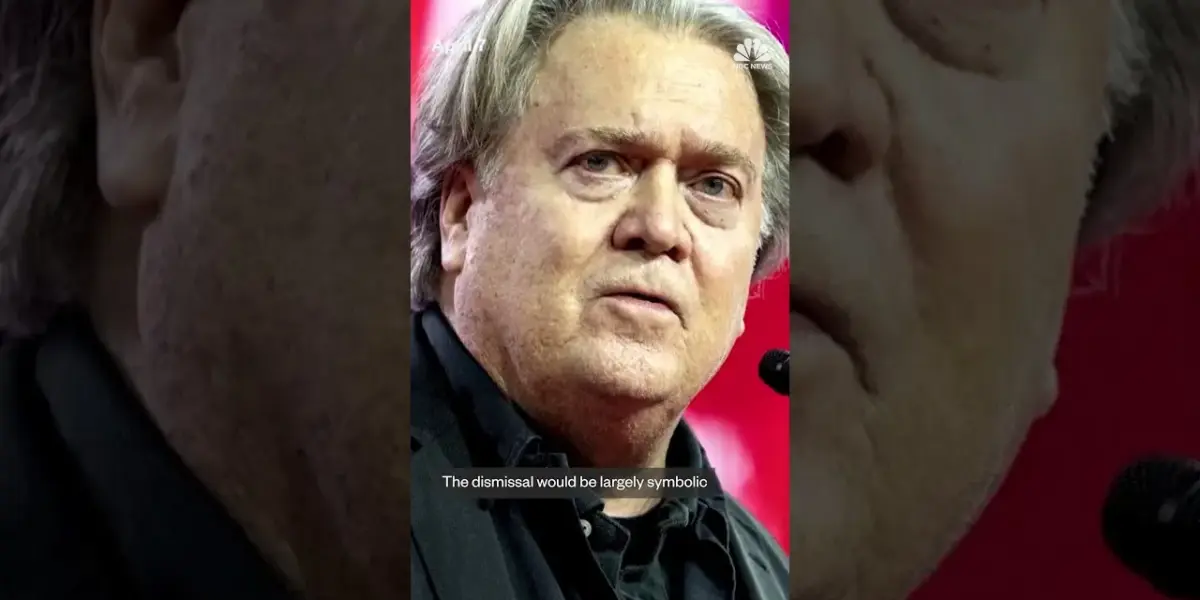
Supreme Court Action Could Erase Bannon’s Contempt Conviction
The Supreme Court has enabled the dismissal of the criminal case against Steve Bannon, a former adviser to President Trump. Bannon was previously convicted on two counts of contempt of Congress.
This action stems from his refusal to cooperate with a congressional subpoena related to the January 6th investigation. The potential dismissal would essentially wipe the conviction from Bannon’s official record.
Background of Bannon’s Contempt Charge
Steve Bannon’s legal troubles began when he defied a subpoena from the House Select Committee investigating the January 6th Capitol attack. The committee sought his testimony and documents relevant to the events leading up to and on that day.
Bannon argued that he was immune from the subpoena due to his previous role in the Trump administration. However, a jury found him guilty of two misdemeanor charges of contempt of Congress in 2022.
Following his conviction, Bannon was sentenced to four months in jail. He served time for his refusal to comply with the legislative body’s demand for information.
This conviction carried significant weight, representing a direct challenge to the oversight powers of Congress. The case highlighted the ongoing tension between executive privilege claims and congressional investigative authority.
Supreme Court’s Role in the Dismissal
The Supreme Court’s recent decision allows for a review of Bannon’s case, potentially leading to its dismissal. This development is largely seen as symbolic, as Bannon has already faced consequences for his actions.
The dismissal would remove the conviction from his criminal record, offering a clean slate. It follows a pattern of actions taken by the Trump administration regarding January 6th-related cases.
This move by the Supreme Court could set a precedent for how future cases involving defiance of congressional subpoenas are handled. It raises questions about the balance of power between the legislative and executive branches.
The court’s decision is not about Bannon’s guilt or innocence but rather about the legal pathway to resolving his case. This legal maneuver could influence how such disputes are adjudicated moving forward.
Broader Context: Pardons and January 6th Cases
The potential dismissal of Bannon’s case arrives in the context of broader actions taken regarding individuals involved in the January 6th events. President Trump previously issued pardons to individuals convicted or charged with crimes related to the Capitol attack.
More than a thousand such pardons were reportedly granted. These actions have been a subject of significant political and legal debate.
Bannon, a prominent figure in conservative media and a former White House chief strategist, has remained a vocal supporter of Trump. His legal battles have often been intertwined with the political landscape surrounding the former president.
The dismissal of his contempt conviction could be viewed as another step in resolving legal issues for allies of Trump. It adds another layer to the complex legal aftermath of the January 6th Capitol riot.
What to Watch Next
The legal process for dismissing Bannon’s contempt case is expected to continue. Further court filings and decisions will determine the final outcome.
Observers will be watching to see how this impacts other cases involving congressional subpoenas. The broader implications for congressional oversight powers remain a key area of interest for legal scholars and policymakers alike.
Source: Court clears way for Bannon's contempt case dismissal (YouTube)

Related Articles


Trump Claims Grocery Bills Dropped Dramatically
A former Trump official claims significant drops in grocery prices, notably an 80% decrease in egg costs. The administration reportedly prioritizes affordability while also supporting farmers, aiming for a dual benefit. This focus on food costs impacts household budgets and public economic perception.


Photo Captures King’s Death; Funding Cuts Threaten News
Fifty-eight years ago, Joseph Louw's photograph captured the world's attention, documenting Dr. Martin Luther King Jr.'s assassination. Today, similar journalistic endeavors may face challenges as the Trump administration proposes defunding public broadcasting and cutting DEI programs. These actions, alongside the controversial release of FBI surveillance files, raise significant questions about the future of news reporting and historical transparency.


Trump Team Ignites Global Policy Chaos
The Trump administration's foreign policy is marked by a disregard for experienced advisors and a reliance on loyalists. This approach risks repeating past mistakes and creating global instability. Allies are questioning U.S. reliability, while adversaries may see opportunities.