Photo Captures King’s Death; Funding Cuts Threaten News
Fifty-eight years ago, Joseph Louw's photograph captured the world's attention, documenting Dr. Martin Luther King Jr.'s assassination. Today, similar journalistic endeavors may face challenges as the Trump administration proposes defunding public broadcasting and cutting DEI programs. These actions, alongside the controversial release of FBI surveillance files, raise significant questions about the future of news reporting and historical transparency.


Photo Captures King’s Death; Funding Cuts Threaten News
Fifty-eight years ago, a South African immigrant named Joseph Louw heard a gunshot. He ran toward the sound at the Lorraine Motel, camera ready. Louw captured the image that showed the world the tragic death of Dr. Martin Luther King Jr.
Today, a different kind of threat looms over the kind of journalism Louw practiced. The Trump administration is proposing to cut funding for public broadcasting.
These cuts could impact the very news organizations that support in-depth reporting and historical preservation. This comes alongside efforts to reduce diversity, equity, and inclusion (DEI) programs and the release of FBI surveillance files concerning Dr. King’s family, actions met with significant objections.
The Iconic Photograph
Joseph Louw’s photograph is one of the most powerful and enduring images of the 20th century. It freezes the moment of Dr. King’s assassination on April 4, 1968, outside his motel room in Memphis, Tennessee. The image shows Dr. King lying on the balcony, a scene of profound shock and sorrow that quickly spread across the globe.
Louw, a freelance photographer, was not affiliated with any major news outlet at the time of the event. He was in Memphis covering a story and happened to be near the Lorraine Motel when the fatal shot rang out. His quick action and presence of mind resulted in a photograph that became a cornerstone of historical record.
The Role of Public Broadcasting
Public broadcasting, such as that supported by the proposed funding cuts, plays a key role in providing news and information to the public. Organizations like PBS and NPR, funded in part by federal grants, offer in-depth reporting, historical documentaries, and cultural programming that might not be commercially viable for private networks.
These outlets often serve as a platform for diverse voices and perspectives. They can provide context and historical background that helps the public understand complex issues.
The work of Joseph Louw, though captured independently, highlights the importance of having journalists present to document critical moments in history. Public broadcasting often supports the infrastructure and training that can enable such documentation.
Broader Implications of Funding Cuts
The potential defunding of public broadcasting raises concerns about the future of independent journalism. It could lead to fewer resources for investigative reporting and historical archives. This would make it harder for future journalists to document events with the same depth and impact as Louw’s photograph.
The proposed cuts to DEI programs signal a shift in focus for some government initiatives. These programs aim to promote fairness and opportunity across various sectors. Their reduction could have wide-ranging effects on representation and inclusion in public life and media.
Controversy Over FBI Surveillance Files
The decision to release FBI surveillance files related to Dr. King and his family has also sparked controversy. The FBI conducted extensive surveillance on Dr. King during the Civil Rights Movement. His family has consistently objected to the release of certain documents, citing privacy concerns and the potential for misinterpretation or misuse of sensitive information.
The release of these files, even after decades, touches on sensitive historical issues. It raises questions about government overreach and the privacy of individuals, even those engaged in significant public service. The family’s objections highlight the personal impact such releases can have.
Looking Ahead
The events surrounding Joseph Louw’s photograph and the current policy discussions highlight a critical juncture for public service media and historical transparency. The decisions made regarding public broadcasting funding and the handling of sensitive historical records will shape how future generations understand key moments in American history.
As these policy debates continue, the legacy of figures like Dr. Martin Luther King Jr. and the journalists who documented his life and death remain a powerful reminder of the importance of a free and well-supported press. The public will be watching to see how these funding decisions and data releases unfold.
Source: He said he wasn't afraid to die. The next evening, he did. (YouTube)

Related Articles


Trump Team Ignites Global Policy Chaos
The Trump administration's foreign policy is marked by a disregard for experienced advisors and a reliance on loyalists. This approach risks repeating past mistakes and creating global instability. Allies are questioning U.S. reliability, while adversaries may see opportunities.

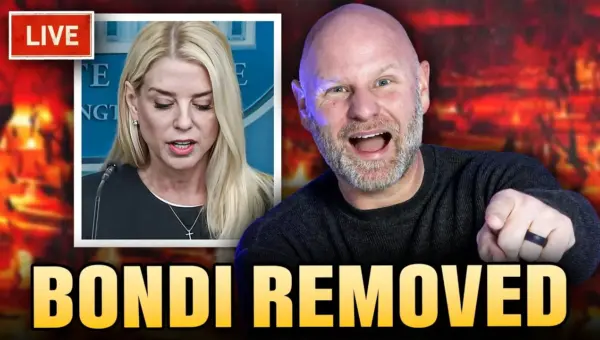
Trump’s Purge: Why He’s Firing Women and What It Means
President Trump's administration is experiencing significant staff turnover, with Pam Bondi and potentially Tulsi Gabbard among those reportedly facing dismissal. This pattern suggests a focus on loyalty and results, often leading to the rapid departure of officials who don't align with Trump's directives. The broader implications extend beyond personnel changes, touching on policy decisions like detention centers and the potential for public attention to be diverted from critical issues.


Trump Surprises Leavitt With White House Press Secretary Offer
Former White House Press Secretary Kayleigh McEnany revealed the surprisingly casual way she learned she would be appointed to the role. Then-President-elect Donald Trump offered her the position during a routine phone call about a week after the 2016 election. The offer was made in a matter-of-fact tone, devoid of any formal ceremony or grand pronouncements.