Trump’s Iran Deadline: A Risky Game of Threats
President Trump's administration announced a major escalation of strikes against Iran, calling it the largest volume since the operation began. This follows weeks of repeated deadlines and threats against Iran, which Iran has apparently dismissed as bluster.


Trump’s Iran Deadline: A Risky Game of Threats
President Trump’s administration announced a major escalation of strikes against Iran, directed by the president himself. This action is described as the largest volume of strikes since the operation began, with even more planned for the following day. The message to Iran was clear: choose wisely, as the president is serious about his intentions.
This move comes after weeks of what is described as Trump playing with deadlines concerning Iran. A final deadline was reportedly set, with threats to bomb bridges, desalination plants, and civilian infrastructure if a deal was not reached. These threats have been repeated multiple times over the past few weeks, with deadlines being extended and reset.
Iran, however, appears to have called Trump’s bluff, stating they do not care about the repeated threats. They have heard similar warnings before, citing previous threats made two weeks ago, then again about ten days ago, followed by a four-day deadline and then a two-day deadline. This pattern suggests a lack of seriousness from Iran’s perspective.
The commentary suggests that high-profile figures announcing these actions, like Pete Hegseth, are unlikely to change Iran’s stance. The description of Hegseth as having “slicked hair” and reciting a “ChatGPT poem” implies a criticism of the presentation and perhaps the substance of the announcements.
Why This Matters
The situation highlights a critical tension between aggressive diplomatic threats and the reality of international negotiation. When deadlines are repeatedly extended and threats are made public without immediate follow-through, the credibility of the issuing party can be undermined. This can lead to the other side becoming desensitized to the warnings, as Iran seems to have done.
Historical Context and Background
The United States and Iran have a long and complex history, marked by periods of intense hostility and strained diplomatic relations. Following the 1979 revolution, relations soured significantly, leading to decades of mistrust and occasional confrontation.
More recently, the Iran nuclear deal, officially known as the Joint Comprehensive Plan of Action (JCPOA), signed in 2015, aimed to curb Iran’s nuclear program in exchange for sanctions relief. However, the Trump administration withdrew from the deal in 2018, reimposing stringent sanctions, which Iran has consistently protested.
Implications, Trends, and Future Outlook
The current escalation of strikes and repeated, yet fluid, deadlines suggest a dangerous pattern of brinkmanship. This approach risks miscalculation, where threats might be misinterpreted or force an unwanted confrontation. The trend shows a reliance on aggressive public posturing, which may not be effective in achieving long-term diplomatic solutions with nations like Iran.
The future outlook depends on whether a genuine negotiation strategy or a continued cycle of threats and minor escalations will prevail. If Iran continues to dismiss the threats, further, more significant actions might be taken, potentially leading to a wider conflict. Conversely, a shift towards more consistent and credible diplomatic engagement could de-escalate tensions, but such a shift is not evident in the current approach.
The effectiveness of such tactics is questionable. The repeated threat of bombing civilian infrastructure, if not backed by decisive action or a clear path to negotiation, can be seen as bluster.
This can embolden adversaries and alienate allies who may prefer a more measured approach. The administration’s public statements suggest a desire to project strength, but the repeated extensions of deadlines may be projecting a different message to those observing the protracted negotiations.
The Iran Dilemma
Iran’s response, characterized by defiance and a dismissal of threats, points to a strategic calculation. They may believe that the U.S. is unwilling to engage in full-scale conflict or that the repeated threats are designed for domestic consumption. This perception can lead Iran to dig in its heels, making a negotiated settlement even harder to achieve.
The administration’s stated goal is to force Iran to reach a “deal.” However, the method of achieving this goal appears to be through intimidation and the threat of overwhelming force. This approach has a history of mixed results in international relations, often leading to prolonged standoffs rather than swift resolutions.
The upcoming days will be critical in determining the trajectory of this situation. The promised increase in strikes and Iran’s continued reaction will provide further insight into the effectiveness of the current strategy. The international community will be watching closely to see if this escalates into a more serious conflict or if a diplomatic breakthrough can still be found.
Source: Hegseth Announces Biggest Strike Yet as War Escalates #politics #fyp #new (YouTube)

Related Articles
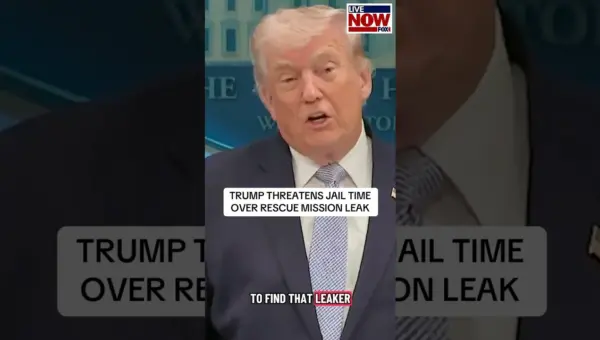
Trump Threatens Jail for Reporter Over Leaked Source
President Trump has threatened jail time for a reporter who published a story based on leaked information about a military operation. The leak reportedly revealed details about a pilot rescue mission, compromising national security and endangering personnel. The administration plans to pursue the source aggressively.
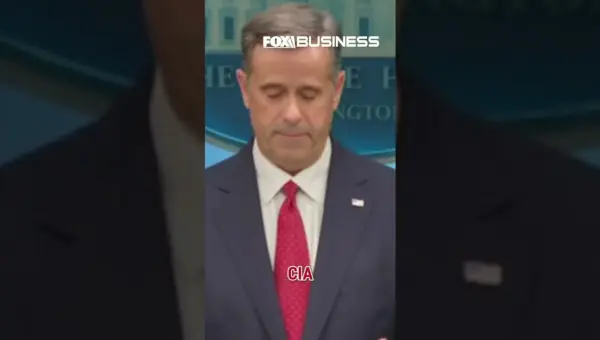
CIA Boasts Iran Humiliated by Audacious Airman Rescue
The CIA claims it executed a deception campaign that left Iran "embarrassed and humiliated" after successfully rescuing a U.S. airman. The mission involved locating the airman, confirming survival, and safely exfiltrating them under the noses of Iranian forces.
Trump Warns Iran: “Entire Country Can Be Taken Out”
Former President Donald Trump issued a strong warning to Iran, stating the entire country could be taken out in one night. The declaration followed the crash of an American F-15 jet in Iranian territory and the successful rescue of its crew. This geopolitical tension could influence market sentiment and specific industry sectors.