Russia’s Logistics Failures Hinder Frontline Supply
Russia's historical struggles with military logistics are hindering its ability to supply frontline troops, impacting combat effectiveness. Western forces, in contrast, have long prioritized and excelled in logistical operations, understanding their crucial role in winning wars.

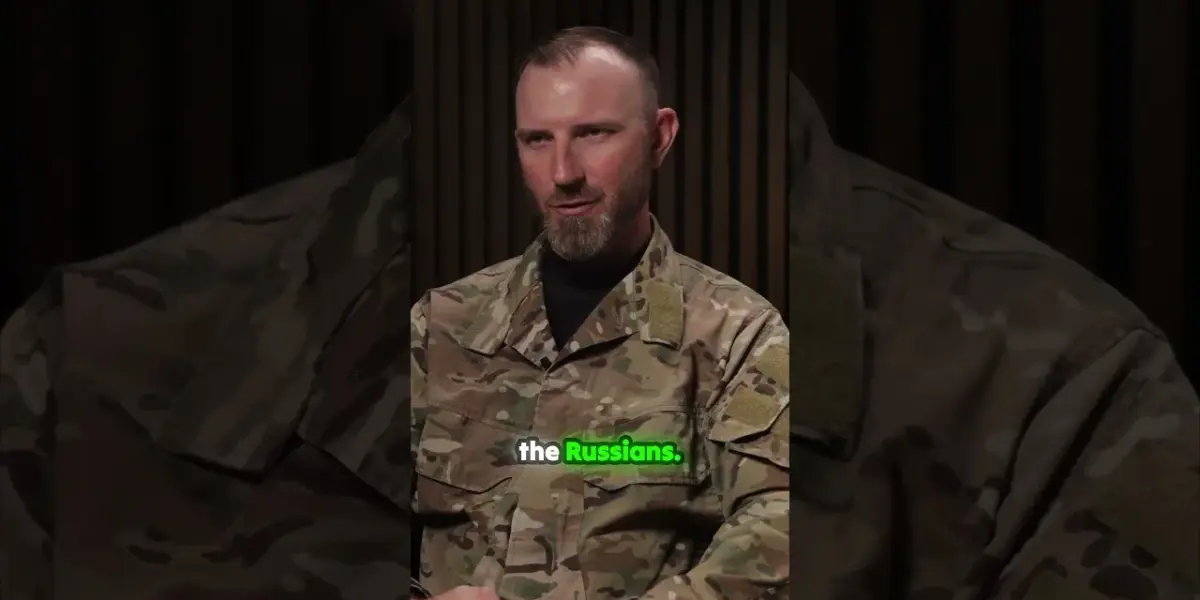
Russia’s Logistics Weakness Imperils Frontline Forces
Russia is facing significant challenges in supplying its troops on the front lines, a problem that appears more severe than on the Ukrainian side. This struggle with logistics, the complex system of moving and maintaining supplies, has been a recurring issue for Russian forces throughout history. It was notably evident in both World War I and World War II, where logistical shortcomings hampered their military effectiveness.
In contrast, Western military powers, including the United States and its allies, have historically excelled in logistics. They understand that while soldiers fight battles, wars are ultimately won through the efficient movement and distribution of essential resources like ammunition, food, and fuel. This understanding has been a cornerstone of Western military doctrine for a considerable time.
Historical Precedents of Logistical Struggles
The current difficulties echo past conflicts where Russia’s ability to sustain large-scale operations was undermined by its logistical capabilities. During World War I, inadequate transportation networks and supply chain management led to severe shortages for Russian soldiers, impacting their combat readiness and morale. Similarly, in World War II, despite massive industrial efforts, the Soviet Union often struggled to equip and supply its vast armies effectively, especially in the initial stages of the conflict and during large offensives.
These historical instances highlight a persistent vulnerability. They show that even with a large and determined fighting force, a military can falter if it cannot reliably deliver the necessary equipment and provisions to where they are needed most. This lesson is crucial for understanding the dynamics of modern warfare, where sustained operations depend heavily on sophisticated logistical networks.
The Importance of Logistics in Modern Warfare
Logistics is often called the “invisible engine” of war. It encompasses everything from planning supply routes and managing transportation fleets to maintaining equipment and ensuring troops have adequate food, water, and medical care. A breakdown in any part of this system can have catastrophic consequences for a military operation.
For example, if artillery units run out of shells, their ability to support advancing infantry is immediately neutralized. If fuel trucks cannot reach tanks, entire armored formations become immobile.
This is why Western militaries invest heavily in advanced logistics, using technology to track supplies, optimize delivery routes, and predict potential shortages. It is akin to a well-oiled machine; every part must function smoothly for the whole to operate effectively.
Strategic Implications
Russia’s current logistical problems directly impact its ability to conduct sustained offensive operations or even maintain its current defensive positions effectively. When supplies are scarce or delayed, frontline units may be forced to reduce firing rates, limit movement, or even withdraw from positions due to lack of ammunition or other critical resources.
This weakness can create opportunities for opposing forces. Ukrainian units, if better supplied, can exploit gaps in Russian defenses caused by logistical failures.
They might be able to launch targeted counterattacks or hold their ground more effectively against an enemy that cannot replenish its dwindling resources. The ability to out-logistics an opponent is a significant strategic advantage.
The conflict has demonstrated that technological superiority or numerical advantage can be negated by poor logistical support. Russia’s historical issues with logistics suggest that these are deeply ingrained challenges that are difficult to overcome quickly, even with significant national resources. The West’s focus on logistics, therefore, represents a key difference in military philosophy and capability.
The ongoing situation emphasizes that the success of military campaigns hinges not just on the bravery of soldiers or the power of weapons, but critically on the effectiveness of the systems that support them. This principle will likely continue to shape the battlefield dynamics as the conflict progresses.
Source: ⚡️Why Russia is Failing: The Critical Role of Logistics in War (YouTube)

Related Articles

Russia Strikes Energy Grid After Easter Truce Offer
Russia launched a significant drone offensive across Ukraine, targeting energy infrastructure shortly after Kyiv proposed an Easter ceasefire. Ukrainian air defenses reported shooting down over 700 drones, with a 90% success rate, but hits still occurred in multiple regions. The strikes are seen as a direct response to Ukraine's peace initiative.

Ukraine’s ‘Baba Yaga’ Drones Strike Deep Russian Lines
Ukraine's Skyian Griffins are deploying heavy 'Baba Yaga' bomber drones equipped with 'Spear' munitions to strike Russian positions. This tactic adapts historical bunker-busting principles for modern drone warfare, aiming to degrade enemy strongholds and disrupt supply lines.

Russia Unleashes Drone Barrage, Hits Ukrainian Cities
Russia launched a massive drone attack across Ukraine, hitting cities and injuring civilians. Nearly 400 drones were deployed in a daylight strike that damaged an apartment building in Lviv. This escalation highlights the growing role of drone warfare in the conflict.