Pam Bondi Subpoena Stands: Garcia Confirms Legal Duty to Testify
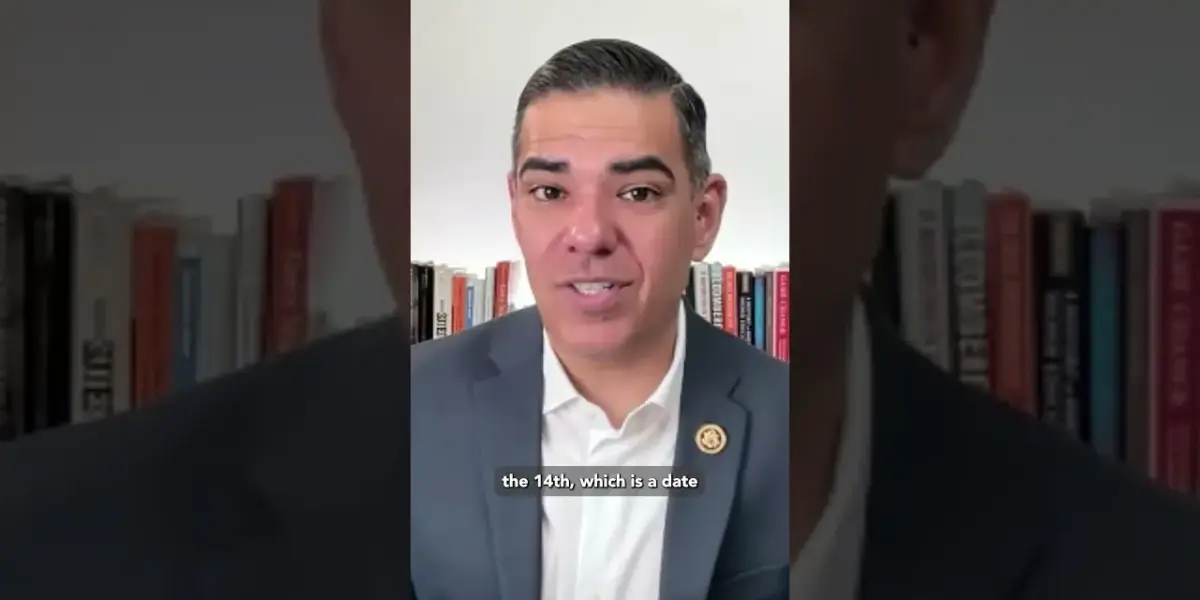
Representative Robert Garcia confirmed that a subpoena for former Florida AG Pam Bondi to testify before the House Oversight Committee on April 14th remains valid. Garcia stated the subpoena does not depend on her current employment status and emphasized the legal requirement to appear. The committee seeks her testimony regarding document releases and potential cover-ups.

Pam Bondi Subpoena Stands: Garcia Confirms Legal Duty to Testify
A recent statement from Representative Robert Garcia has clarified a key point regarding the House Oversight Committee’s investigation. Garcia confirmed that a subpoena issued to former Florida Attorney General Pam Bondi remains valid, even though she is no longer in her official position. This means Bondi is legally required to appear for a deposition on April 14th to answer questions from the committee.
Garcia emphasized that the subpoena itself does not specify any conditions related to Bondi’s employment status. The legal obligation to testify stands regardless of whether she is currently serving as Attorney General.
The committee has consulted with legal experts to ensure the subpoena’s enforceability. This legal backing means Bondi must now comply with the request for her testimony.
The Investigation’s Focus
The House Oversight Committee is looking into a range of issues, and Pam Bondi’s testimony is considered crucial. A significant concern is the release of documents, with reports suggesting that half of the relevant files have not yet been made public. The committee wants to understand the reasons behind this delay and any potential cover-up.
Garcia expressed a desire for Bondi to be truthful about the events under investigation. He noted that since she no longer works for former President Donald Trump, she might feel less pressure to withhold information. This suggests a hope that her testimony could finally bring clarity to the situation.
Legal Precedent and Subpoenas
The enforceability of subpoenas for former officials is a well-established legal principle. When a subpoena is issued, it compels a person to appear and provide testimony or evidence relevant to an investigation.
This obligation is generally not erased by a change in employment status. The legal system recognizes that individuals may possess knowledge or have been involved in actions that occurred while they held public office, and their subsequent departure does not absolve them of the duty to cooperate with lawful investigations.
Think of it like a witness being called to court. If a witness is subpoenaed to testify about something that happened when they were working at a company, and then they leave that company, they still have to go to court. The subpoena is about the information they have, not their current job.
Why This Matters
This situation highlights the power and limitations of congressional subpoenas. They are essential tools for oversight, allowing lawmakers to gather information and hold individuals accountable. However, their effectiveness relies on compliance and the ability to enforce them, even when individuals are no longer in positions of power.
The committee’s pursuit of Bondi’s testimony signals a commitment to uncovering the full truth. It also suggests that officials, whether current or former, cannot simply evade scrutiny by changing their job titles. The public has a right to understand the actions of those in power, especially when significant amounts of information remain undisclosed.
Implications and Future Outlook
The outcome of Pam Bondi’s deposition could have broader implications for how congressional investigations are conducted. If she complies and provides significant information, it could encourage other individuals to cooperate with future subpoenas, knowing that legal obligations persist. Conversely, if she resists or provides unhelpful testimony, it might lead to further legal battles and potentially weaken the committee’s investigative authority.
The delay in releasing files is a common tactic that can obscure facts or allow narratives to change. The committee’s focus on this aspect suggests a pattern of behavior they are trying to expose. Understanding why certain information is withheld is often as important as the information itself.
Historical Context
Congressional investigations have a long history in the United States, dating back to the early days of the republic. Committees have used subpoenas to gather information on everything from financial dealings to national security matters. Landmark cases have affirmed Congress’s broad investigatory powers, including its ability to compel testimony from individuals, regardless of their current status.
For instance, during the Watergate scandal, many individuals who had left government service were still compelled to testify before congressional committees. These investigations demonstrate that a change in employment does not nullify a legal duty to account for past actions or knowledge relevant to official inquiries.
The current situation with Pam Bondi is part of this ongoing tradition of congressional oversight. The committee is using its established powers to seek clarity on matters of public interest. The focus on document release and potential cover-ups is a recurring theme in many investigations where transparency is a key concern.
The committee’s insistence on Bondi’s testimony highlights the principle that accountability extends beyond one’s tenure in office. It reinforces the idea that public servants are expected to be forthcoming about their actions while in public trust. The expectation is that legal processes will be followed, and information will be shared when legally required.
The April 14th deposition date is set, and all eyes will be on whether Pam Bondi appears and what she reveals. The committee’s legal team has confirmed the subpoena’s validity, setting the stage for a potentially significant moment in the ongoing investigation.
Source: Rep. Garcia: "Pam Bondi's subpoena DOES APPLY" (YouTube)

Related Articles


Trump Fires AG Pam Bondi, Cites ‘Private Sector’ Move
President Donald Trump announced that Attorney General Pam Bondi is leaving her post to pursue a new role in the private sector. The departure follows a reported heated confrontation and comes amid scrutiny over her handling of the Jeffrey Epstein files. Bondi's deputy, Todd Blanch, will serve as acting Attorney General.

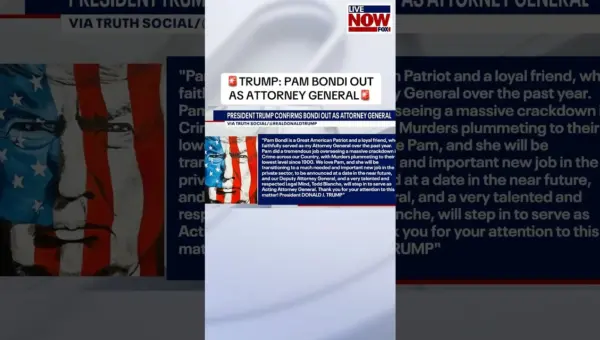
Trump Replaces AG Pam Bondi, Names New Acting Attorney General
Former President Donald Trump announced Thursday that Pam Bondi is no longer serving as his Attorney General, stating she is moving to a new private sector role. Trump praised Bondi's service on Truth Social, crediting her with overseeing a significant drop in crime. Todd Blanch has been appointed as the acting Attorney General.


Trump Fires AG Pam Bondi Over Failed Cases, Epstein Files
President Trump has fired Attorney General Pam Bondi due to her performance, particularly her failure to prosecute Trump's political enemies and her handling of the Epstein files. The House Oversight Committee has vowed to hold Bondi accountable, while potential replacements are being considered. The Epstein case and the judicial system's role are central to the ongoing scrutiny.