German Factories Hit Hard by Iran War’s Economic Shockwaves
German manufacturers are bracing for significant economic fallout from the Iran war, with 90% expressing concern. Rising energy costs, disrupted supply chains, and shrinking export demand are already impacting businesses. Economic forecasts for Germany have been cut, and inflation is at a two-year high, highlighting the global reach of the conflict's economic consequences.

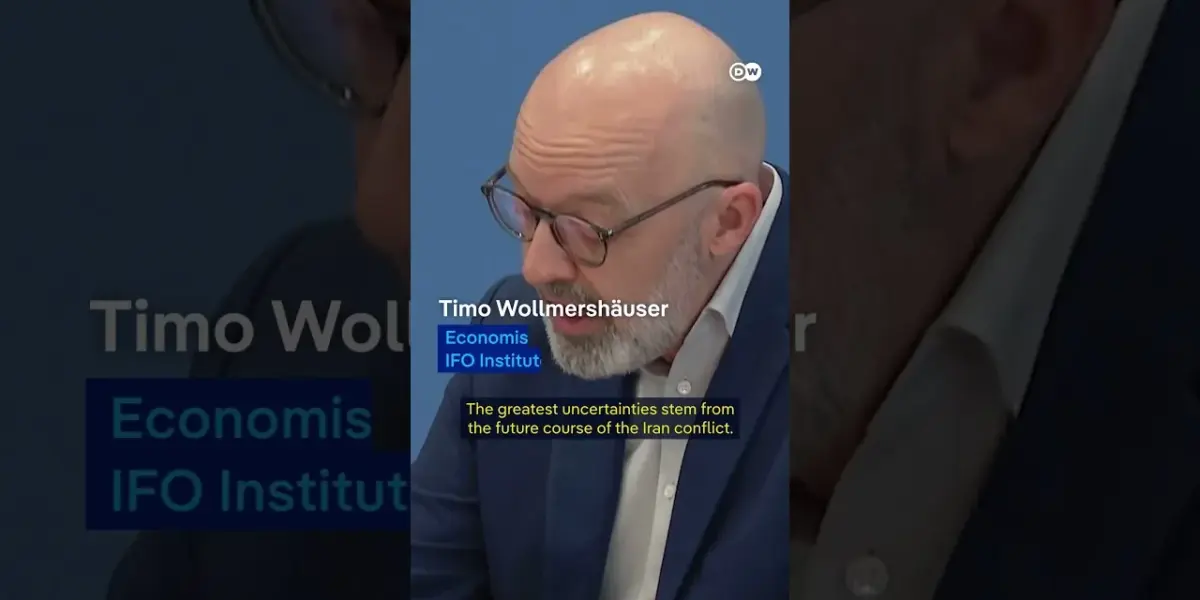
German Manufacturers Sound Alarm Over Iran War’s Economic Impact
German businesses are facing significant economic challenges due to the ongoing conflict involving Iran, according to recent reports. The war has triggered widespread disruptions in global oil and gas supplies, leading to a sharp increase in energy costs. These rising prices are particularly burdensome for energy-importing nations like Germany, where manufacturing is a cornerstone of the economy.
Global Supply Chains Feel the Squeeze
The International Energy Agency has described the current situation as the largest supply disruption ever seen in the global oil market. The conflict has not only driven up energy costs but also caused supply chains to fracture. This has led to a noticeable slowdown in economic growth worldwide.
A key choke point is the Strait of Hormuz, which is crucial for global trade. Blockages there have severely disrupted fertilizer supplies.
Since January, fertilizer prices have jumped by 30% to 40%. This increase directly impacts agricultural output and food prices globally.
Poorer Nations and Germany Bear the Brunt
While the economic effects are global, they are not felt equally. Poorer countries are suffering the most.
The rise in food and energy prices disproportionately affects developing economies. Production-heavy economies like Germany are also under immense pressure.
Manufacturers in Germany are voicing serious concerns. A recent survey conducted by the Institute for Economic Research in Munich highlighted the widespread worry.
When asked if they were concerned about the Iran war’s impact, nearly 90% of German manufacturers responded affirmatively. Many are already experiencing the negative effects firsthand.
Survey Reveals Widespread Business Concerns
The survey results paint a stark picture of the current economic climate for German industry. A significant 78% of businesses reported already dealing with rising energy prices. 36% are struggling with blocked shipping routes and shortages of essential raw materials. Looking ahead, 24% of these businesses anticipate a decrease in demand for their exports.
The financial aspects of manufacturing are also under strain. Companies are worried about increased financial risks.
This includes higher insurance premiums and unpredictable freight costs. The entire financial system supporting manufacturing operations is feeling the stress of the current global instability.
Economic Forecasts Diminish Amidst Uncertainty
Germany’s leading economic institutes have downgraded their growth forecast for the year. They now predict a growth rate of only 0.6%, which is less than half of what was projected last year. This revision reflects the growing uncertainty and the tangible impact of global events on the German economy.
Inflation in Germany reached 2.7% in March, marking the highest level in two years. The Deutsche Bundesbank, Germany’s central bank, has warned that inflation could climb even higher. This persistent inflation erodes purchasing power and adds to the cost pressures faced by both consumers and businesses.
Global Economic Outlook Remains Fragile
Globally, economic experts still anticipate a growth rate close to 3% for the current year. However, inflation across the G20 nations is projected to reach 4%. This indicates that while growth may continue, the rising cost of living will remain a significant challenge for many countries.
The conflict’s economic consequences are far-reaching, even if the fighting is geographically contained. The interconnected nature of the global economy means that instability in one region can quickly ripple outwards, affecting markets, industries, and consumers worldwide. Businesses must prepare for continued volatility and adapt their strategies to navigate these challenging times.
What to Watch Next
As the situation in the Middle East continues to evolve, businesses and policymakers will be closely monitoring energy markets and supply chain stability. The effectiveness of government measures to cushion the economic blow and support struggling industries will be crucial in the coming months. German manufacturers will be looking for signs of easing tensions and stabilization in global trade routes to regain confidence and plan for future growth.
Source: German businesses brace for economic fallout from Iran war | DW News (YouTube)

Related Articles


Maddow Sees Trump Base Doubts Grow on Iran War
Rachel Maddow notes growing doubt within Donald Trump's base regarding a potential Iran war. The "MS NOW" discussion questions Trump's grip on reality and highlights the importance of public agency. This analysis comes amid ongoing Middle East tensions and public protests.


Trump’s Iran Speech: Key Exit Strategy Missing, Analysts Say
President Donald Trump addressed the nation on the Iran conflict, claiming military success and nearing completion of operations. However, critics noted a significant lack of detail regarding the U.S. exit strategy and the potential for a ground invasion.
Trump Eyes 2-3 More Weeks for Iran War
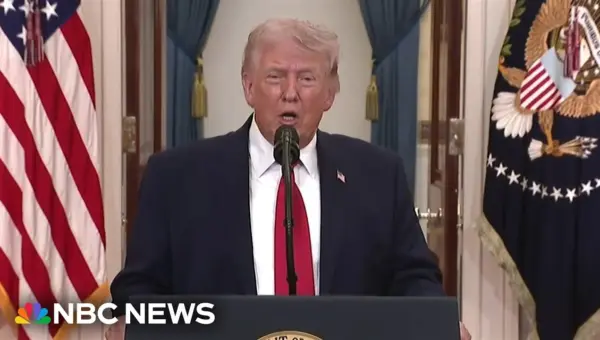
President Trump indicated that the military conflict with Iran could conclude in the next two to three weeks, during a prime-time address. The speech primarily recapped existing administration statements, with no major new announcements. Trump also addressed the economic impact of the war on U.S. gas prices and reiterated calls for allies to assist with the Strait of Hormuz.