Caller Warns “State of Union Not Good,” Cites Economic Woes, Trump Comparisons
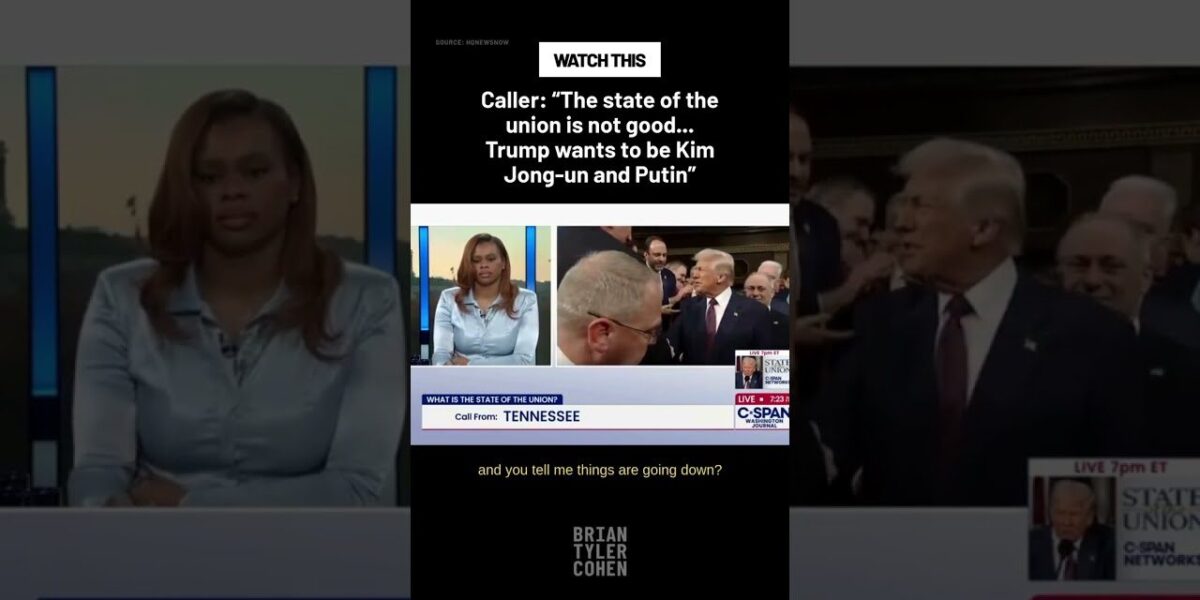
A caller expressed deep concerns about the "state of the union," citing rising costs at the grocery store and comparing Donald Trump to authoritarian leaders Kim Jong-un and Putin. The remarks highlight economic anxieties and critiques of political leadership styles.

Concerns Mount Over Economic Health and Political Leadership
A recent caller to a broadcast program expressed significant apprehension regarding the current state of the union, citing rising costs at the grocery store and drawing pointed comparisons between former President Donald Trump and international autocratic leaders. The caller, whose identity was not disclosed, articulated a sentiment of economic distress, stating, “I go to the store, coffee don’t run up to $20 and you tell me things are going down. No, they’re not.” This observation directly challenges optimistic economic narratives, suggesting that everyday citizens are experiencing tangible financial pressures that contradict official pronouncements.
Economic Disconnect: The Price of Coffee as a Barometer
The specific mention of coffee prices, while perhaps anecdotal, serves as a potent symbol for the broader issue of inflation and the rising cost of living. For many, daily rituals like purchasing a morning coffee represent a small but consistent expenditure. When such costs escalate dramatically, it signals a more significant economic downturn or inflationary period that impacts household budgets. The caller’s rhetorical question, “and you tell me things are going down. No, they’re not,” highlights a perceived disconnect between the lived experiences of ordinary Americans and the economic data or political messaging presented by authorities. This sentiment suggests a growing distrust in official narratives when they do not align with personal financial realities.
Trump’s Ambitions: A Comparison to Authoritarian Leaders
Beyond economic concerns, the caller introduced a striking political critique, asserting that former President Donald Trump “wants to beat Kim Jong-un so bad and Putin he don’t know what to do with himself.” This comparison is highly charged, drawing parallels between Trump and the leaders of North Korea and Russia, both characterized by authoritarian rule, cults of personality, and aggressive foreign policy stances. The implication is that Trump harbors ambitions that transcend democratic norms, aspiring to a level of power and control akin to that exercised by Kim Jong-un and Vladimir Putin.
The Specter of Authoritarianism in American Politics
The comparison to Kim Jong-un and Putin is particularly significant in the context of American political discourse. Both leaders are widely viewed internationally as autocrats who suppress dissent, consolidate power, and operate with little regard for democratic institutions or human rights. By suggesting Trump wishes to emulate them, the caller invokes fears of democratic backsliding and the erosion of American political traditions. This rhetoric taps into existing anxieties about the potential for strongman politics to take root in the United States, especially following Trump’s presidency, which was often marked by challenges to established norms and institutions.
Emotional Outbursts and Leadership Style
The caller’s description of Trump as someone who “just cried cry cried” adds another layer to the critique, suggesting a perceived lack of emotional control or a tendency towards dramatic, perhaps performative, displays of emotion. While the context for these alleged “cries” is not provided, the statement serves to paint a picture of a leader who is perhaps volatile or easily overwhelmed, further contrasting with the image of a stable, decisive leader. This characterization, combined with the authoritarian comparisons, paints a complex and critical portrait of Trump’s perceived leadership style and political aspirations.
Broader Implications and Public Sentiment
The sentiments expressed by this caller are indicative of a broader public sentiment characterized by economic anxiety and political polarization. The rising cost of living remains a primary concern for many households, influencing their views on the economy and the effectiveness of current leadership. Simultaneously, the political landscape is deeply divided, with strong opinions regarding figures like Donald Trump. Critiques that frame political figures in stark, often negative, terms are common in contemporary discourse, reflecting the intense ideological battles being waged.
The caller’s perspective, though from a single voice, raises important questions about how economic realities are communicated and perceived, and how political figures are compared and contrasted in the public imagination. The juxtaposition of everyday economic struggles with high-stakes political comparisons underscores the multifaceted nature of public concern. As the nation navigates economic headwinds and ongoing political debates, voices like these offer a glimpse into the anxieties and perceptions shaping the current moment.
Looking Ahead: Economic Indicators and Political Narratives
Moving forward, attention will remain focused on key economic indicators, including inflation rates, employment figures, and consumer spending, to gauge the true health of the U.S. economy. Concurrently, the political discourse surrounding figures like Donald Trump will continue to shape public opinion and influence electoral outcomes. The interplay between economic performance and political narratives will be crucial in understanding the evolving state of the union and the concerns of its citizens.
Source: Caller: “The state of the union is not good… Trump wants to be Kim Jong-un and Putin” (YouTube)

Related Articles
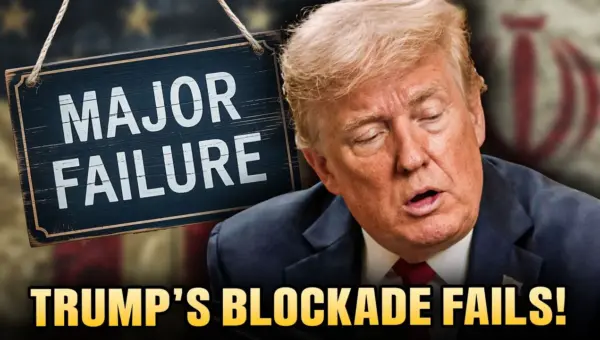
Trump’s Blockade Fails, Allies Shun Mission: A Pattern?
A reported failure of Donald Trump's blockade of the Strait of Hormuz, with ships passing through unimpeded, raises questions about policy effectiveness. This incident, coupled with allies' reluctance to join the mission, suggests a pattern of unintended consequences and strained international relations.
Trump’s Wild Claims Fuel GOP Chaos and Public Doubt
Donald Trump's recent erratic statements and Republican figures' defense strategies are causing political turmoil. Concerns over economic misrepresentation and the handling of the Jeffrey Epstein case are mounting, leading to a public demanding more accountability and truth.
Trump’s Allies Stumble, Exposing MAGA Movement’s Weaknesses
Recent events reveal cracks in the MAGA movement, from JD Vance's failed support for Viktor Orban in Hungary to disappointing Turn Point USA rallies. Trump's attacks on Pope Leo also alienate allies and expose strategic missteps. These challenges suggest a weakening of the movement's influence.