Sudan Crisis: Donors Pledge $1.5 Billion, Still Short of Needs
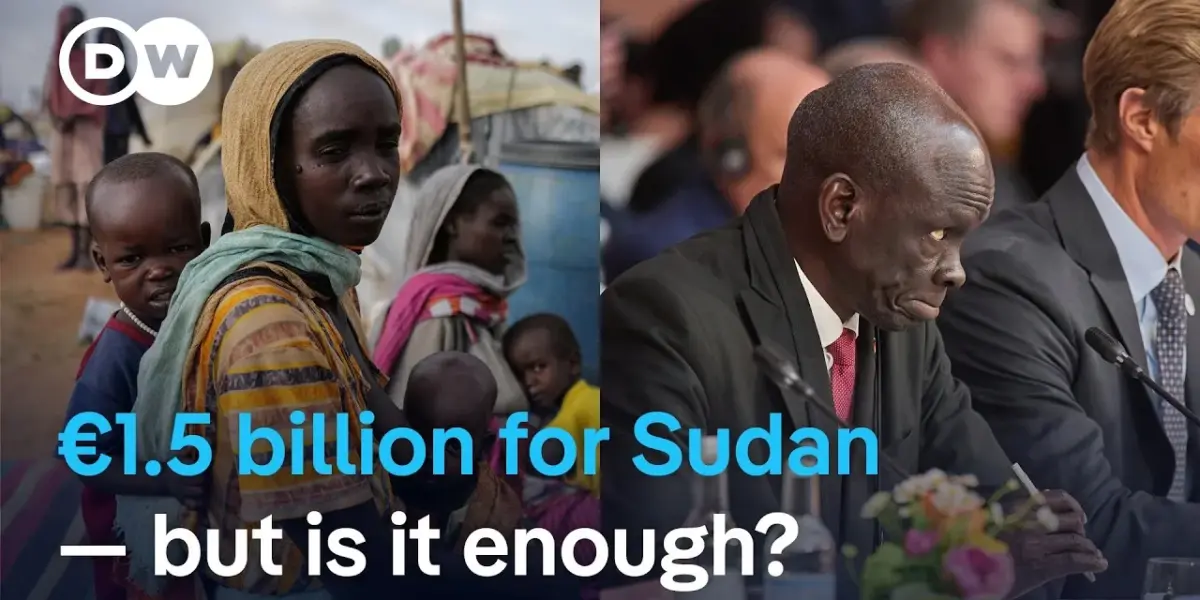
Donors at an international conference in Berlin pledged 1.5 billion euros for Sudan, but this amount falls significantly short of the 2.5 billion euros needed. The country faces the world's most severe humanitarian crisis, with millions starving and displaced due to an ongoing civil war.

Berlin Conference Raises $1.5 Billion for Sudan Amidst Severe Crisis
Berlin, Germany – An international conference held in Berlin today saw donors pledge approximately 1.5 billion euros to address the escalating humanitarian crisis in Sudan. Despite significant contributions from over 50 countries, the amount falls short of the estimated 2.5 billion euros that aid agencies say is urgently needed to support millions of people. The conflict, now in its fourth year, has devastated the nation, leading to widespread displacement and extreme poverty.
World’s Most Severe Humanitarian Crisis Unfolding
The United Nations has labeled Sudan’s situation as the world’s most severe humanitarian crisis. A recent UN report indicates that nearly two-thirds of Sudan’s population requires immediate assistance. The ongoing civil war, which began in April 2023 between the Sudanese army and the paramilitary Rapid Support Forces, has resulted in over 150,000 deaths and displaced more than 11 million people. Poverty levels have reached their most extreme point since the 1980s, with millions facing the constant threat of famine. Aid organizations report that the lack of food is so severe that children often go without meals, and the only support available in many areas comes from the United Nations.
Key Pledges and Shortfall
The conference aimed to raise funds to provide aid for 14 million people. Several nations made substantial commitments. Germany pledged 212 million euros, Norway committed 42 million euros, and the United Kingdom announced 146 million pounds, which converts to over 165 million euros. The UK also promised to double its support for local aid groups, including emergency response teams and women-led organizations. However, these pledges, while significant, did not meet the overall target set by the UN.
Call for Peace and Ceasefire
Foreign ministers and delegates at the conference urged the warring parties to cease hostilities and engage in peace negotiations. The United Nations is specifically calling for a humanitarian ceasefire to allow aid to reach those in desperate need. Ministers emphasized that there is an alternative to war and that a commitment to negotiation is essential for Sudan’s future. The absence of leaders from the warring factions at the conference presented a significant challenge to achieving immediate breakthroughs.
“The German foreign minister calls the crisis apocalyptic. He promises to put pressure on the wartime enemies and pressure on the players that are still delivering weapons.”
Urgent Needs and Funding Gaps
Arjumand Hussein, Director for the Sudan Crisis at Plan International, highlighted the critical funding gap. He stated that in 2023, Sudan received only about 35% of the funding needed for humanitarian aid, and in 2024, this figure dropped to a mere 16%. This severe underfunding means that essential services are collapsing. Emergency response rooms, run by local volunteers providing community kitchens, have had to close down due to a lack of funds. Healthcare facilities are also shutting their doors, leaving people without access to basic food and critical medical care. Hussein described a dire situation in remote areas of North Darfur and the Kordofan region, where five to seven out of every ten children are starving.
Impact on Children and Education
The conflict has had a devastating impact on children. The UN reports that at least 8 million children have been out of school for the past three years. This prolonged absence from education risks an entire generation being lost. The lack of funding not only affects immediate survival needs but also hinders efforts to provide even basic transitional education for children caught in the conflict zones.
International Attention and Advocacy
Despite the severity of the crisis, Sudan’s plight has often been overshadowed by other global conflicts, such as those in Ukraine and the Middle East. Delegates at the Berlin conference hoped that the event would serve as a wake-up call, drawing renewed attention to the ongoing suffering in Sudan. There are calls for an extension of the arms embargo to the entire territory of Sudan to help curb the flow of weapons fueling the conflict. Sudanese civil society organizations present at the conference shared their visions for a peaceful future and emphasized the importance of their voices being heard by the international community.
Path to Peace and Future Outlook
While the challenges are immense, initiatives like the Berlin conference offer a glimmer of hope. The participation of multiple governments and civil society actors is seen as a positive step. Plan International’s Arjumand Hussein stressed that the funding required for Sudan’s humanitarian needs is achievable, estimating it at around 1 billion US dollars. Increased international commitment, he believes, can save more lives. The success of future aid efforts will depend on sustained international attention, increased funding, and ultimately, a lasting peace agreement to end the devastating conflict.
Source: Sudan humanitarian crisis: Berlin hosts international donor conference | DW News (YouTube)

Related Articles


World Rejects Trump’s ‘Peace’ Amid UN Boos and NATO Doubts
A UN ambassador faced boos at a Model UN event, highlighting global disapproval of Trump's foreign policy. Allies express doubts about US leadership, weakening NATO, while domestic polls show low approval on key issues like inflation and the economy.


Trump Signals Shift on Cuba Oil, Citing Humanitarian Aid
Former President Donald Trump stated he would approve oil deliveries to Cuba, even from Russian tankers, to help the Cuban people. This signals a potential shift from past U.S. policies that restricted such shipments, prioritizing humanitarian aid over economic pressure.

Kenya Drought Worsens as Aid Dwindles, Families Struggle
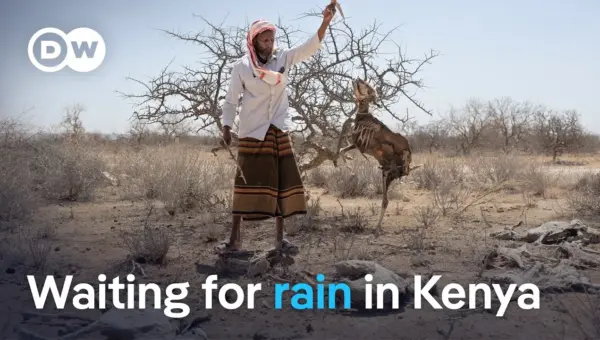
Northern Kenya is experiencing a severe drought, leaving millions without reliable food and water. Families like Sophia Aluadan's are struggling as pastures dry up and livestock die. International aid to the region has significantly decreased, compounding the crisis and leaving communities to face a grim outlook.